

Description
There, too, in the main square, stood a church, mostly enclosed by an ancient cemetery. This cemetery, in turn, was surrounded by a high wall, which only a few boys had managed to climb, and even K hadn’t succeeded. Curiosity hadn’t driven them; the cemetery held no secrets for them. They had entered it several times before through its iron gate, but they sought to conquer it from atop the high, smooth wall. One day before noon—the still, empty square bathed in sunlight—K miraculously succeeded, in a spot where he had failed many times before, on his first attempt, a small flag clutched between his teeth. Stones were still falling beneath him when he reached the top of the wall. He planted the flag in a crevice, and the wind spread the cloth. He looked down and around him, and over his shoulder at the horizon, then at the crosses planted in the ground; no one here was bigger than him.
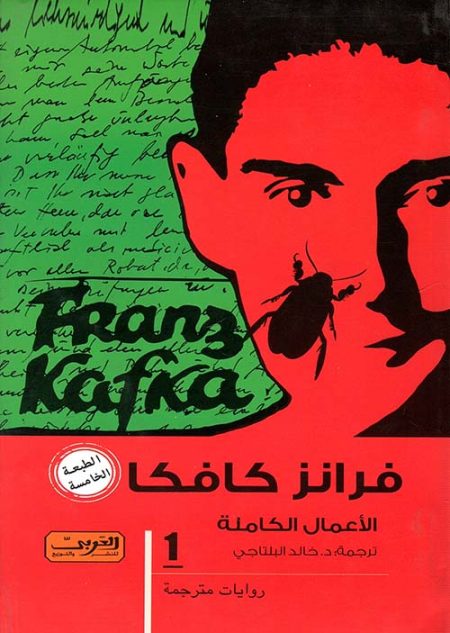
In a typical novel, one remains within its confines, not demanding an explanation after finishing it. Then comes a writer like Kafka, who writes about seemingly simple things, about a land surveyor, for example, yet all of this possesses a captivating beauty that somehow seizes the reader because it is particularly meaningful.







Reviews
There are no reviews yet.