
Description
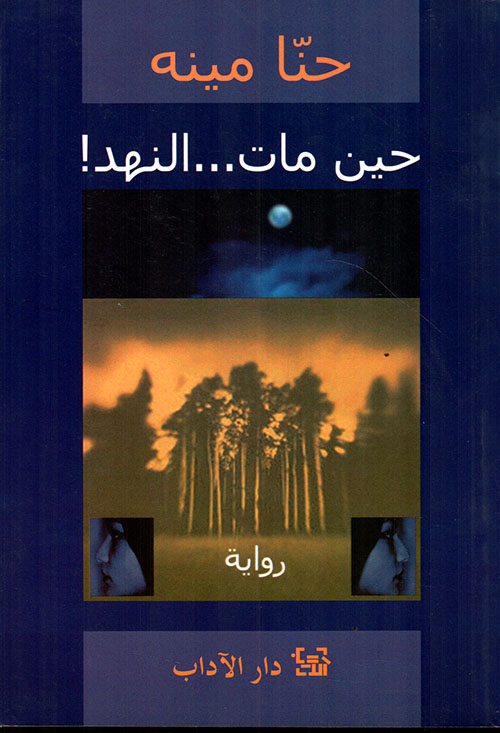
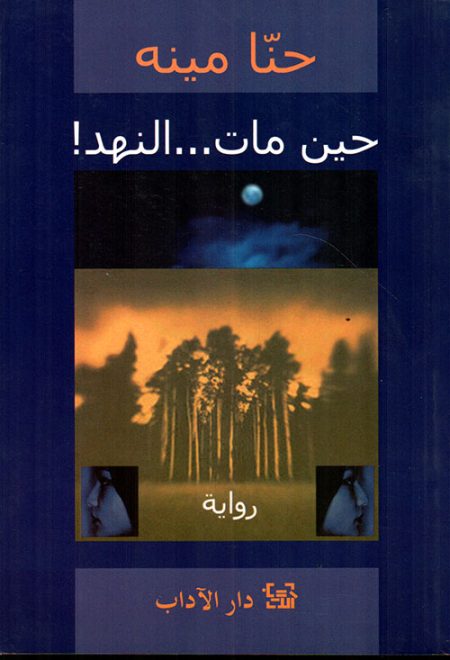
“Regret! The awakening of the mind, the stirring of conscience, the re-living of the act—this is not the purification we seek, not the salvation we yearn for, nor the straw to save us from drowning, nor the means to cleanse us of our sins. It is awakening from heedlessness, ascending from the precipice, confessing after denial, correcting what has gone astray, reaching the straight path, like a level line between two points. It is regret, the guide to error, and you are remorseful, and in this lies guidance after misguidance. But you must know, and it is good for you to know, that even the most sincere repentance is never accompanied by merely reciting the act of regret, but rather by learning from what has happened, so that you do not fall into error, or repeat it, in what has transpired. The perfect splendor was not afraid; he was alone. And this, in the alienation of body and soul, is harsher than fear. Who said, ‘Loneliness is worship’? It may be so for a day, for ten, for a month, for a year, and after a year comes boredom.” It reigns, spreading its shadow like a raven’s wing. Nights, even in summer, lose their joy; days are stripped of their brightest attire. The silk of morning light is no longer translucent, soft to the touch. The sun at dusk is no longer a shimmering golden waterfall, and sunset’s purple fades. Things change within the soul, becoming suffocated by its own melancholy. Melancholy pervades all beings. The whisper of the forest fades, the dwelling becomes desolate, perceptions grow dull, and the awe of temples and the ringing of bells vanishes. The moon cools, the body shivers… Departure becomes the call of time, even in the ears hardened by deafness. The other is gone, the other has left, the forest is desolate, and that fool Bakir has fled. He stole and fled. Why did he flee? If only he had stayed. His existence, even as a thief, was still existence. His playfulness, even in its cunning, was amusing. The falseness of his enticement, with the appearance of the forest fairy, held within it a glimmer of hope… How does one live? Without hope? Bakr was laughing at me, let him come again, and laugh at me. In my loneliness, I am even content to be laughed at! Let the woman be, faithful or unfaithful, let her be. And when she is, if she is, I will confess, I will tell her: I was wrong! A pine tree stepped forward. It was noon, and a pine tree stepped forward. Its bark split open, and from among the split bark, a woman emerged. She said, smiling, “I am, Kamil, the forest fairy you are waiting for.” Like the sea, the forest is a vast expanse for Hanna Mina’s imagination, which leaps and takes shape in phrases. In its problems lies the announcement of the birth of a novel idea. But wait, perhaps the birth of the idea came before the rush of imaginations emanating from the forest. It is the eternal idea: man and woman and their union, negative and positive, to form the breezes of hope and the drifts of despair, so that in their entirety, life is formed in its continuity. It is Hanna Mina who did not leave the reader far from his thought and from the dwellings of his soul. This idea leads the reader into the forest that forms the setting for the novel’s events. Meanings unfold, and with them, words and conflicts, like lines painting magnificent works of art—not with the usual colors, but with invisible ones, so transparent they touch the soul and the senses.
The reader’s imagination takes flight, their feelings, emotions, and even intellect stir, all working together to capture the philosophical meanings and scenes that transcend reality that Hanna Mina’s novel offers. The reader savors these experiences, sensing that Mina’s novelistic work has new avenues that acknowledge his creativity and his contributions, which spring from an inexhaustible literary wellspring.






Reviews
There are no reviews yet.