
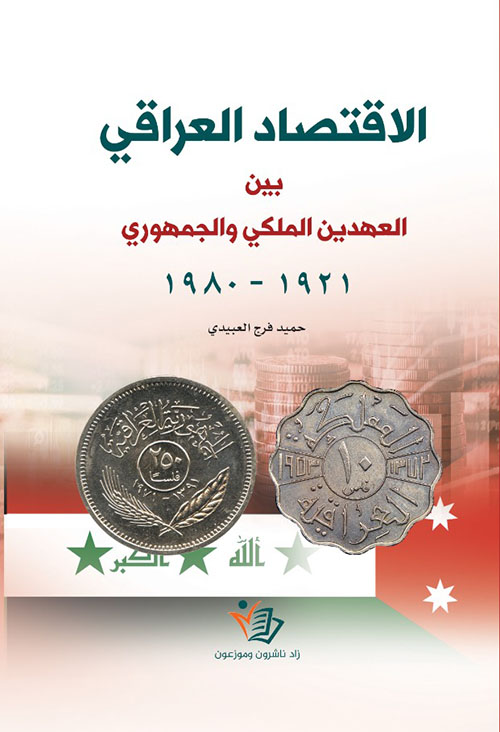
Description
Iraq witnessed numerous waves of human settlement over thousands of years, establishing successive civilizations whose remains still bear witness. Stability and the growth of culture and science, particularly after the invention of writing, further solidified its position. Writing broadened the horizons of its inhabitants, leading to numerous discoveries and inventions that contributed to its growth and development, ultimately enabling it to occupy prominent positions in all fields of knowledge. The Code of Hammurabi was the first legal code in the world, regulating the lives of its people and providing a clear example of justice and cooperation. Achievements in agriculture and industry followed, leading to a flourishing of life. This prompted many of its rulers and philosophers to consider how to eliminate the inevitability of death, which afflicts humanity at every stage of life. A number of Iraqis embarked on a quest to understand this unknown force that suddenly snatches away life, thus beginning the search for immortality. The Epic of Gilgamesh became the first tragedy to record humanity’s struggle to find a power that would prevent death. History then continued to record many attacks… For peoples who came from places where everything was scarce, seeking a comfortable life in this important part of the world. Iraq is perhaps one of the regions most subjected to military and barbaric campaigns and attacks, sometimes to occupy it, and other times to annex it to the empires of kings coveting its resources and wealth. These campaigns have continued to this day. After the fall of the Abbasid Caliphate, which was founded by Arabs who chose Iraq as their center of power, they established the first city on the banks of the Tigris River, called Baghdad. It quickly rose to prominence among the world’s cities, becoming a center of learning, a haven for scholars, writers, and poets, earning it the title “City of Peace.”








Reviews
There are no reviews yet.