
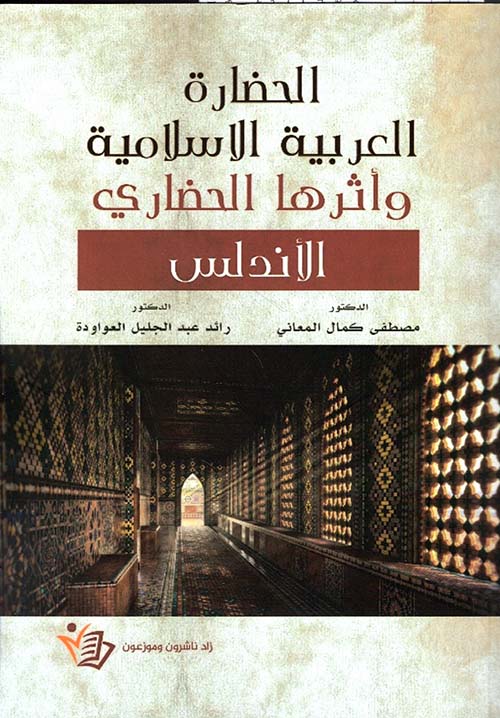
Description
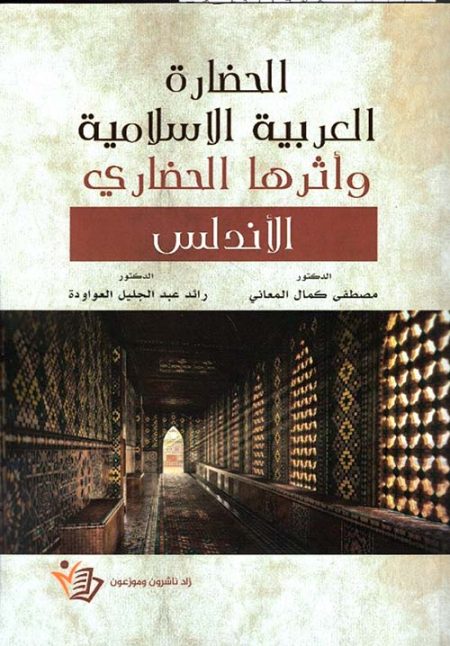
In modern times, Arabs acknowledge that their renaissance began with their first contact with the colonial West. Europeans, however, were long hesitant to recognize the debt they owed to Arab-Islamic civilization and the contributions of Arabs and Muslims to their modern renaissance. Yet, the absorption and assimilation of several elements of Arab-Islamic thought are clearly evident in philosophical and literary intellectual output, as well as in the natural sciences. It is difficult to deny or dismiss this fact, or to claim that what the Arabs offered Europe was limited to preserving and translating Greek thought without any significant contribution.
This contradicts what contemporary Western anthropologists and historians have revealed as they trace the development of cultural relations between peoples and civilizations throughout history. The French historian Fernand Braudel emphasized the importance of borrowing during periods of acculturation between civilizations and cultures, as well as the inevitability of interaction between civilizations. A range of cultural elements are transferred from one civilization to another and assimilated, either completely or with some modifications, to harmonize with the new cultural structure. This underscores the fallacy of the Western view that Arabs and Muslims were merely transmitters of Greek thought, that they handed Europe a extinguished torch of civilization, and that they were the ones who rekindled it.




Reviews
There are no reviews yet.