
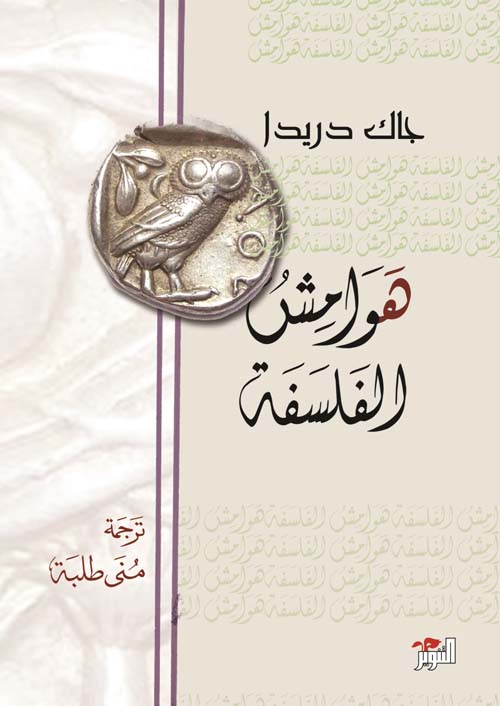
Description
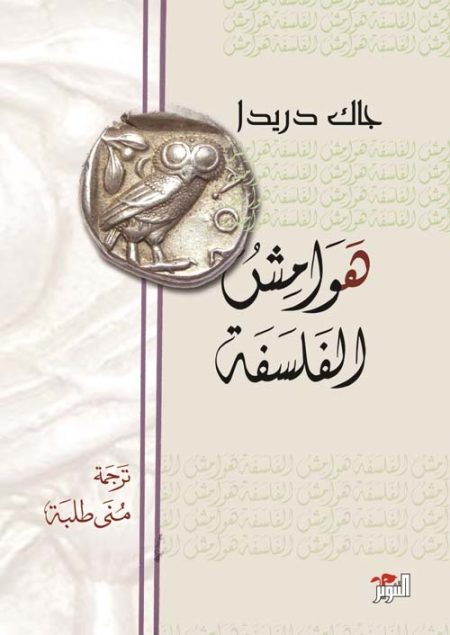
In this intense, layered journey, Derrida seeks to deconstruct the philosophical heritage of Plato, Kant, Hegel, Nietzsche, Husserl, and Heidegger, revisiting each in one or more essays.
This book also contains essays on linguistics (Saussure, Benveniste, and Austin), an essay on the nature of metaphor (White Mythology), and an essay that includes important insights into literary theory. With his dazzling and complex style, Derrida masterfully handles the topics covered in this book, which is a true source of inspiration for those willing to follow him on his challenging path. Heidegger tells us what time is (non-being as “no longer” or “not yet”), but he can only do so because he allows himself to say that time can only exist as being, or (by being), that is, as an active, present noun. Because time and its being are conceived from the present, time appears—paradoxically—non-existent (or rather, an impure, composite being). And because we think we know what time is in its nature, we can, superficially, deduce its insignificant existence, even its non-existence. We already know, at least through the naive practice of discourse, what time ought to be, what it means to the past and the future, in order to deduce the insignificant existence or non-existence of time. We think that the past and the future are insignificant accidents of this present, which we know to be the meaning and essence of what is (being). This is what remains unchanged from Aristotle to Hegel.






Reviews
There are no reviews yet.