
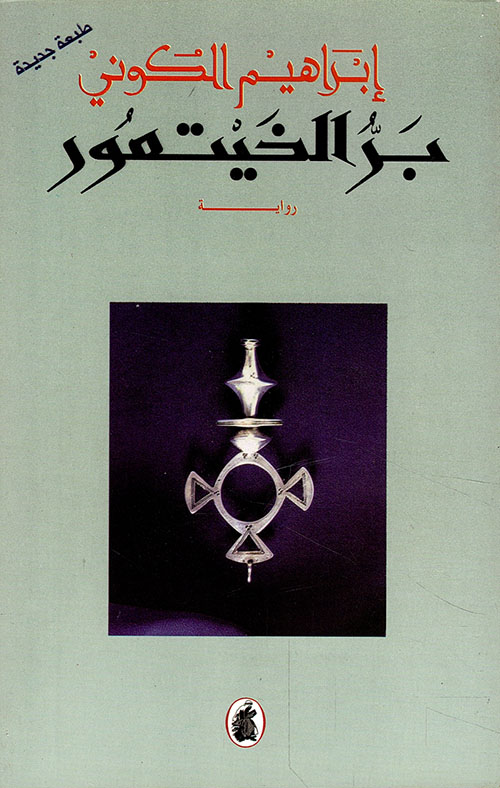
Description
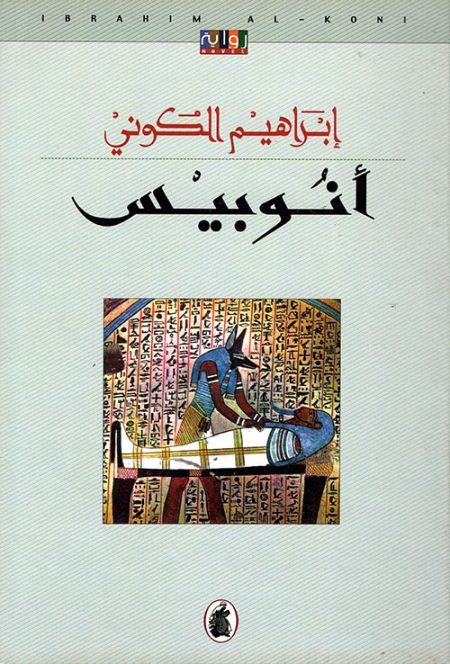
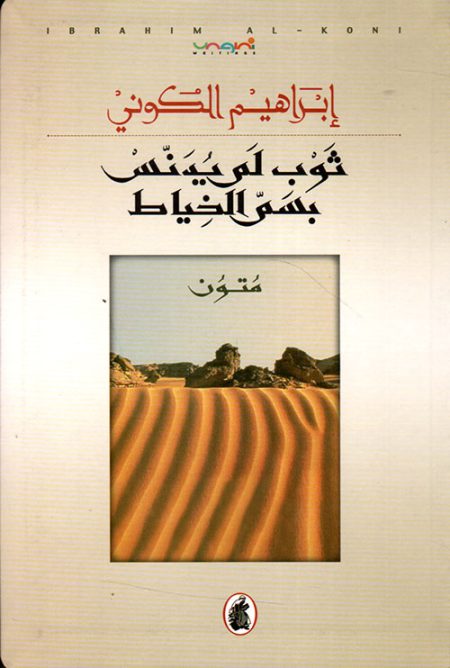
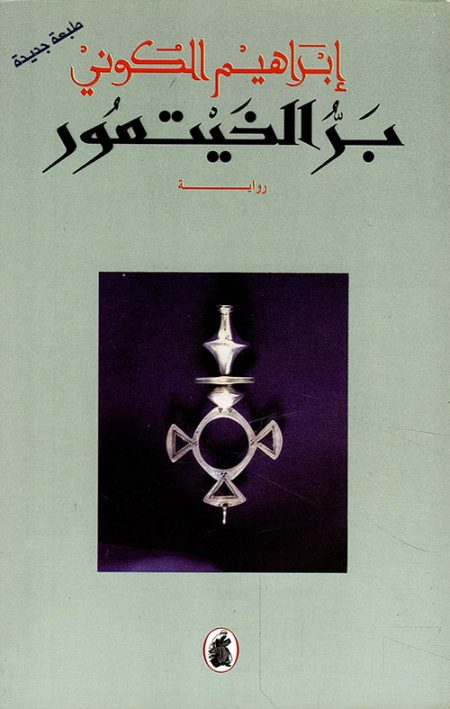
“He fled in search of the dewy air that the earth generously provides, and that the irrigated fields breathe in the evenings. Outside, he removed the veil from his nose and lips, and swallowed the air with the gasp of a dying man. He gasped once, twice, three times, but his chest borrowed no breaths from the air, and the suffocation intensified. The choking grew, and weakness paralyzed him, so how could he find solace against the death of the air within the air? A tremor ran through his limbs, sweat trickled from his body, and dizziness seized his head. He collapsed to the ground, and lay upon a legacy into which the night had infused a pleasant coolness. He buried his hands and feet in the earth and chased the winds into the void. The earth absorbed the fever, and the winds offered him a small comfort, so he thought of justice. He summoned the other ‘Imre,’ the angry ‘Imre,’ and conversed with him about justice. He said that he wanted to do justice to the mighty among the people, and to have mercy on the old man of a humiliated kingdom, so he chose the most lenient punishment, but the hidden He made it a punishment worse than any other, and found himself committing a crime that the earth recoiled from before the heavens disavowed it: the denial of kindness! He not only denied kindness, but he arrogated to himself a right that even the wisest disavowed, appointing himself judge who decreed the expulsion of a lost soul from “Waw,” thus borrowing the right of God when he took a life. Does good intentions excuse the imposition of the death penalty on a creature, even if it is not innocent? Does a human being have the right to condemn another? Do the elite have the right to condemn their leader, knowing that they are merely spouting rhetoric about a justice that does not exist in a land of decay and corruption? Why does every divine decree turn into its opposite the moment it descends to the lowest levels and falls into the hands of men? What is the use of life without justice, and what is the use of a justice that becomes a monstrosity the moment people circulate it? Will he be satisfied with what is said and absolve himself of sin with a faith that denies the existence of justice under the dome of heaven? He was about to ask this question, but he jumped from his seat. The swing… He went out into the thicket, crossed the bushes, passed through the fields of crops, and dismounted until the land was wet. The earth became depressed, the open space frowned, and the desert spread out stones and mirages as a path for him. He traveled a distance, turned back, and saw a shimmering, dense fabric, crafted by the Khitaour, clinging to a void that hung over one nameless. This narrative pattern suggests a rebellion against the familiar, indicating that man is a product of his environment, even when he seeks to create the strange. This is Ibrahim al-Koni, confidently and boldly venturing into the atmosphere of the novel and the desert, shaping them together in a way that leaves the reader no opportunity to look beyond the novel’s boundaries and lines. He takes the reader on a journey through a desert created by imagination with threads of reality. The reader is immersed with al-Koni, becoming part of a cosmic atmosphere that saturates the imagination with narratives of jinn and desert creatures, and softens the memory with myths born from the desert’s haunting anxieties and specters. These anxieties have enriched Ibrahim al-Koni’s imagination, filling it with beauties and images that come alive before the reader’s eyes. However, al-Koni was not a superficial novelist. Inspired by reality, he drew ideas that express the human suffering in existence: “Justice, death, life, names…” Ideas that intertwined with the depths of human philosophy, which he presented Set amidst breathtaking desert landscapes, the novel draws the reader in, making them feel immersed and captivated.
Reviews
There are no reviews yet.