
Description
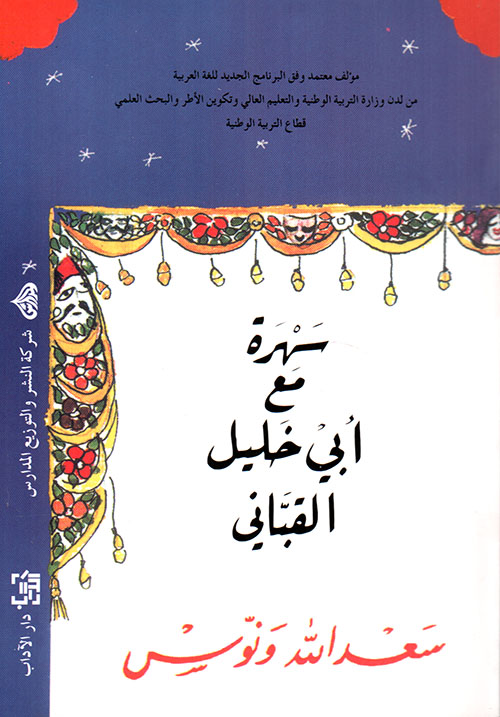
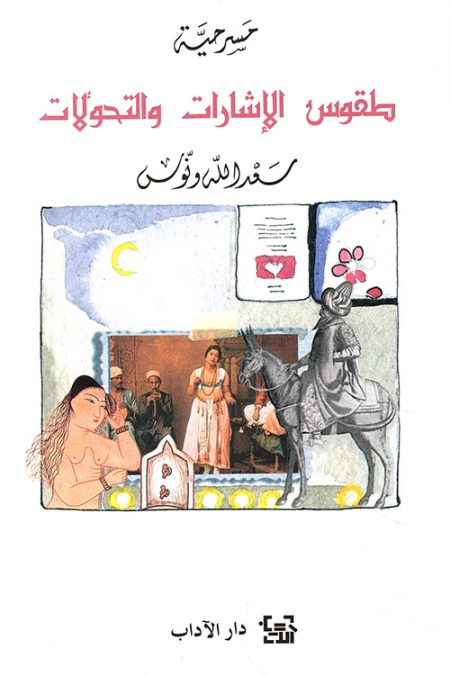
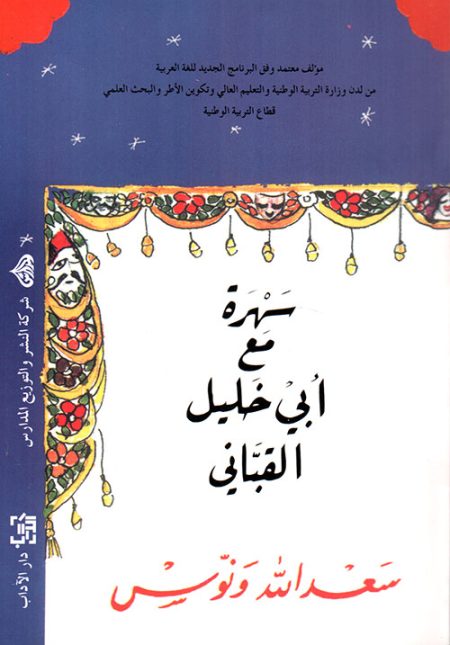
In an attempt to revive one of Abu Khalil al-Qabbani’s works and to place it within a contemporary vision, Saadallah Wannous chose al-Qabbani’s play “Harun al-Rashid.” Through it, he attempts to chronicle the theatrical movement in Damascus with Ghanem ibn Ayyub and Qut al-Qulub, incorporating its events into this play after modifying some of its language and situations. These events are then integrated with the pioneering story of al-Qabbani’s experience and his struggle to establish a theater in Damascus.
Therefore, there are two distinct levels in this work, and it is essential to differentiate between them clearly. The first level is Abu Khalil al-Qabbani’s play “Harun al-Rashid with Ghanem ibn Ayyub and Qut al-Qulub,” in which Wannous attempts to recapture the essence of theatrical performance as it was practiced in those days. For him, at least, the fundamental value of that experience lies not only in its pioneering nature but also in the nature of the theatrical performance as a social event. All of this transformed the performance into a social phenomenon that created a new atmosphere in people’s evenings and fostered a unique sense of community. The second level of this work comprises documentary and historical accounts that tell the story of Qabbani from the beginning of his theatrical career until the reactionary forces closed and burned his theater. Here, Abdullah Wannous employed short scenes whose sequence mirrors the flow of time itself.

Reviews
There are no reviews yet.