
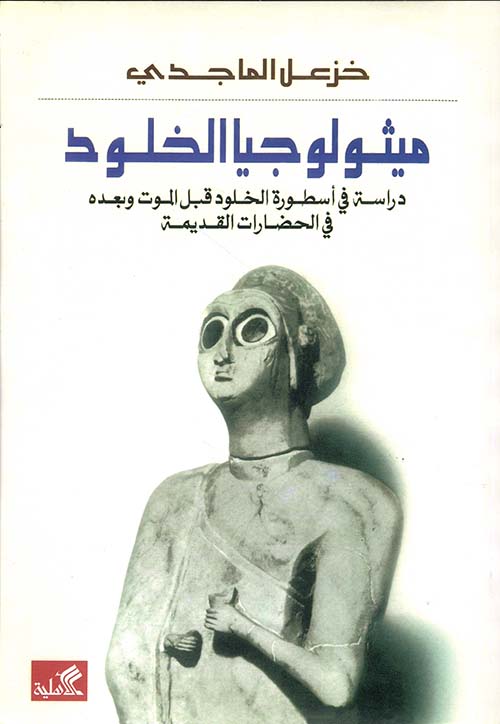
Description
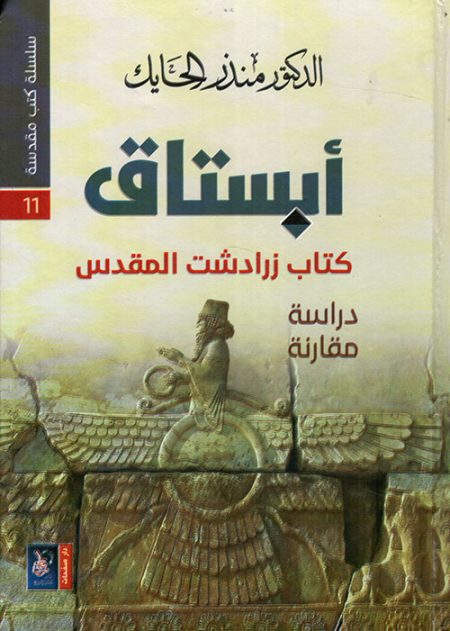
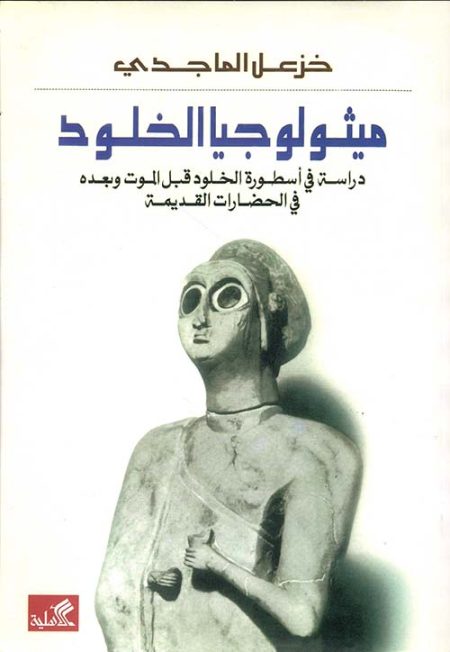
Why did humankind search for immortality? And why, when it couldn’t find it, did it propose alternative forms? How did humankind aspire to life after death and envision itself as immortal, body and soul, or one of them? How did humankind, from all this striving, create myths and eschatological scenarios? This book attempts to answer all these questions and explores immortality from a mythological perspective. It examines the major allurements of immortality before and after death, as well as the minor, alternative allurements inherent in heroism, wisdom, sex, procreation, medicine, healing, the written word, and knowledge. Undoubtedly, all religions have offered humankind some form of immortality before or after death, and the degrees and methods of this immortality have varied, giving rise to numerous myths that depict its realms and shape its forms. This book is divided into two main sections: the first addresses the topic of immortality before death and the search for it in the Mesopotamian tradition, and the second addresses immortality after death and submission to it in the afterlife in the Nile Valley tradition. The second part of the book discusses in detail the solutions offered by Mesopotamian heritage as alternatives to universal immortality. The first chapter of this section addresses the mythology of heroism and wisdom, exploring their interconnectedness or separation among the gods and mythological figures of ancient Iraq, such as Adapa, Utnapishtim, Etana, and Gilgamesh, among others. The second chapter analyzes the mythology of sex and procreation, focusing on the concept of cosmic fertility, the fertile mirrors of Inanna, and their disastrous counterparts, as well as the syndromes of fertility and drought. The third chapter examines the mythology of medicine and healing as a form of partial survival and an attempt to rescue humanity from death and disease. The fourth chapter explores the powers of divination and magic from their medical and healing perspectives, discussing the observations of diviners regarding the entrails, animals, nature, and stars, and their connection to health and illness. It then delves into the powers of magic, its relationship to medicine, the concept of hidden germs (demons), preventative magic (incantations, spells, and amulets), black magic, and mental and psychological medicine.

Reviews
There are no reviews yet.