962-7983-18423+
24/7 دعم

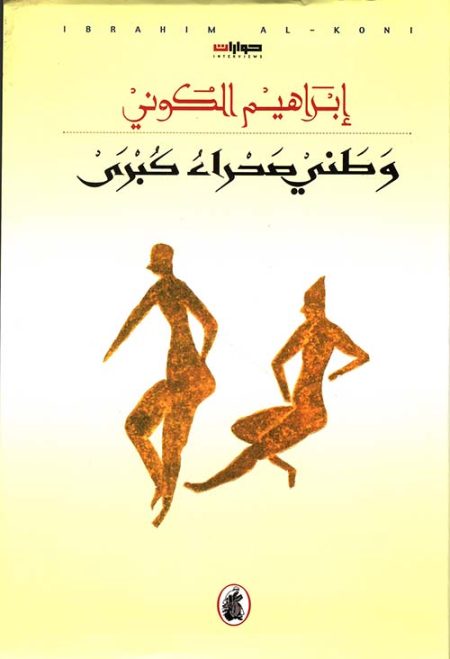
A collection of texts, dialogues, and literary testimonies that address the desert, humanity, identity, and the spirit, and discuss the impact of oil and modern transformations on values and desert life, alongside diverse intellectual and literary reflections.
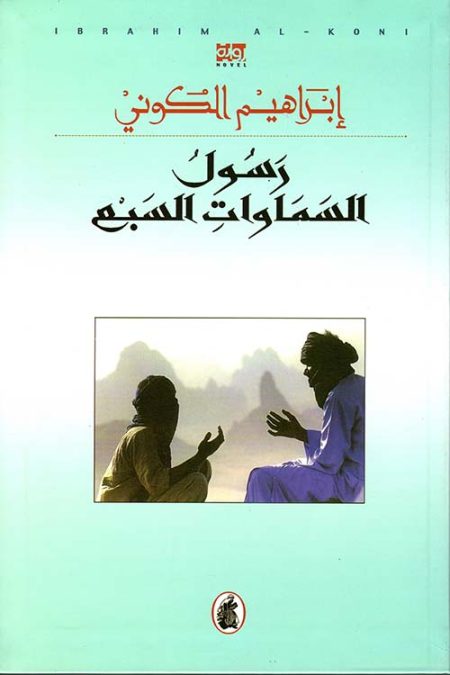
It is a realistic novel that examines groups living within a closed intellectual framework, raising questions about the understanding of religion and its relationship to governance and society, through human and psychological conflicts between the past and present.
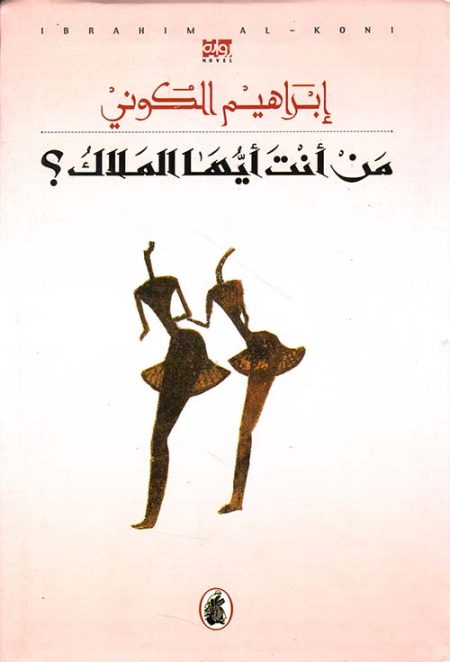
This novel addresses the human struggle against the constraints of society and authority through the lens of identity and name, in a confrontation between the world of the desert and the laws of the city. Philosophical and symbolic questions intertwine with issues of freedom and belonging.
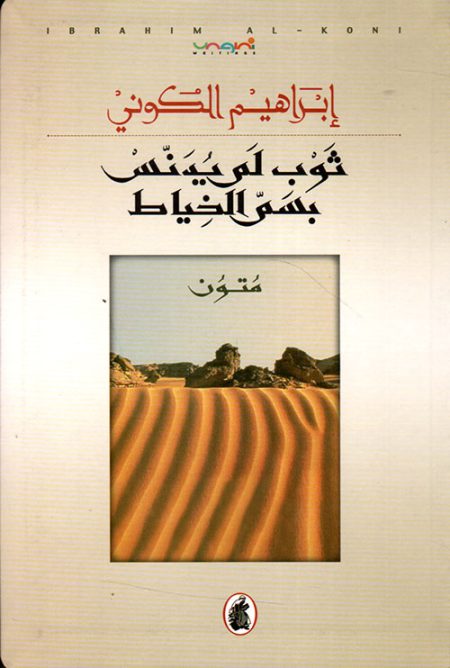
Narrative texts that blend history with myth and heritage, and present intellectual reflections on truth, power, and humanity, with a clear presence of political protest and questions of existence and identity.
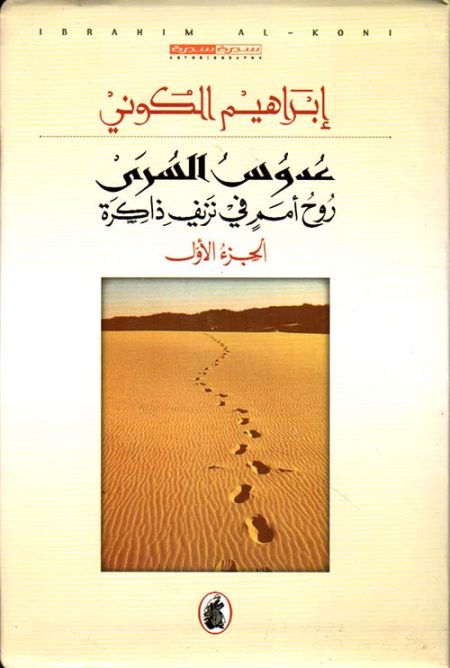
A reflective autobiography that recalls childhood and the features of life in the oasis and the desert, and addresses the journey of formation, study, travel, and work, in a narrative that blends memory with reflection on identity and alienation.
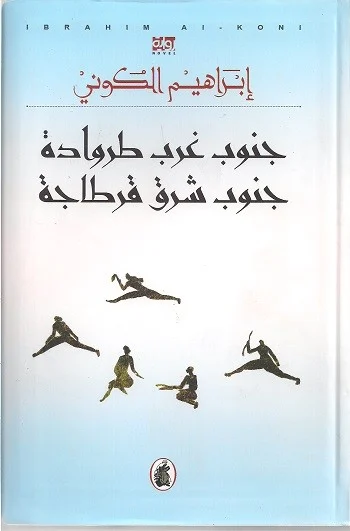
A novel that evokes Libyan history through the interplay of memory and reality, addressing homeland, conflict, and identity through an epic narrative that revisits past events in light of contemporary transformations.
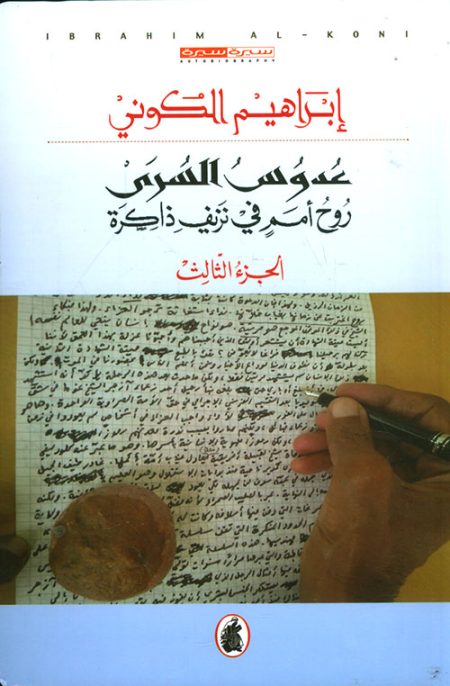
These are memoirs and reflections on alienation, memory, and freedom, revisiting experiences of travel and exile, and the relationship between man and place and nature, in a profound philosophical and poetic language that contemplates existence and inner transformations.
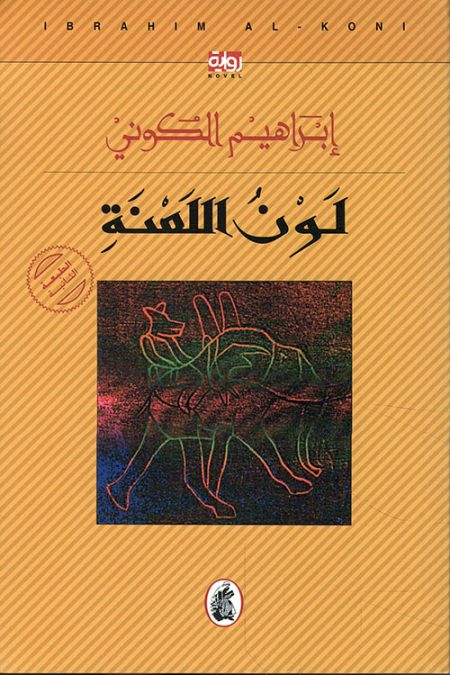
A novel that blends history, myth, and magic, addressing slavery, discrimination, and the human condition through a tale charged with mystery, conflict, and revenge, in a world where reality and fantasy intertwine.
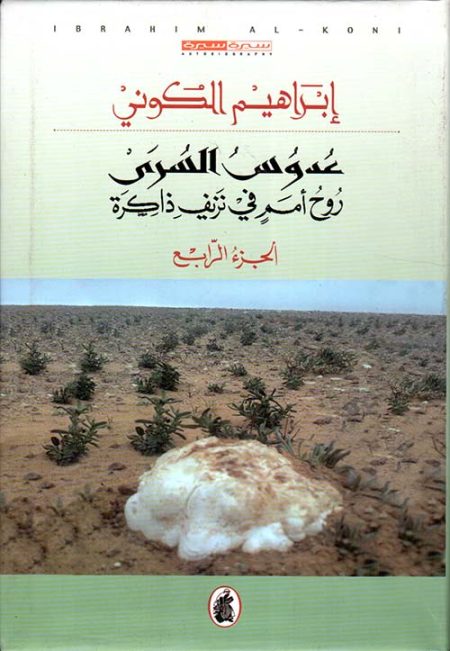
These are literary and intellectual memoirs that explore the journey of the self between the desert, exile, and the search for freedom, blending the retrieval of memory with reflections on humanity, society, politics, and the destinies of nations.
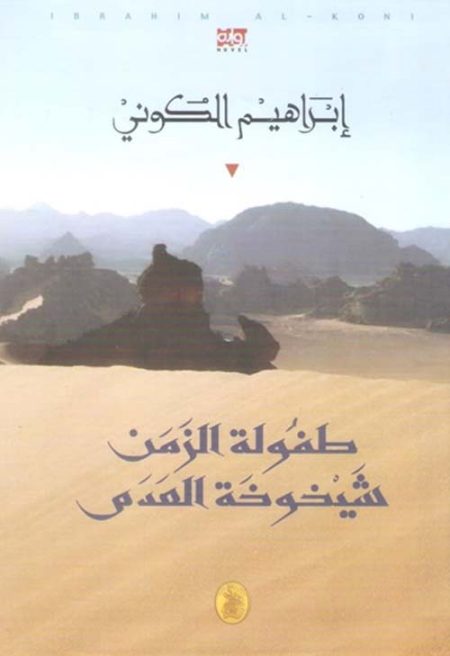
This novel evokes the decline of the ancient desert world and the transformations of humanity in the face of time and civilization, in a reflective narrative that blends memory with myth and questions of existence and identity.
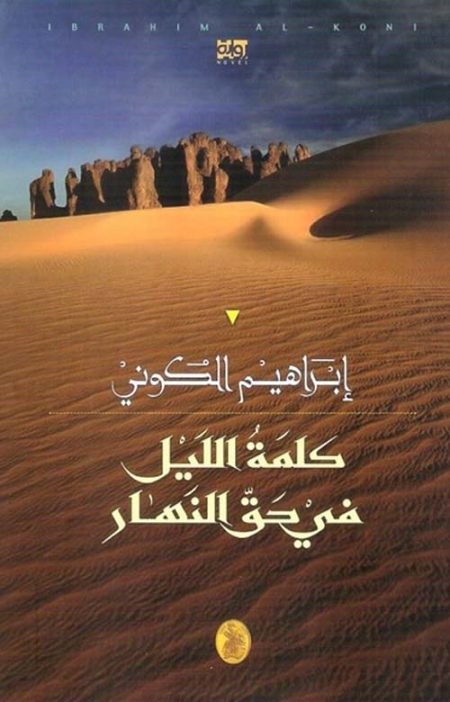
This epic historical narrative revisits the life of the Berber queen Kahina Dihya and her bloody struggle to defend her kingdom in North Africa, offering a reinterpretation of history from the perspective of the victim confronting the invaders.
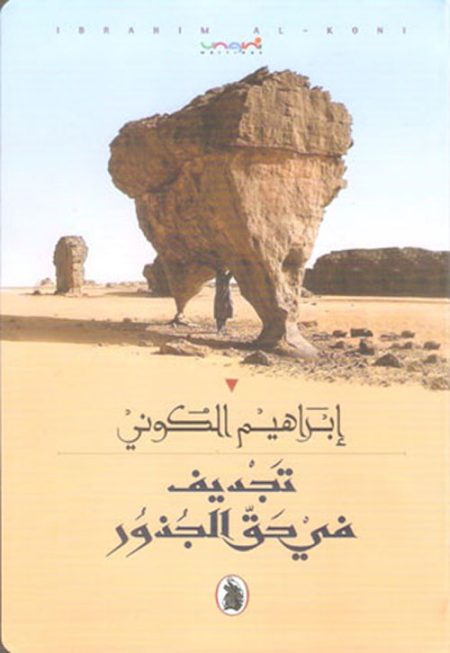
This is a reflective and intellectual book that explores humanity’s relationship with its origins, the desert, memory, and place, through philosophical fragments, insights, and intellectual reflections that delve into identity, existence, and humanity’s yearning for its roots.”
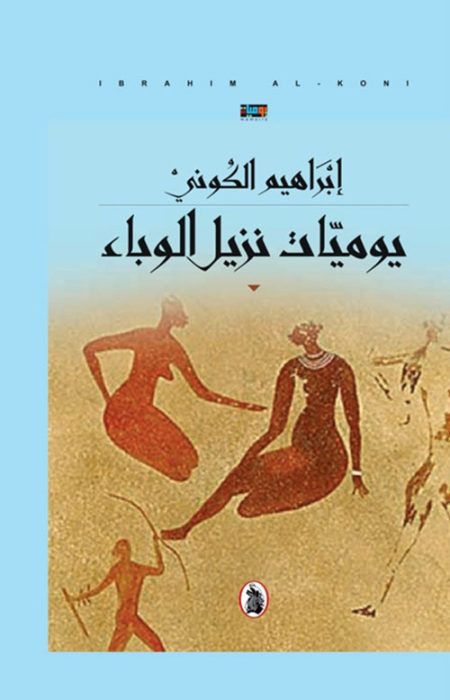
These are narrative and philosophical reflections on the experience of the pandemic and quarantine, observing human isolation and confrontation with self and nature, and posing existential questions about the meaning of life and the limits of civilization in the face of the forces of nature.
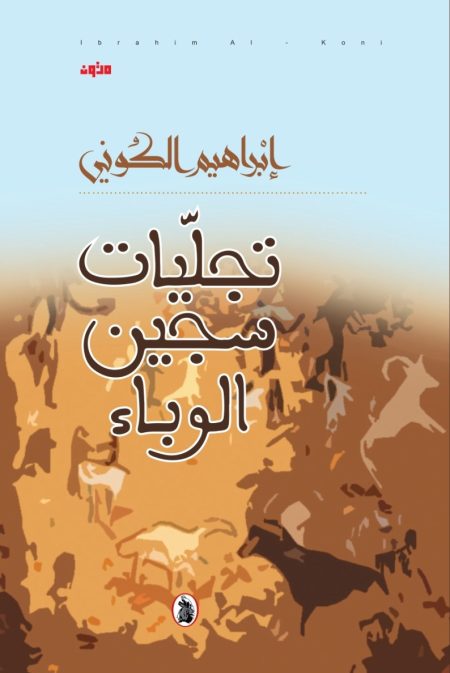
This collection includes reflections and intellectual and philosophical essays addressing the pandemic, quarantine, and questions of humanity, existence, and freedom, with a prominent presence of mythology, place, identity, and language.
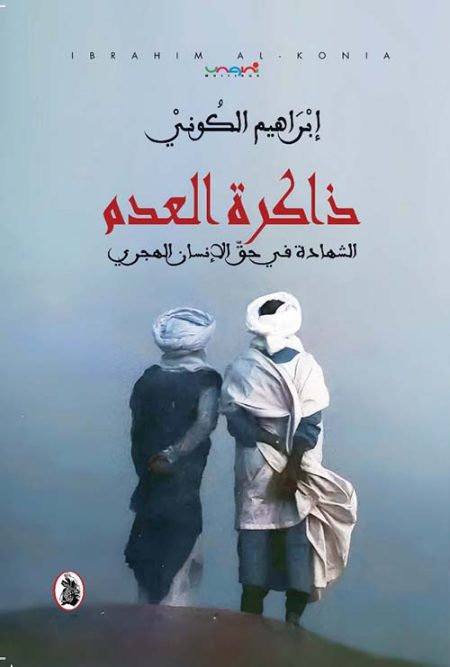
These are philosophical reflections on the fate of humanity and its relationship to civilization and stability, revisiting the duality of migration and residence, desert and city, and advocating a return to innate nature, freedom, and spiritual purity through the evocation of myth, memory, and existence.
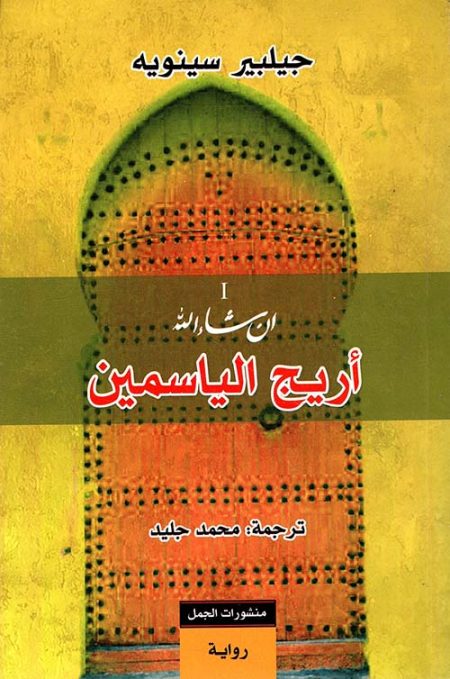
A historical epic that chronicles the transformations of the Middle East between 1916 and 1956, through the lives of five Egyptian, Iraqi, Palestinian, and Jewish families whose lives intertwine with major political and historical events.
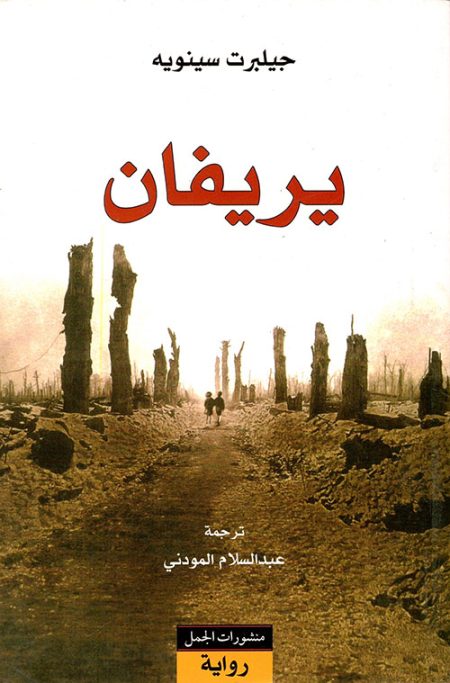
The work recounts bloody historical events that took place in the late Ottoman era, through the fates of an Armenian family amidst massacres, forced displacement, and political conflicts, seamlessly blending narrative fiction with historical facts.
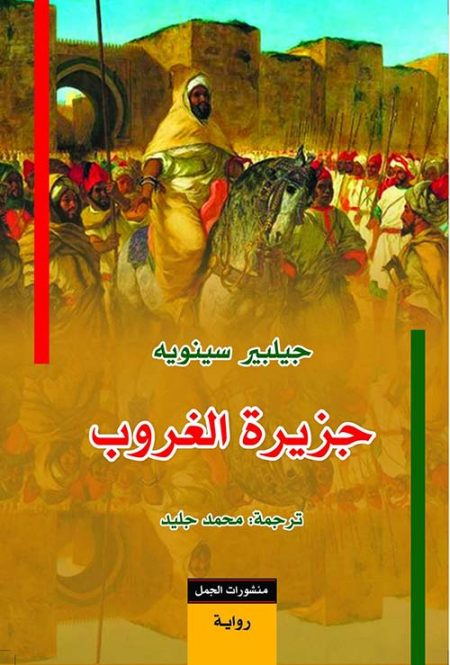
The novel is set in Morocco during the reign of Sultan Moulay Ismail and presents a blend of history, politics, and human conflicts through the eyes of a French doctor close to the Sultan, in an epic narrative brimming with events and intrigue.
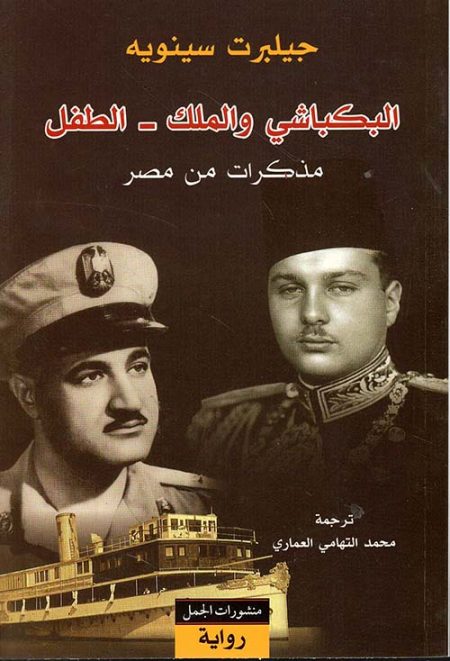
The novel explores the atmosphere in Egypt during the final years of the monarchy, tracing the political and social tensions that preceded the July Revolution, through the intertwining of King Farouk’s fate and Gamal Abdel Nasser’s rise to prominence in the political and military arenas.
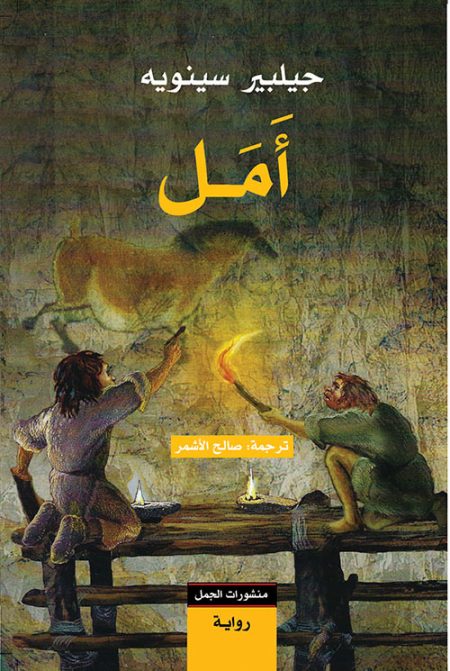
A dramatic historical novel that recounts the story of humankind from its earliest beginnings, through a journey that blends myth and reality, exploring the rise of civilizations, the transformations of humanity, and its relationship with nature and life.