962-7983-18423+
24/7 دعم

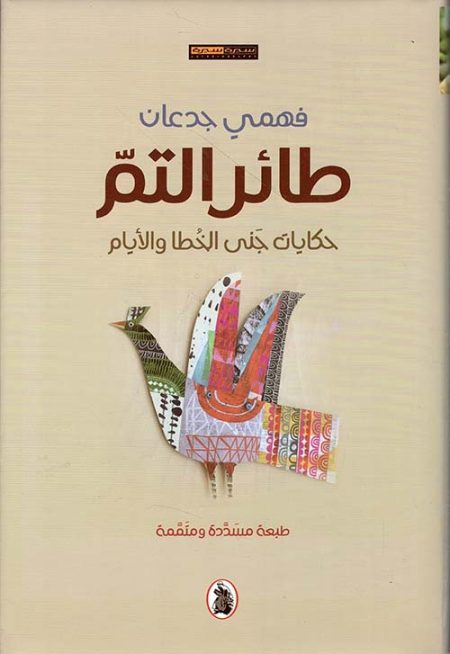
This is an intellectual autobiography that weaves together personal experience and collective memory. It explores key life milestones alongside historical and intellectual transformations, focusing on the Palestinian Nakba, exile, identity, and the figures who helped shape the author’s journey.
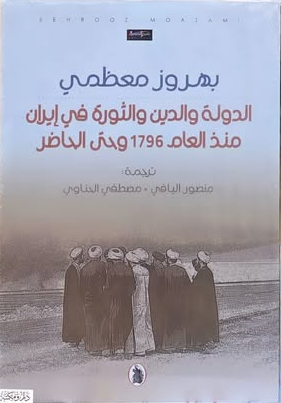
An analytical historical study exploring the development of the relationship between political authority and the religious establishment in Iran—from the founding of the Qajar state in 1796 to the modern era—with a focus on the Islamic Revolution and the transformations in governance and Iranian political identity.
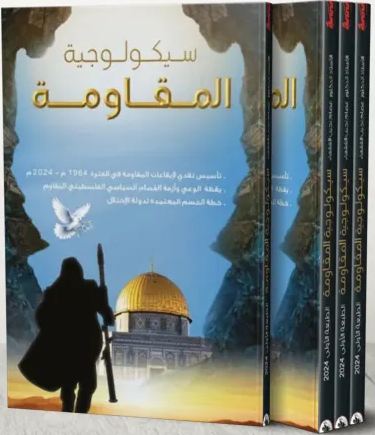
This is a psychological and cultural study that examines Palestinian resistance—in both its armed and civil forms—while analyzing its intellectual, social, and educational foundations. It further explores the roles of consciousness, willpower, culture, and literary creativity in strengthening steadfastness (*sumud*) and confronting the occupation.
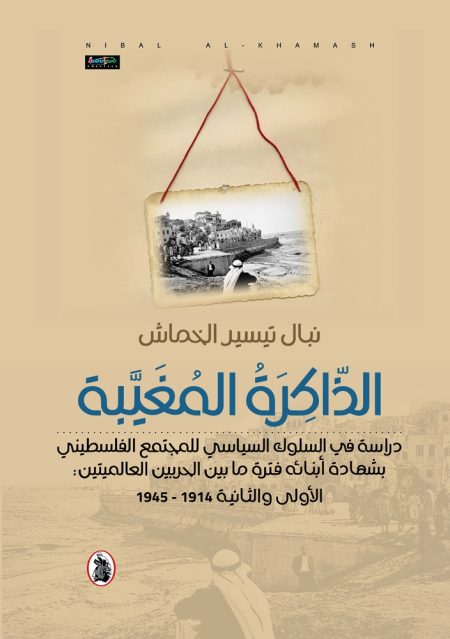
This is an analytical historical study that examines the political behavior of Palestinian society between 1914 and 1945. Drawing upon the testimonies, memoirs, and diaries of those who lived through that period, the work sheds light on the attitudes of the society and its responses to the political transformations and events of the time.
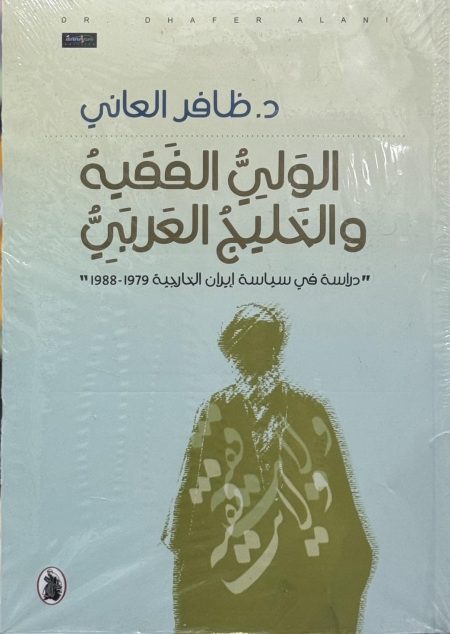
This analytical study tracks the orientations of Iranian foreign policy toward the Arabian Gulf states between 1979 and 1988. It explores the intellectual and political factors that influenced Iranian decision-making, as well as the repercussions of these factors on the security and stability of the region.
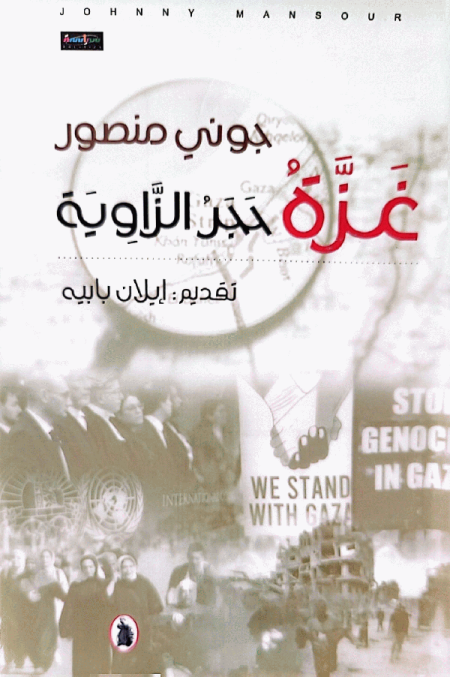
This book examines the repercussions of the events of October 7, 2023, and the war on Gaza from historical, political, and intellectual perspectives. It explores the future of the Palestinian cause, regional and international shifts, and the critical importance of reconstructing the Palestinian national project in light of current developments.
This historical and intellectual study explores the evolution of Christianity over two millennia. It investigates how religion has been instrumentalized in the service of war, colonialism, and political violence, while analyzing the transformations that altered its core teachings and its role in shaping European and American policies toward other peoples.
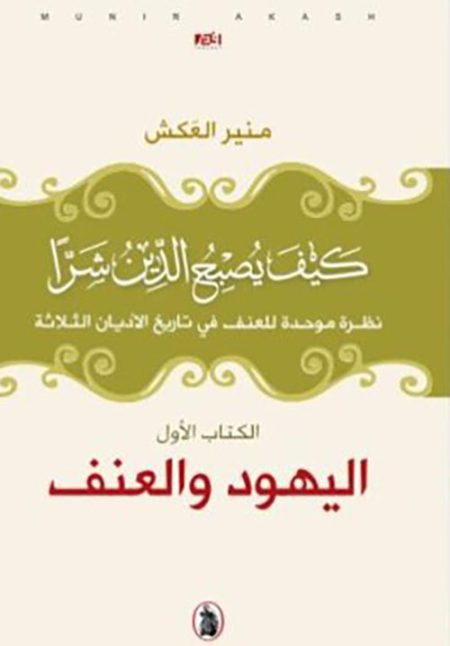
An intellectual and historical study that investigates the connection between religion and violence across the history of the three major religions. It discusses how religious beliefs and texts are utilized to justify violence, while providing a critical analysis of the impact of religious interpretations on conflicts and human practices.
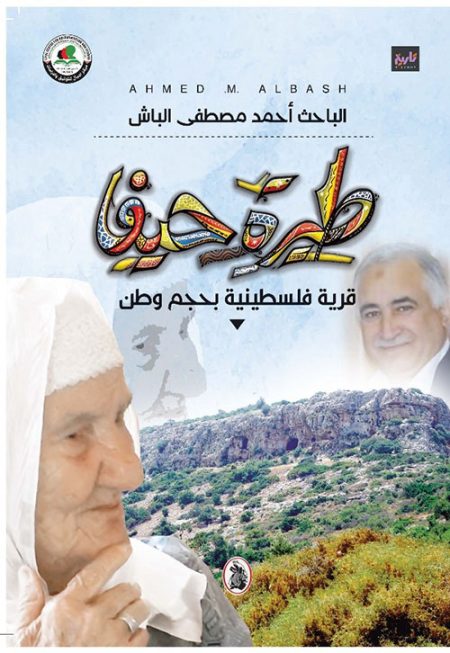
This work documents the history of the Palestinian village of Tirat Haifa, exploring its historical roots, the lives and customs of its families, and their journey both before and after the Nakba of 1948—serving as a testament that preserves the collective memory and national identity of the Palestinian people.
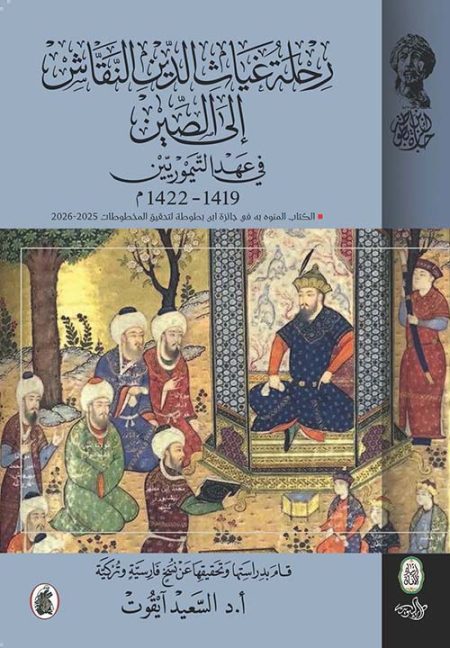
It documents a diplomatic journey to China in the fifteenth century, examining the cities, landmarks, customs, traditions, and systems of governance that the traveler observed along the way. It provides significant historical and cultural material for understanding the relations between the Timurid state and China during the Ming dynasty.
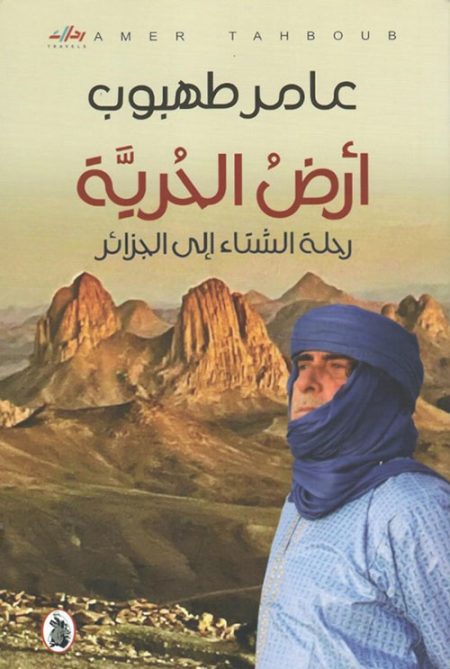
A literary and exploratory journey that documents the author’s observations during a winter trip to Algeria. It sheds light on the country’s natural landscapes, cities, and desert regions, while examining its history, culture, and legacy of struggle—as well as the shared values of freedom and belonging that unite the Algerian and Palestinian peoples.
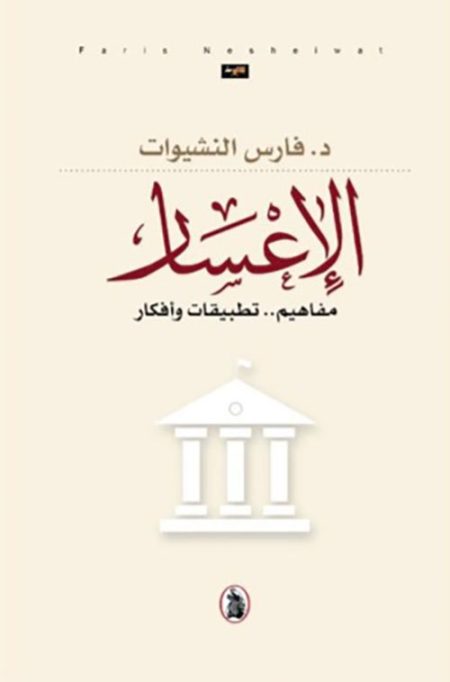
The text examines insolvency from both legal and practical standpoints—clarifying its definition, conditions, procedures, and consequences—while offering applications and insights that facilitate an understanding of the relevant legal provisions and the handling of debtor distress within established legal frameworks.
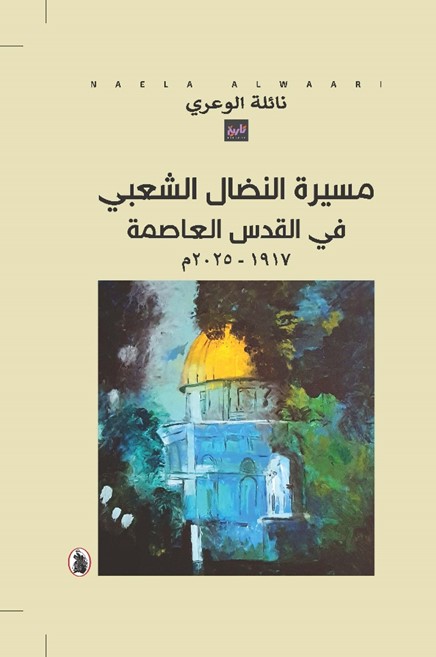
A historical, documentary study that traces the trajectory of the Palestinian popular struggle in Jerusalem from 1917 to 2025. It focuses on peaceful popular resistance, the role of Jerusalemite institutions and society in confronting colonialism and occupation, and efforts to counter the “Judaization” of the city while preserving its national identity.
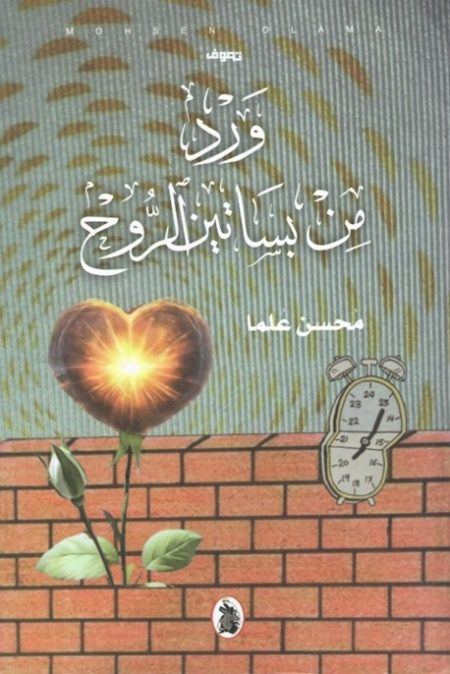
A collection of soulful literary pieces—comprising musings and reflections—that articulate human emotions and spiritual experiences. It explores the meaning of life, love, and hope through an evocative style that touches the spirit and delves into the depths of the human soul.
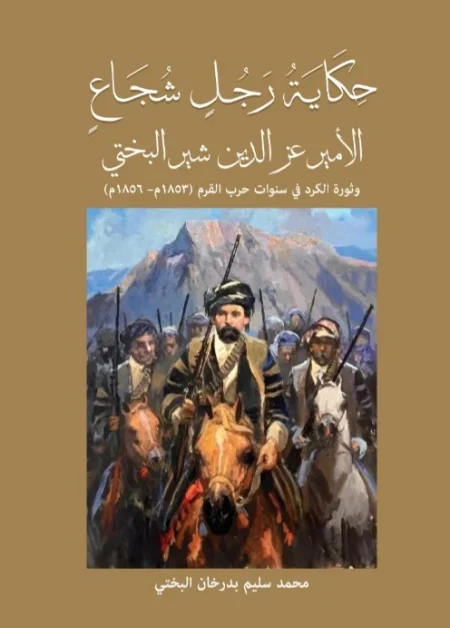
A historical study documenting the Kurdish revolt during the Crimean War (1853–1856). It sheds light on the life of Prince Izz al-Din Shir al-Bakhti and his role in leading the uprising, while examining the history of the Principality of Botan, the events of the revolt, and its conclusion—all based on historical documentation.
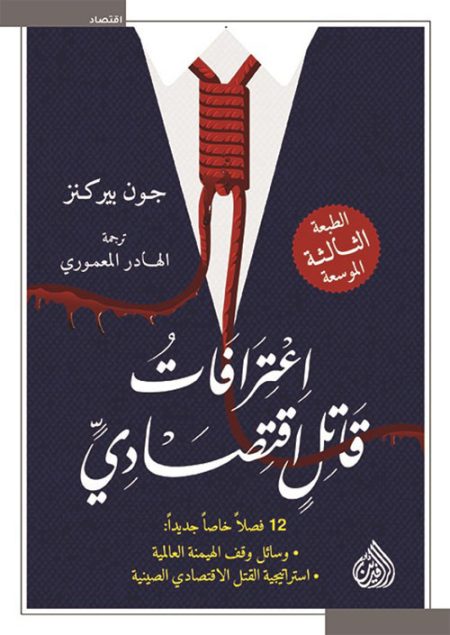
Through the account of a professional career, the book reveals how loans and economic projects are exploited to influence the decisions of developing nations and subject them to political and economic control, while highlighting the role of corporations and financial institutions in perpetuating debt and economic inequality.
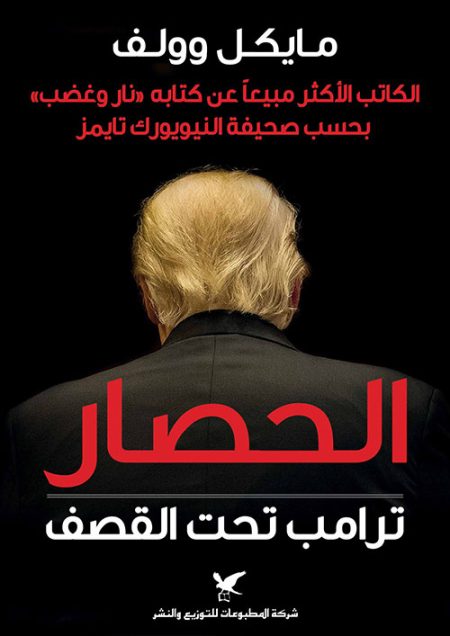
An investigative journalistic work that pulls back the curtain on the Donald Trump administration, shedding light on internal White House conflicts, the legal and political investigations surrounding his presidency, and the tensions that threatened its stability.
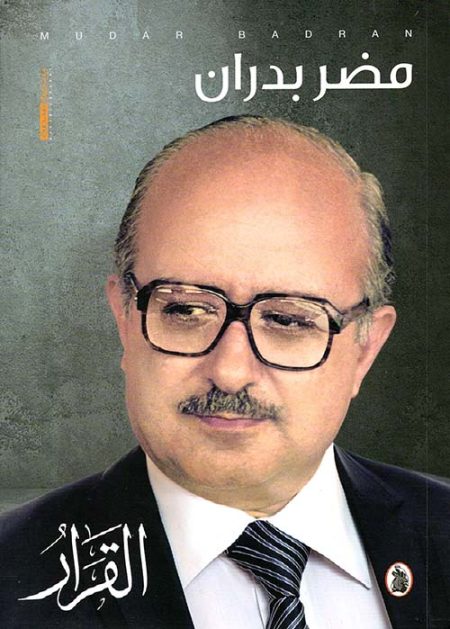
These political memoirs document pivotal moments in Jordan’s modern history, offering an inside look at the inner workings of the security and political apparatus, the realities of governance, and the process of decision-making. The book also sheds light on significant events and prominent figures that helped shape the Jordanian and Arab landscape throughout the second half of the twentieth century.
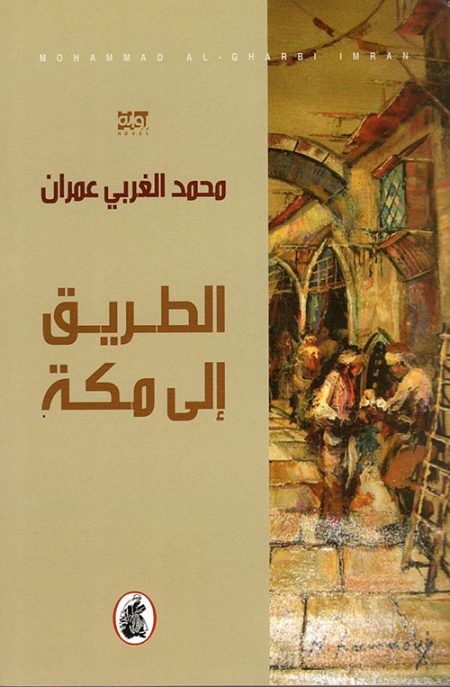
A historical and intellectual novel that follows a person’s journey in search of truth and knowledge. Through a series of events, the narrative explores the protagonist’s struggle with established beliefs and existential questions, while examining the interplay between religions and cultures and their role in shaping human consciousness.
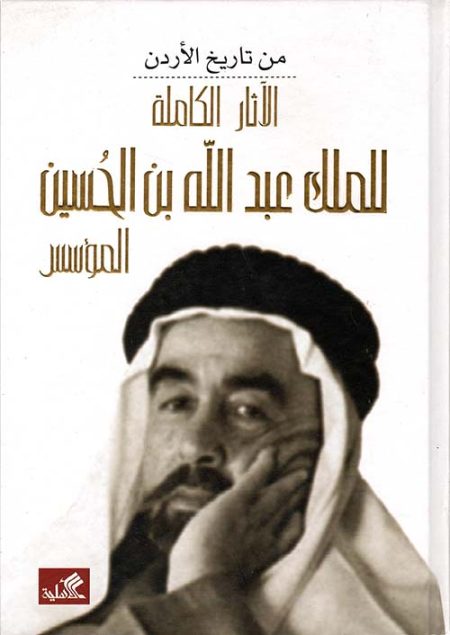
This collection comprises various political and literary writings, as well as memoirs, that document the origins and development of the Jordanian state. It addresses the Great Arab Revolt, the Palestinian cause, and inter-Arab relations, alongside reflections on governance and society, as well as a selection of poetic and prose texts.