962-7983-18423+
24/7 دعم

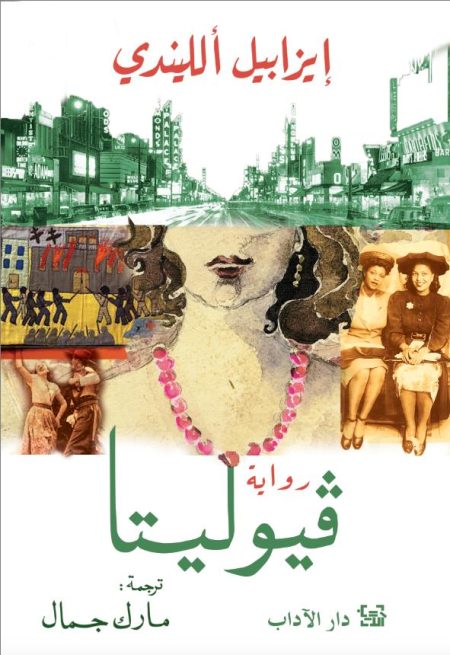
The story revolves around a woman who recounts her life’s journey spanning a century, navigating political and social transformations and family events, in a journey filled with love, loss, resilience, and self-discovery.
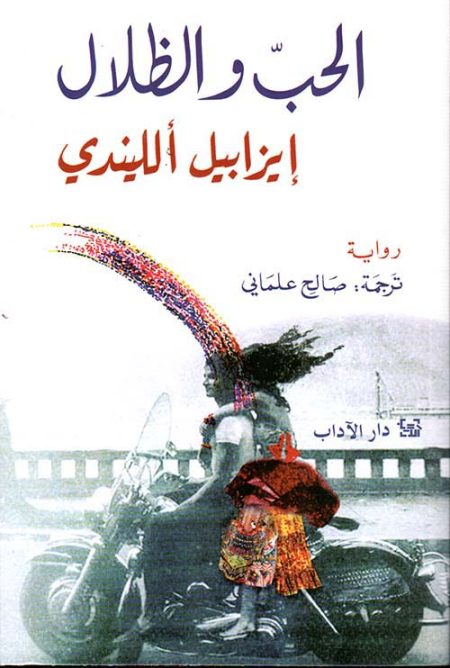
The story revolves around a journalist and a photographer who uncover a world full of secrets and political abuses. Their love story intertwines with their quest for truth amidst an atmosphere of fear and resistance.
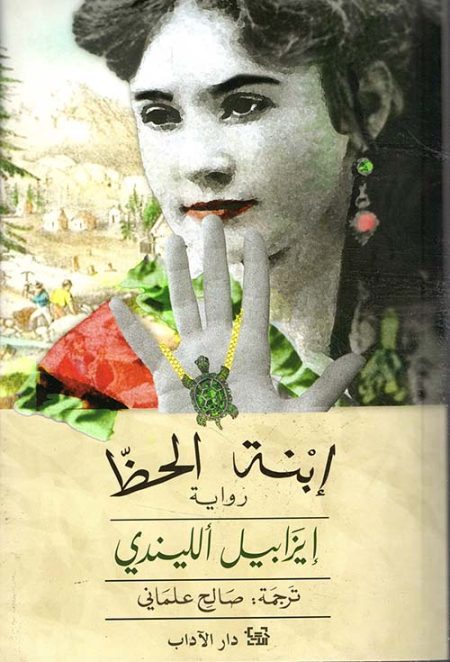
The novel revolves around a young woman’s journey in search of her identity and her lover amidst major historical transformations. She embarks on adventures full of challenges and discovers the power of will and the meaning of freedom and belonging.
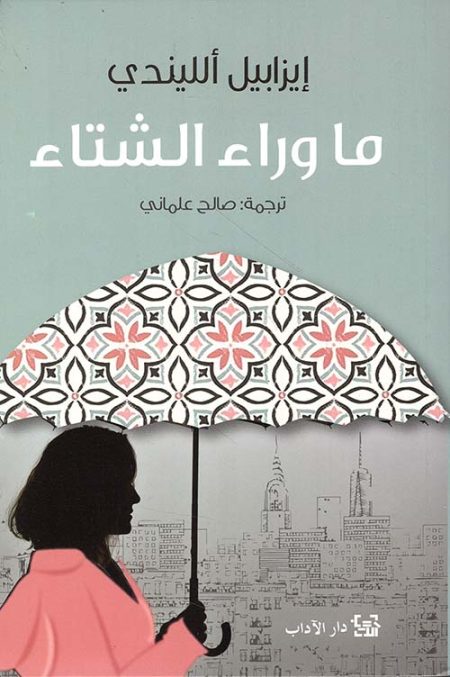
The novel revolves around an unexpected encounter between three people, each carrying a painful past, whose fates intertwine in a human journey of hope, forgiveness, and a new beginning.
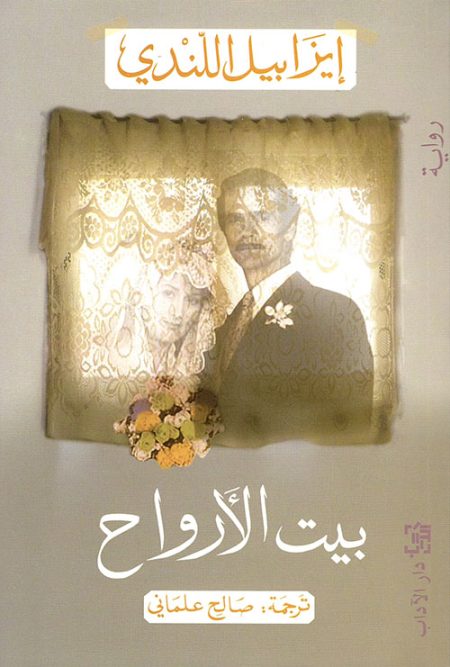
The story revolves around a family history spanning several generations, where tales of love, conflict, and power intertwine with social and political transformations, in a blend that combines realism with magic and human drama.
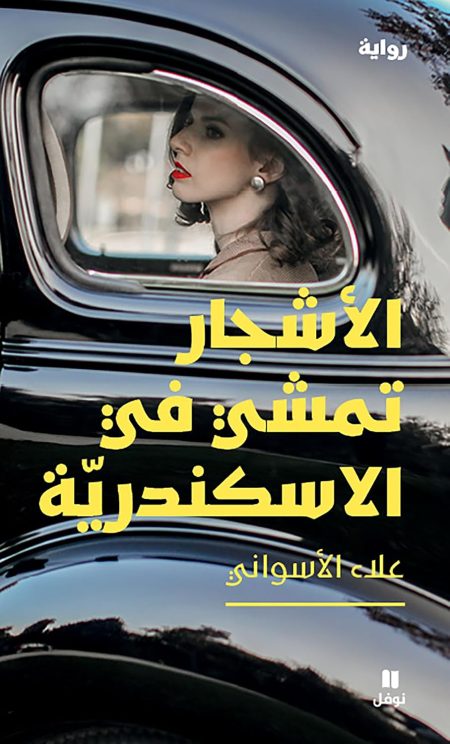
A collection of short stories that chronicles societal transformations and human relationships through diverse characters, in a realistic style that blends everyday details with a profound human dimension.
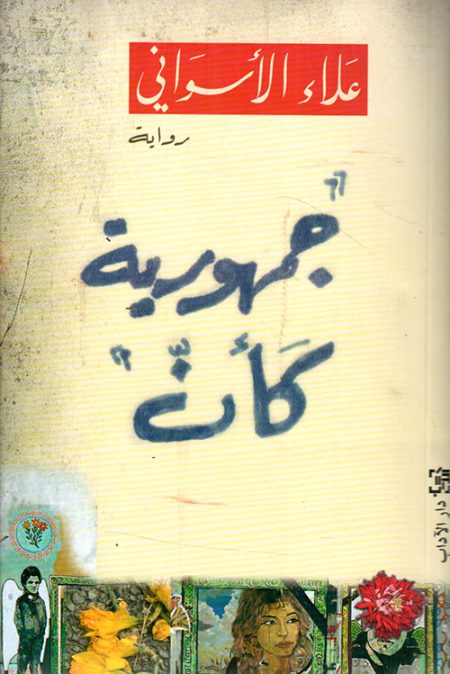
The novel revolves around the political and social transformations after the January Revolution, through multiple characters who reveal the conflict between the authorities and society, and pose profound questions about justice, freedom, and hope.
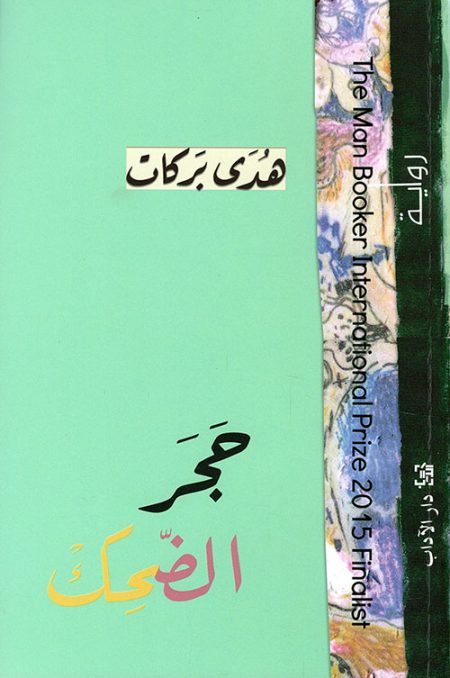
The novel delves into the depths of the human psyche amidst war and social upheaval, exploring identity, fear, loneliness, and complex relationships with profound and moving literary language.
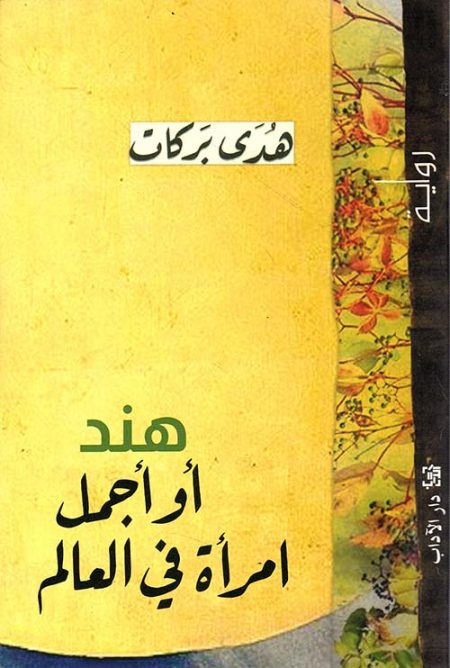
The novel revolves around questions of identity, beauty, and desire, delving into the depths of the human psyche through characters who confront their inner conflicts and complex relationships, in a literary style that blends reflection and reality.
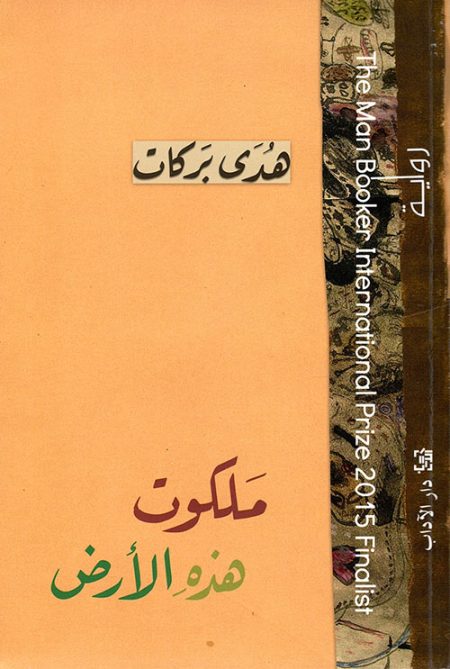
The events unfold in a world dominated by violence and alienation, where the destinies of characters searching for salvation and identity amidst a harsh reality intertwine, in a profoundly human narrative that reveals the fragility of humanity and the power of hope.
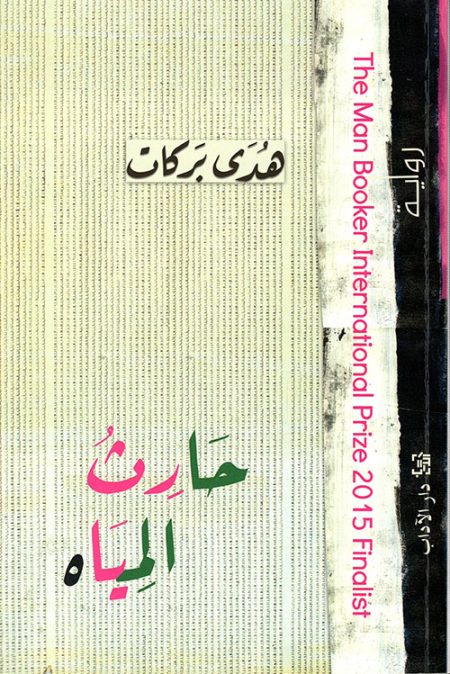
A novel that delves into the depths of the human psyche through characters burdened by memory, exile, and loss, weaving, with a dense literary style, a tale of identity, isolation, and the struggle to cling to life.
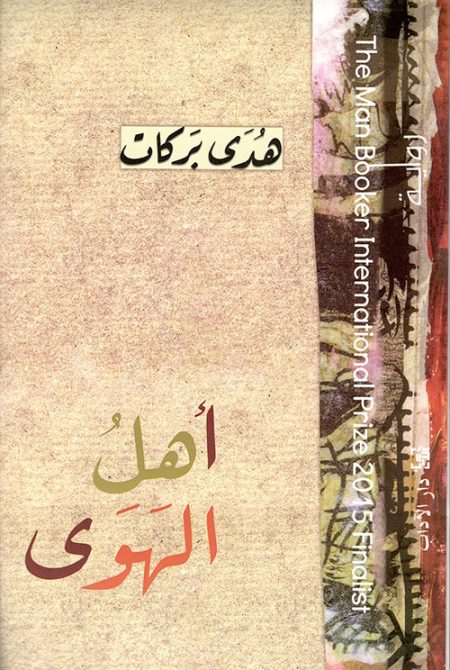
A novel that explores the complexities of love, infatuation, and emotional obsession, delving into the depths of the human psyche and its intricate relationships with a dense literary language that reveals the conflict between desire and reality.
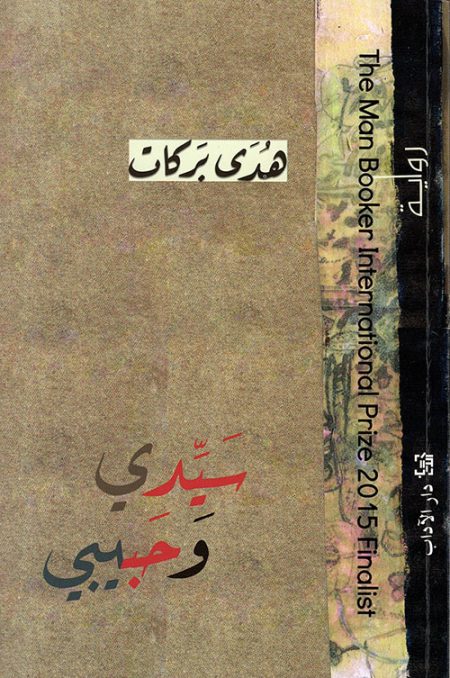
This novel explores the complexities of love, infatuation, and emotional obsession, delving into the depths of the human psyche and its intricate relationships with a dense literary language that reveals the struggle between desire and reality.
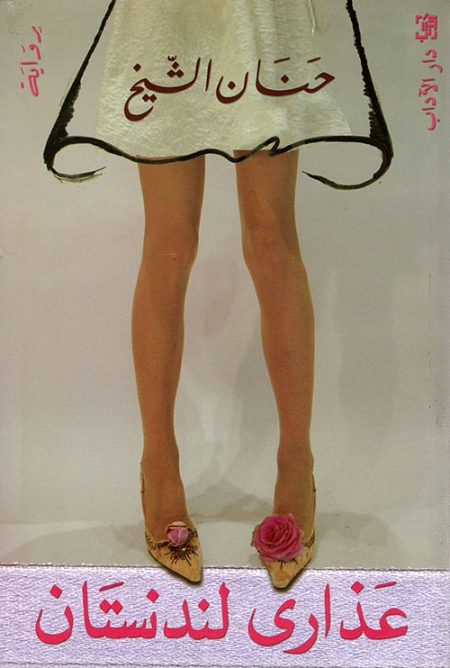
The novel explores the lives of several Muslim women in London, examining the struggles of identity, belonging, religion, and freedom through human stories that reveal the complexities of alienation and cultural differences.
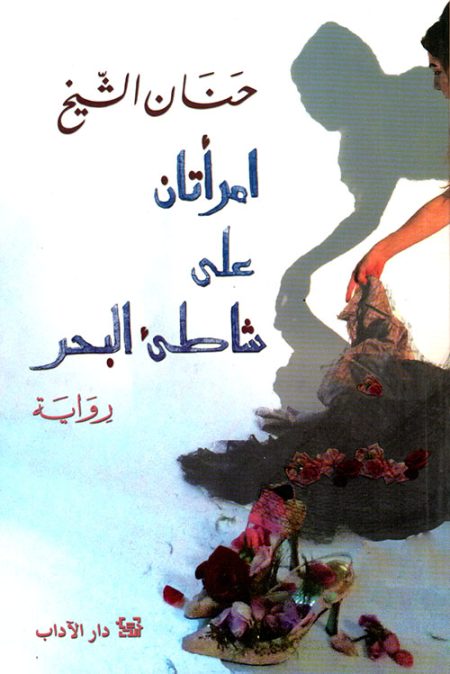
This novel explores the complexities of human relationships and family ties through the encounter of two women whose circumstances have brought them together, revealing their secrets and inner struggles in a journey filled with emotions and questions about love, freedom, and identity.
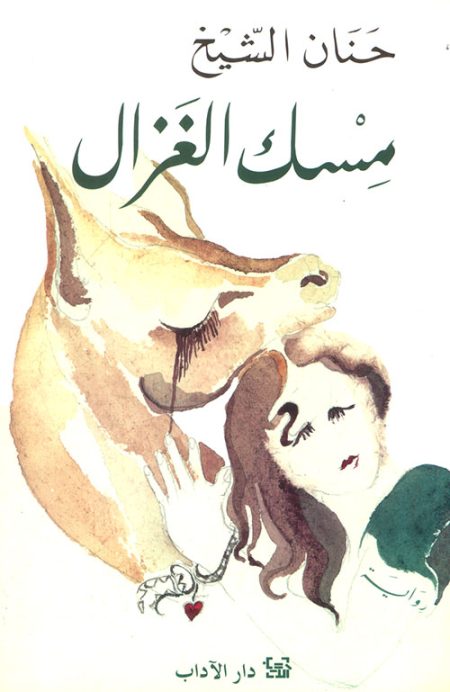
The events revolve around complex human relationships in which desires, memories, and emotional conflicts intertwine, in a narrative that reveals the secrets of the soul and addresses issues of women, identity, and love within Arab society.
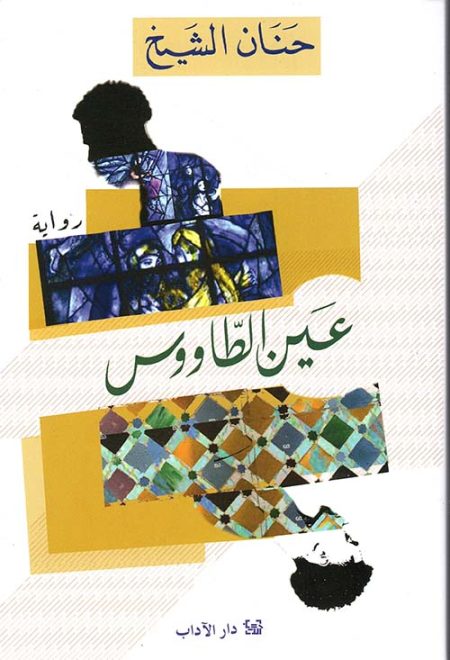
A novel that addresses issues of immigration, identity, and racism through the journey of characters who move between different countries, revealing the struggles of belonging and the search for a more dignified life in a world full of challenges.
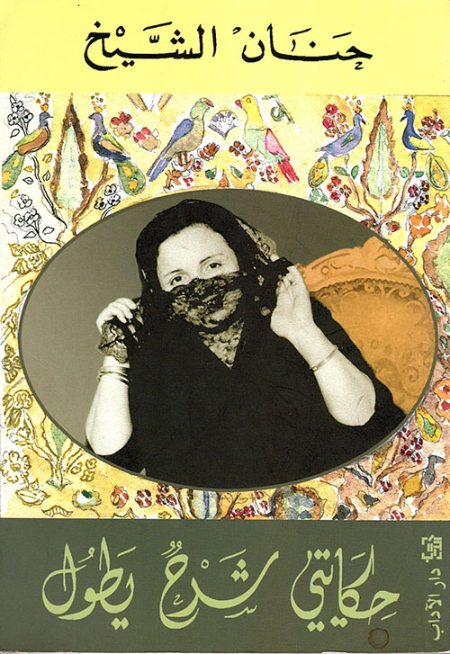
The book revolves around the life of a woman who rebels against social constraints. She embarks on a journey filled with love, loss, and challenges, revealing the details of a family and human life that reflect the reality of women and society in her time.
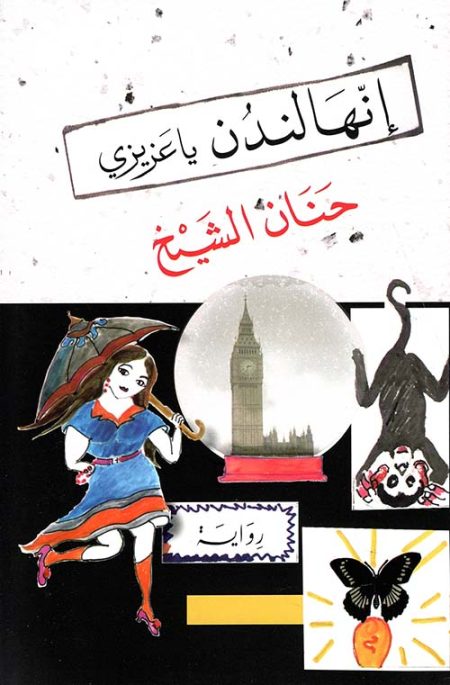
The story unfolds among Arab immigrants whose fates intertwine in London, revealing the struggles of identity, belonging, and human relationships amidst cultural differences and the challenges of alienation.
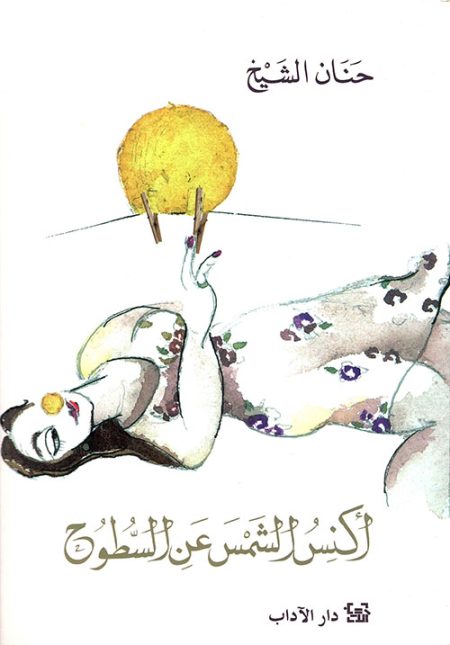
A collection of human stories that capture pain, hope, and the intricate relationships between different characters, in a literary style that touches the heart and reveals the details of daily life with depth and transparency.