962-7983-18423+
24/7 دعم

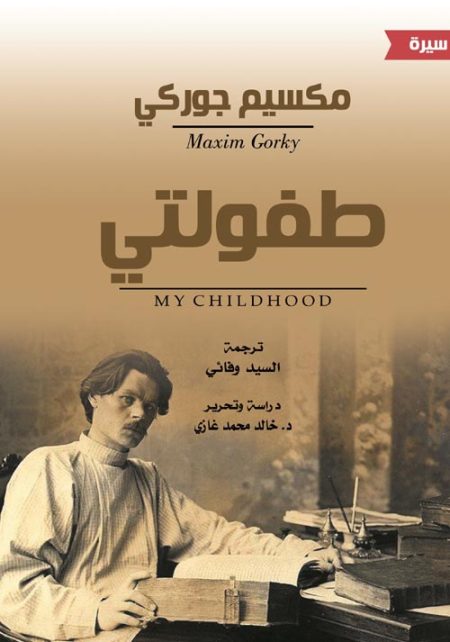
A moving biography of Maxim Gorky that recounts his harsh childhood and the conditions of poverty that shaped his social consciousness.
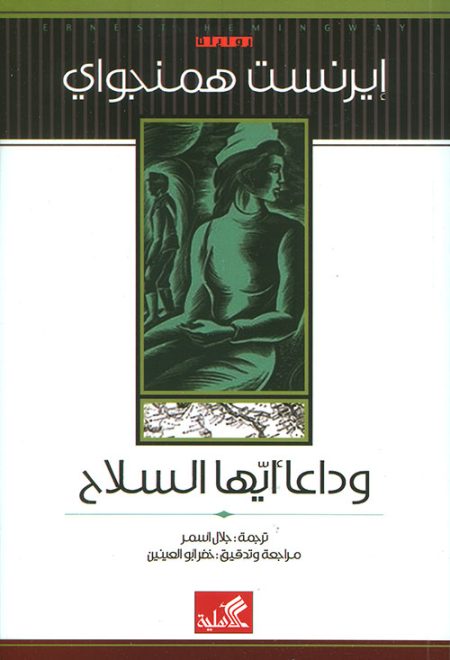
The world breaks everyone, and then many become strong in the broken places
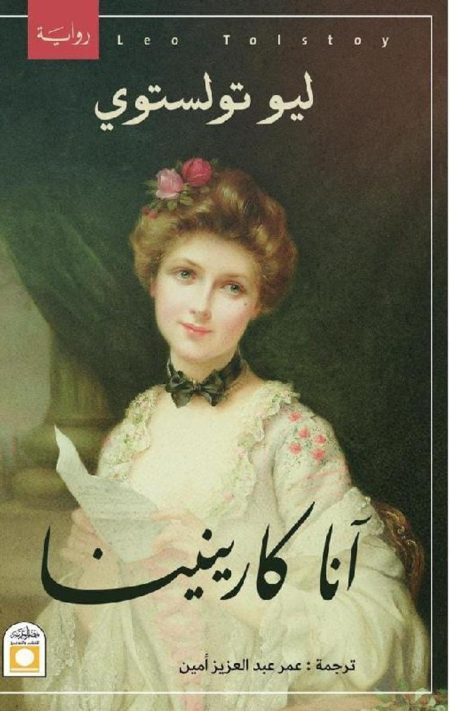
It tells a tragic love story that reflects the social and psychological conflicts in Tsarist Russia.
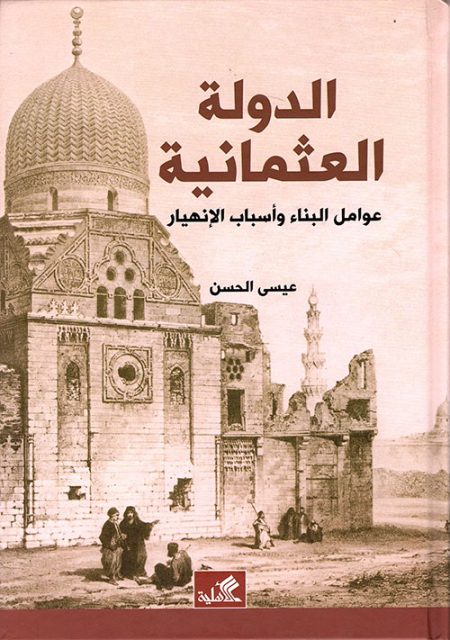
It reviews the history of the Ottoman Empire, explaining the reasons for its strength and expansion, in addition to the factors that led to its weakness and fall, such as internal corruption and external interventions.
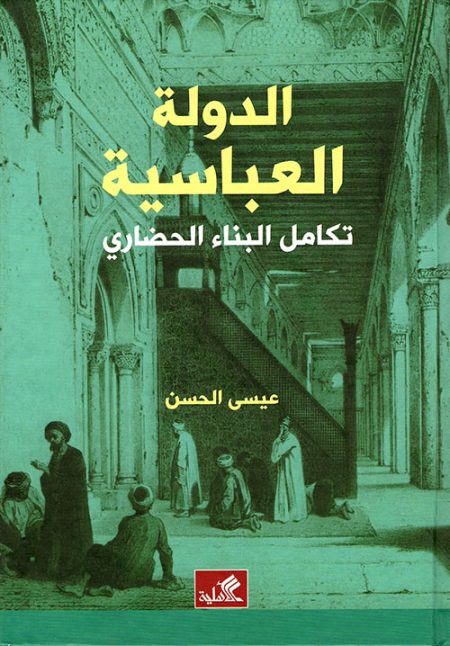
The rise and prosperity of the Abbasid state, highlighting its achievements and the reasons for its weakness and fall.
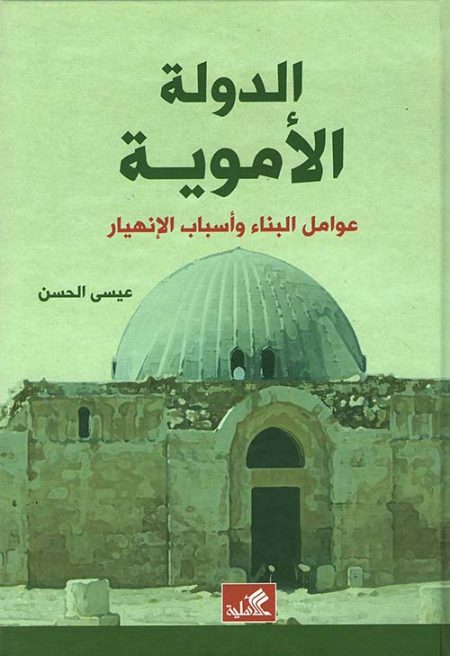
It reviews the history of the Umayyad state, explaining the factors of its strength and prosperity, in addition to the reasons that led to its fall, such as internal conflicts and political unrest.
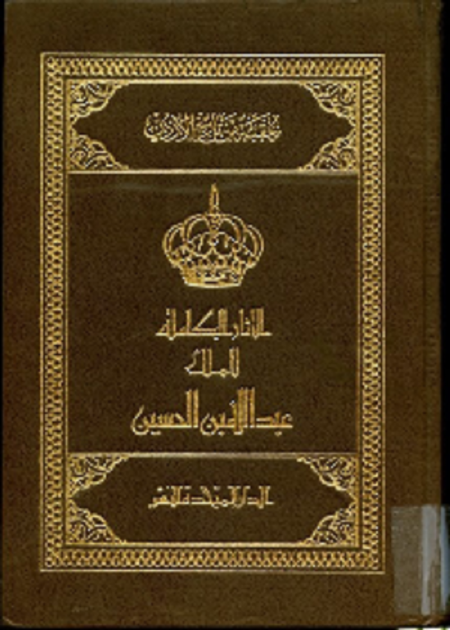
A book containing the literary and political works of King Abdullah I.
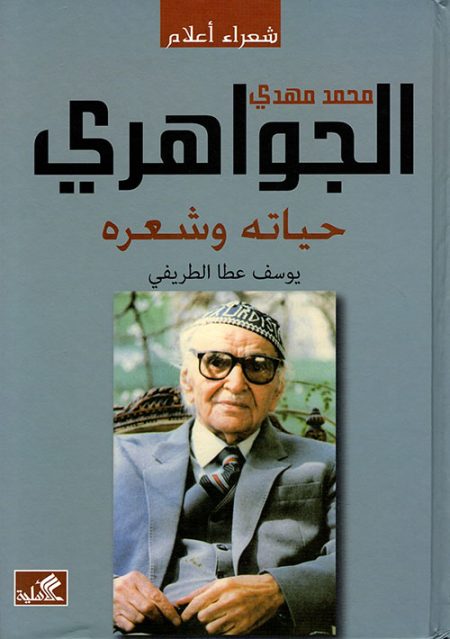
Al-Jawahiri is a poet who combined the magnificence of his words with the richness of his meaning. His voice was an echo of Iraq and its nation.
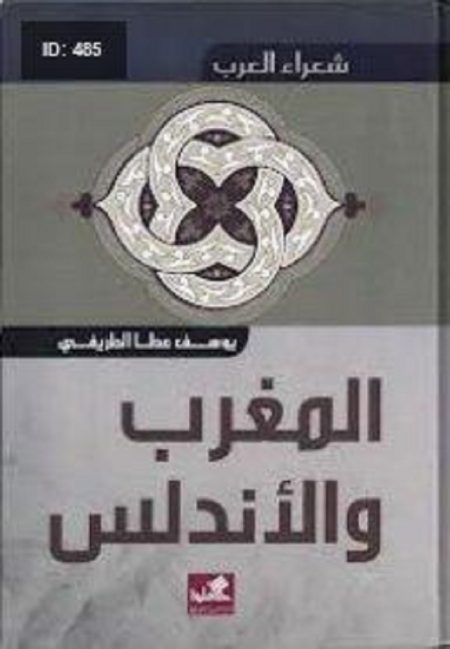
The poets of Morocco and Andalusia have crafted pearls of eloquence, blending the delicacy of the East with the fragrance of Andalusia, and their poetry has become melodies that flow in the hearts.

Set in 15th-century Paris, it focuses on the tragic and complex love story between the main characters, amidst social, religious and political conflicts.
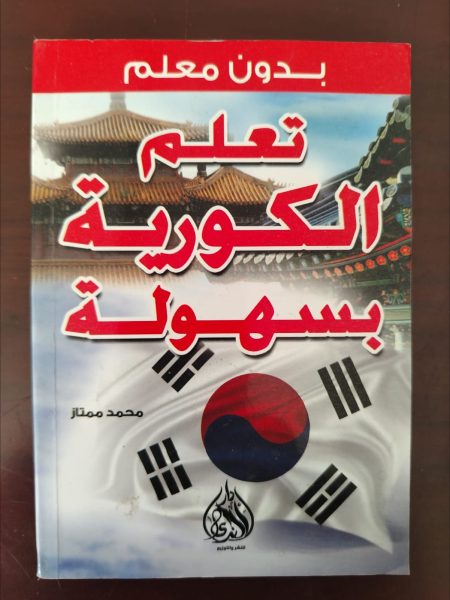
Learn Korean easily without a teacher A book of 150 pages The most commonly used words in: travel – hotels – transportation – metro – plane – mail – café – restaurants – shops – groceries – perfumes – household goods – stationery – library – sports and many more words used in public life
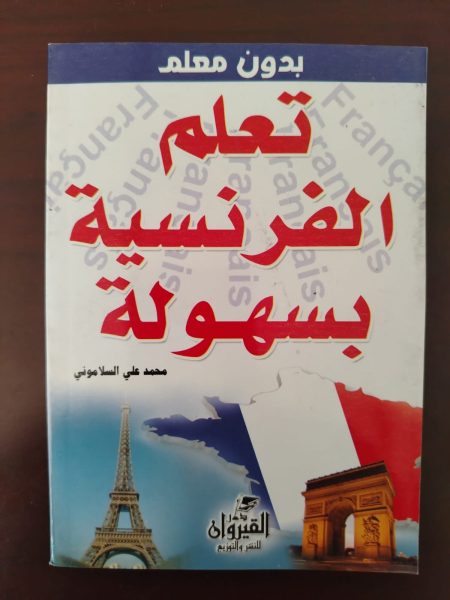
Learn French easily without a teacher A book of 150 pages The most used words in: travel – hotels – means of transportation – metro – plane – mail – café – restaurants – shops – groceries – perfumes – household goods – stationery – library – sports and many more words used in public life
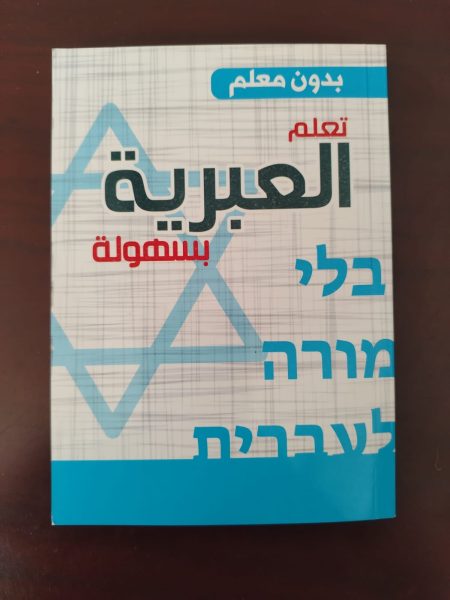
Learn Hebrew easily without a teacher A book of 150 pages The most used words in: travel – hotels – means of transportation – metro – plane – mail – café – restaurants – shops – groceries – perfumes – household goods – stationery – library – sports and many other words most used in public life
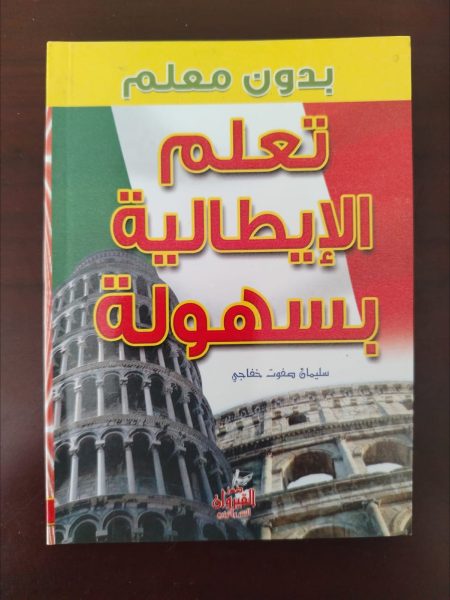
Learn Italian easily without a teacher A book of 150 pages The most used words in: travel – hotels – transportation – metro – plane – mail – café – restaurants – shops – groceries – perfumes – household goods – stationery – library – sports and many more words used in public life
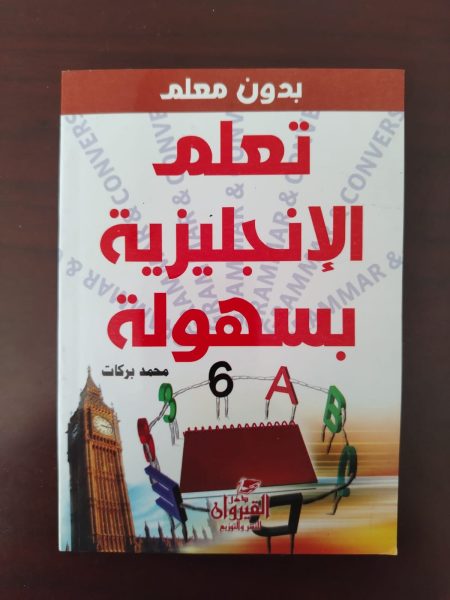
Learn English easily without a teacher A book of 150 pages The most used words in: travel – hotels – transportation – metro – plane – mail – café – restaurants – shops – grocery – perfumes – household goods – stationery – library – sports and many more words used in public life
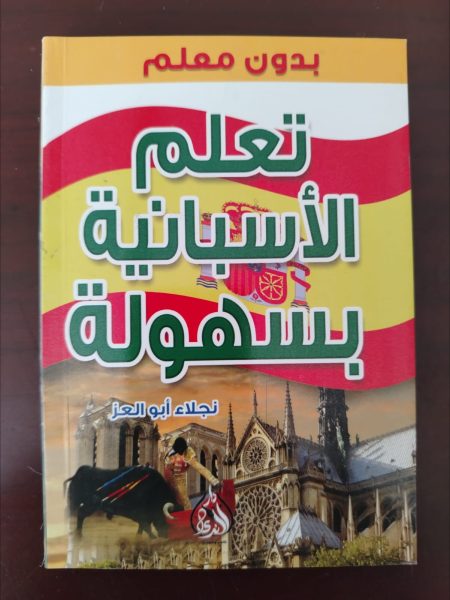
Learn Spanish easily without a teacher A book of 150 pages The most used words in: travel – hotels – transportation – metro – plane – mail – café – restaurants – shops – groceries – perfumes – household goods – stationery – library – sports and many more words used in public life
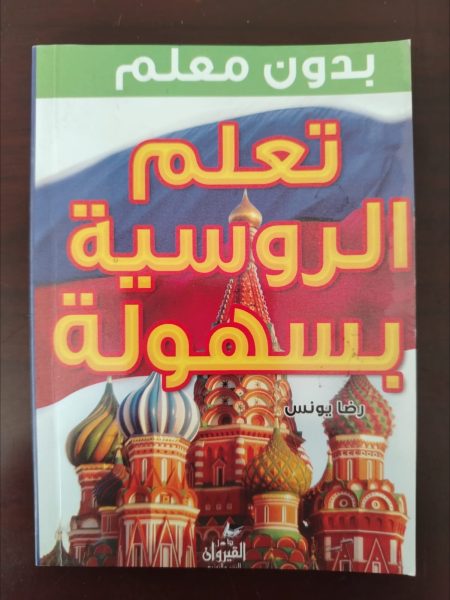
Learn Russian easily without a teacher A book of 150 pages The most commonly used words in: travel – hotels – means of transportation – metro – plane – mail – café – restaurants – shops – groceries – perfumes – household goods – stationery – library – sports and many more words used in public life
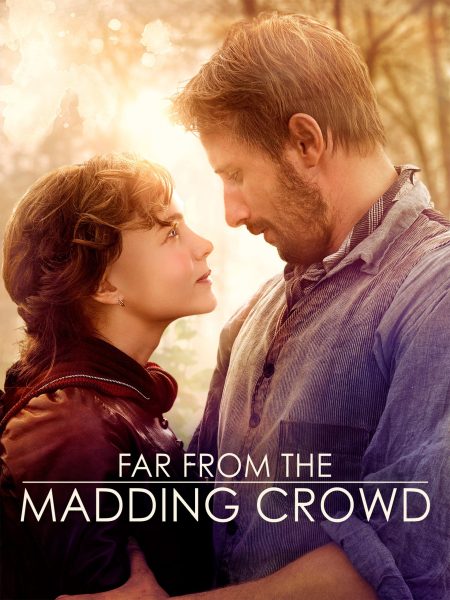
Far from the Madding Crowd is a story of love and conflict set in the English countryside, as Bathsheba Everdeen encounters three men who reflect different paths of love and destiny.
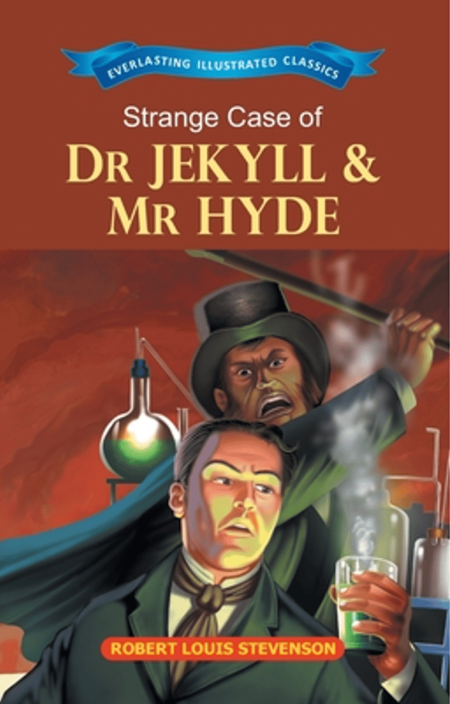
It is a famous novel by Robert Louis Stevenson, which deals with the conflict between good and evil within the human soul through the character
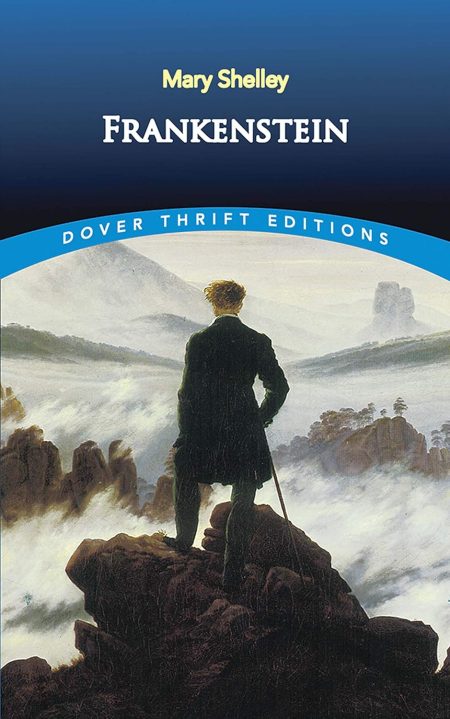
Mary Shelley’s Frankenstein is a stunning blend of horror and science fiction, exploring the limits and ethics of science through the tragedy of a scientist obsessed with raising the dead.