962-7983-18423+
24/7 دعم

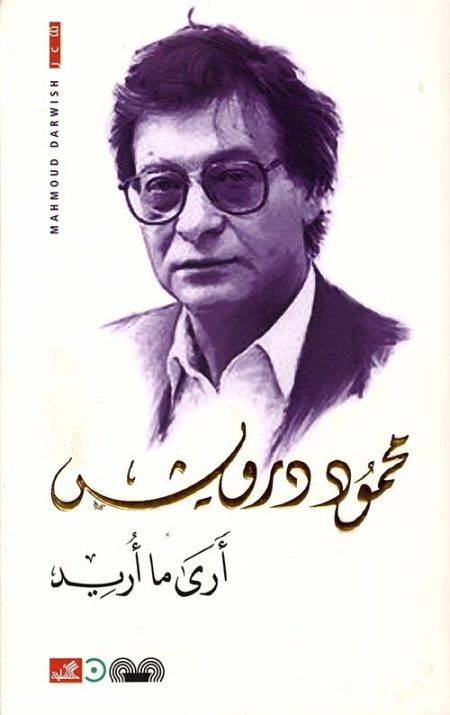
Mahmoud Darwish is a collection of poetry that pulsates with deep contemplations about the self and existence, as Darwish weaves his visions in a poetic language that carries a mixture of dream and reality.
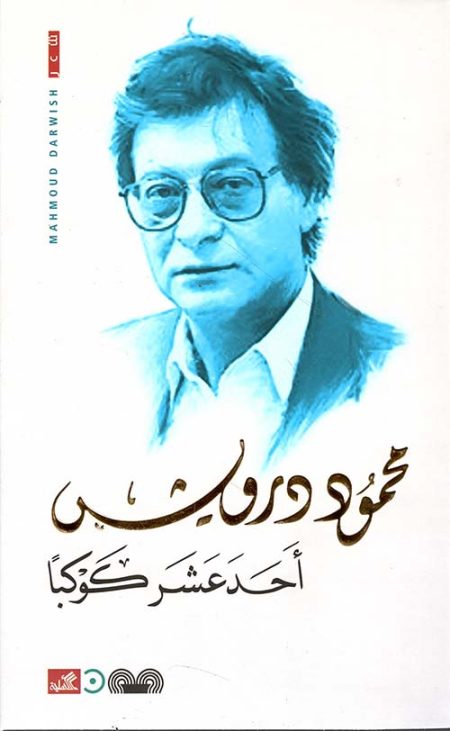
It is an epic poetic meditation in which he evokes the Palestinian Nakba in a deeply symbolic style, mixing nostalgia, sadness, and hope for the restoration of land and identity.
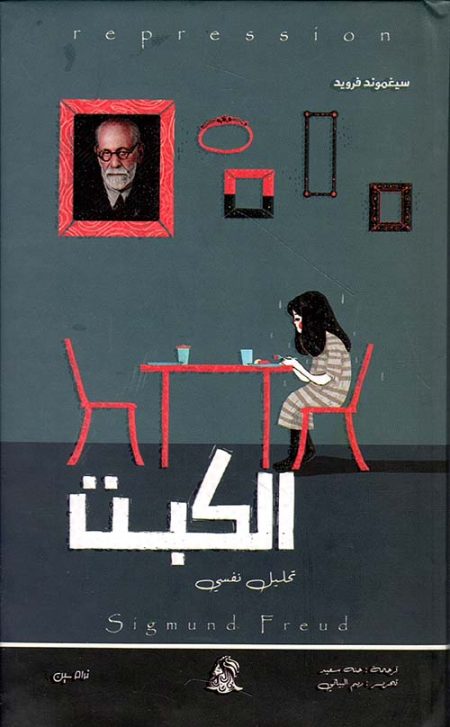
It deals with the impact of psychological repression on human behavior, explaining how socially unacceptable desires and feelings are repressed in the subconscious.
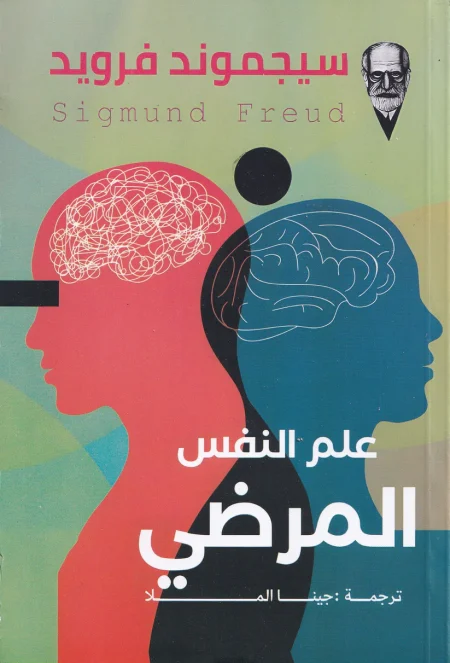
It focuses on the study of psychological disorders and abnormal behaviors, addressing their causes, symptoms, and methods of diagnosis and treatment, while providing a deep scientific understanding of psychological processes and their impact on mental health.
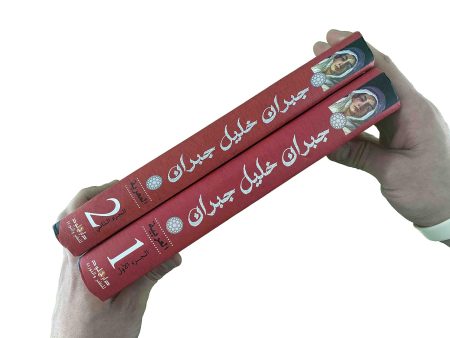
It is a collection that includes the most prominent works of the Lebanese writer and philosopher Gibran Khalil Gibran, where he moves between poetry and prose in his deep style full of wisdom and spiritual contemplations.
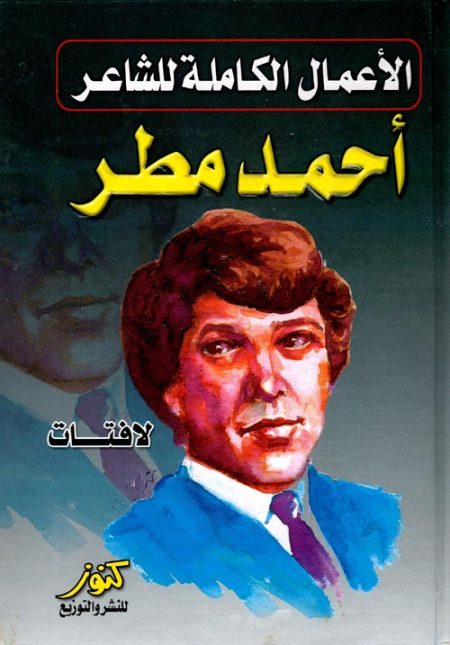
It includes bold poems that mix sarcasm and symbolism, expressing issues of freedom and social and political injustice
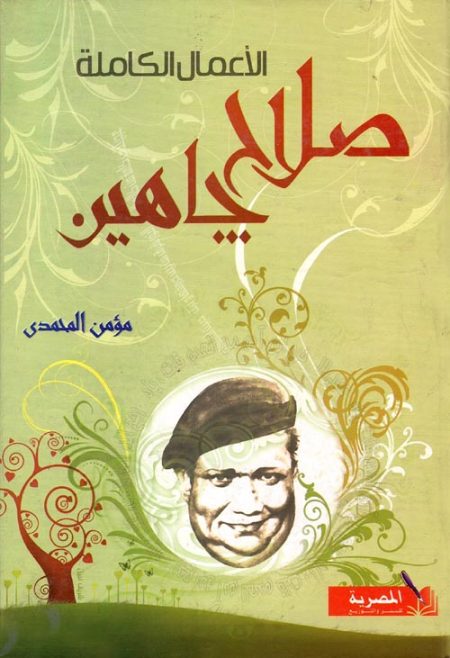
It embodies the poet’s creativity in addressing issues of life and the homeland in a style that combines simplicity and depth, with a humorous spirit and moving poetic music.
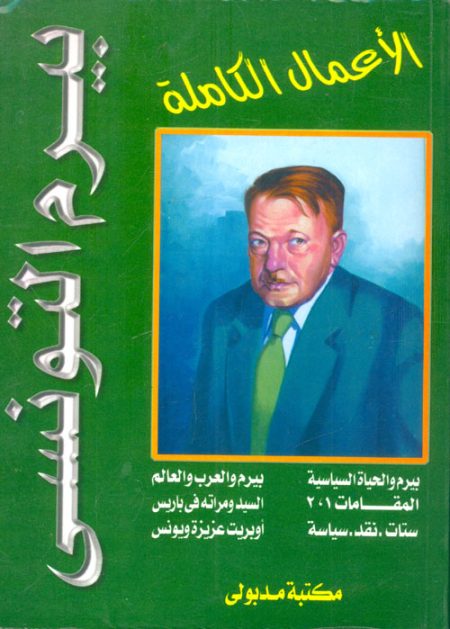
This is a comprehensive collection of poems and works by the Egyptian poet and playwright Bayram Al-Tunsi, who was distinguished by his satirical and critical writings of society.
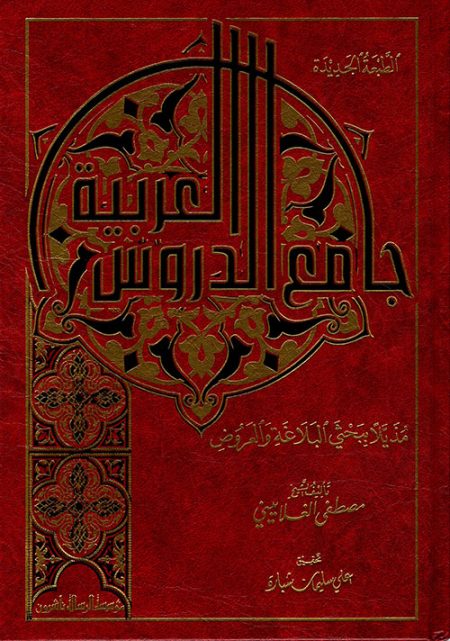
It is a comprehensive reference in Arabic grammar, providing a detailed explanation of the principles of grammar and morphology in a simple and clear style.
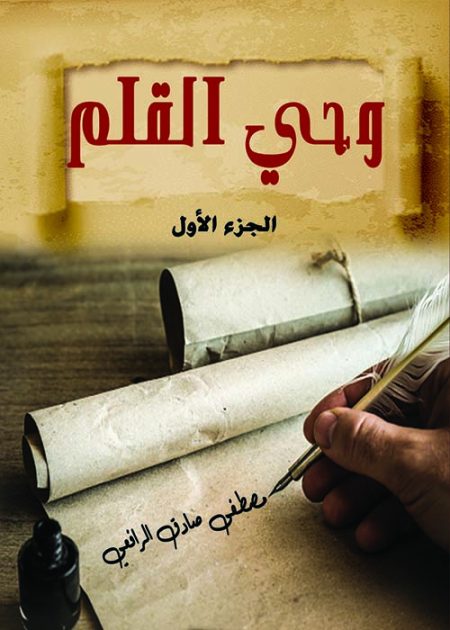
It is a book that includes a collection of literary and intellectual articles written in a high literary style, in which the author addresses social and philosophical issues in a deep contemplative style.
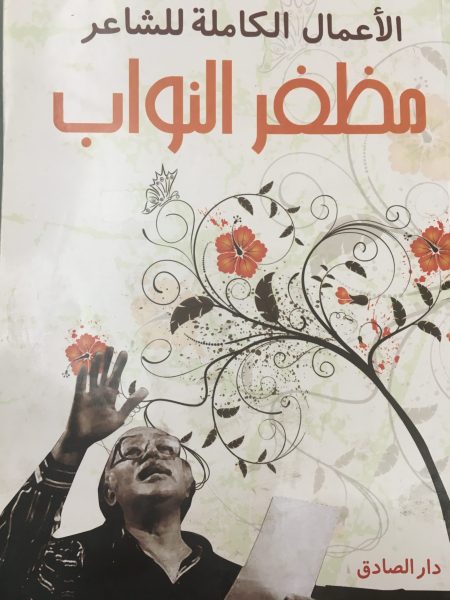
It is a comprehensive collection that includes his poems that reflect the concerns and hopes of the Arab nation, with his strong and distinctive style in expressing the issues of the homeland and humanity.
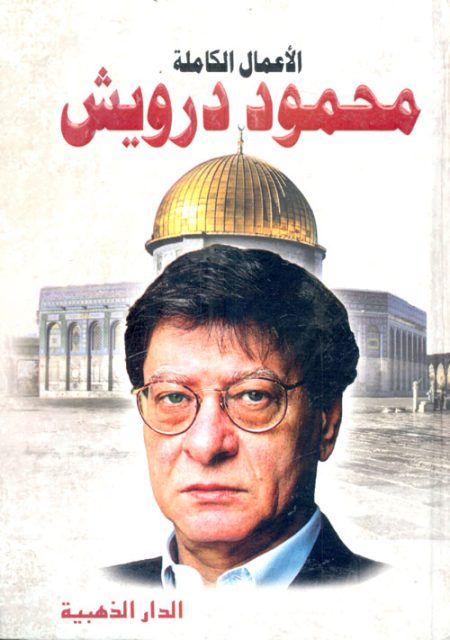
It is a comprehensive collection that includes all of his poetic and prose works, reflecting the issues of identity, homeland and humanity in a deep emotional and philosophical language.
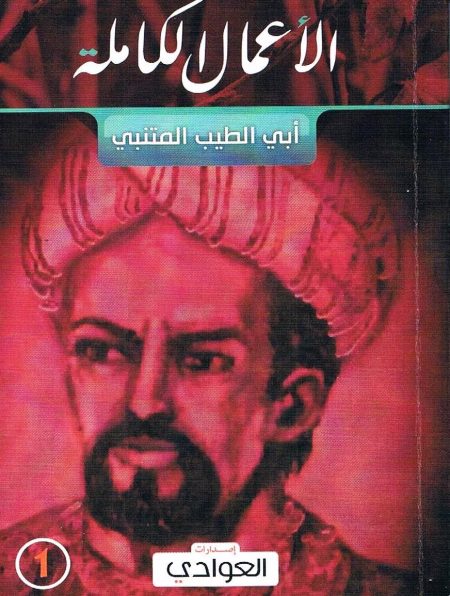
It collects the greatest poems of the unique Arab poet, demonstrating his linguistic genius, his philosophy of life, ambition, and courage.
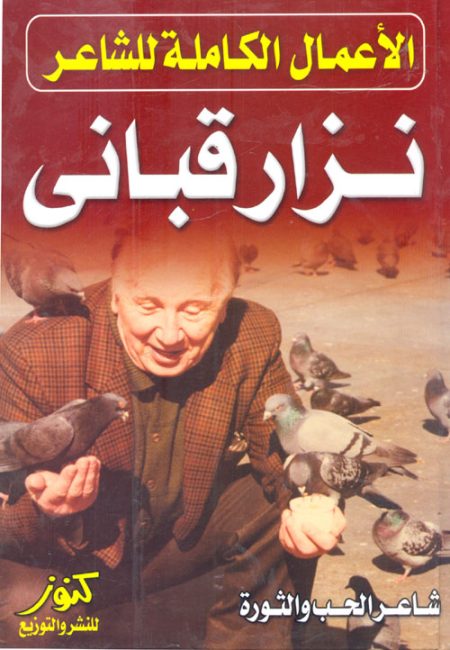
A collection of poetry that expresses love, women, and politics, blending romance and social protest in a distinctive poetic style.
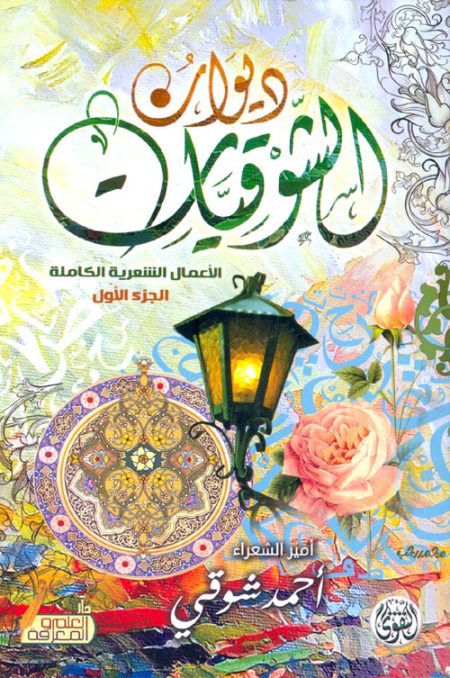
It is a distinctive collection of poetry that blends pride, nostalgia, and national and social issues in a sophisticated and innovative style.
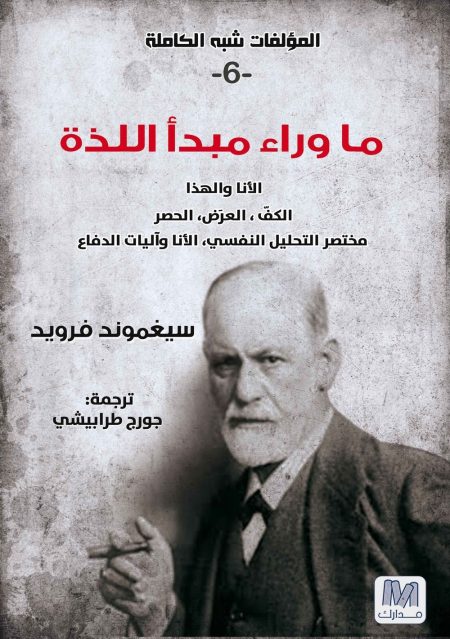
Discussing psychological forces that go beyond the search for pleasure, Freud introduces the concept of the “death instinct” alongside the life instinct, explaining human tendencies toward repetition, destruction, and suffering as part of a deep internal conflict within the human psyche.
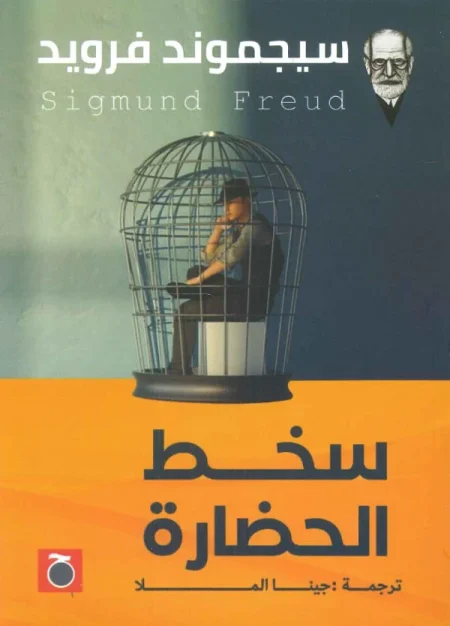
It discusses the conflict between man’s instinctive desires (such as freedom and pleasure) and the demands of civilization that impose restrictions on these desires to maintain social order.
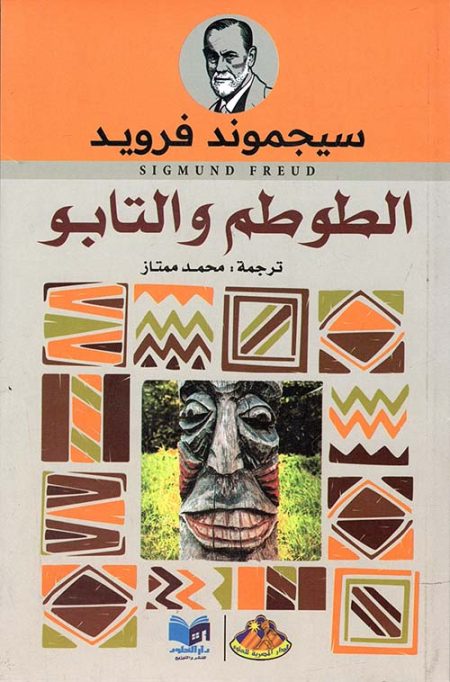
He relied on psychoanalytic theories to explain the development of religion, morality, and social relations, comparing the early stages of humanity to the depths of the human psyche.
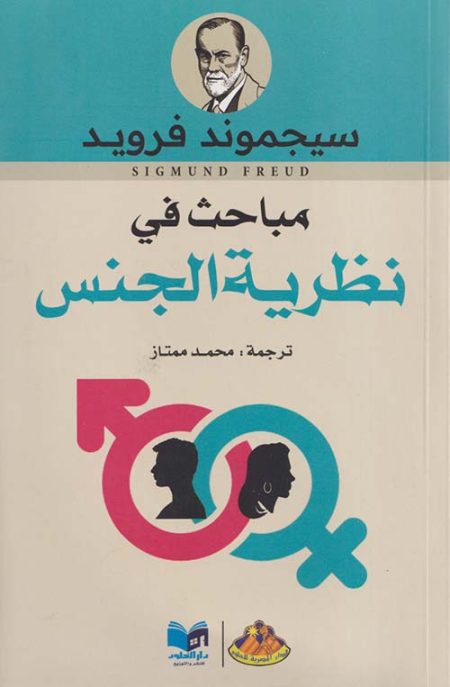
It highlights how power uses the concept of gender as a tool of social control, by linking historical knowledge and discourses about the body and desire.
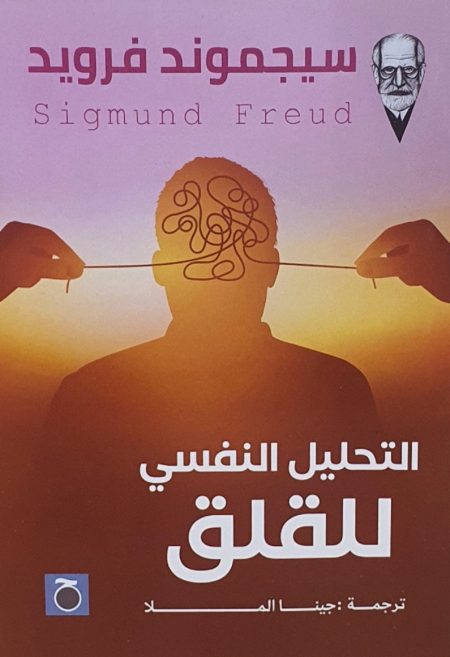
Understanding anxiety from a psychoanalytic perspective. On the psychological causes of anxiety and how to treat it within psychotherapy