962-7983-18423+
24/7 دعم

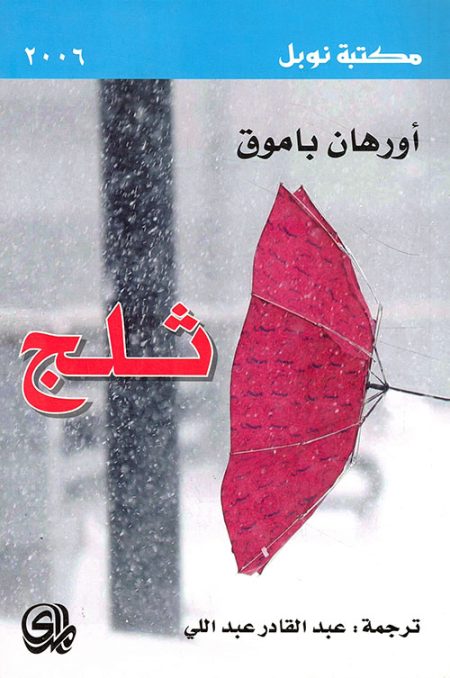
The novel is set in a snow-covered, isolated Turkish city, where a poet arrives to investigate a series of suicides among young women, finding himself caught in a complex conflict between politics, religion, identity, and love.
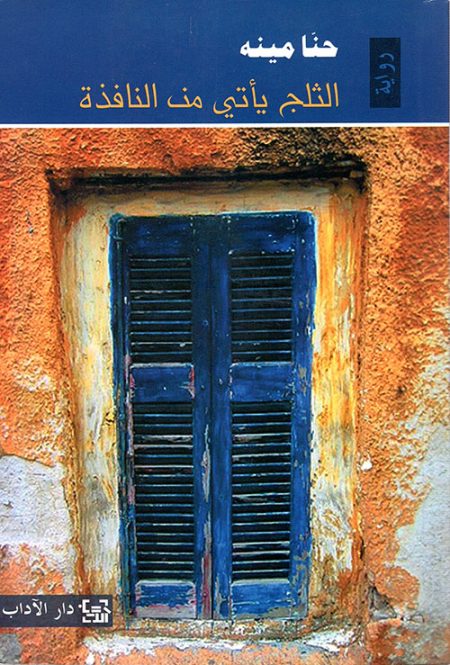
The story of a man besieged by oppression and isolation, facing prison not merely as walls, but as a harsh test of dignity and awareness. A profound narrative that reveals how pain and hope seep together into the soul in the harshest of circumstances.
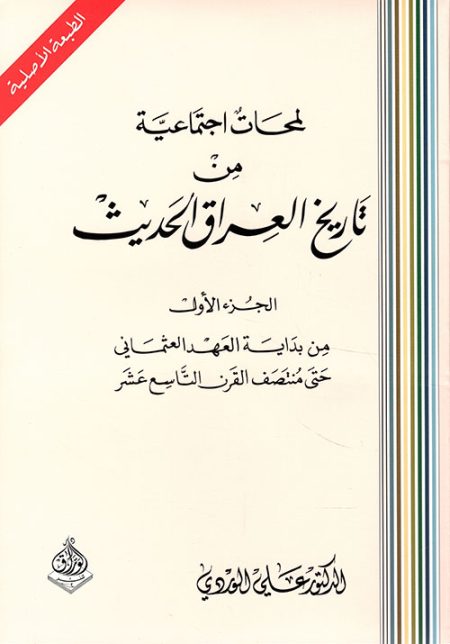
An encyclopedic work that studies the transformations of Iraqi society in the modern era, analyzing the social structure, intellectual and political conflicts and their impact on shaping the history of modern Iraq in an analytical style that combines history and sociology.
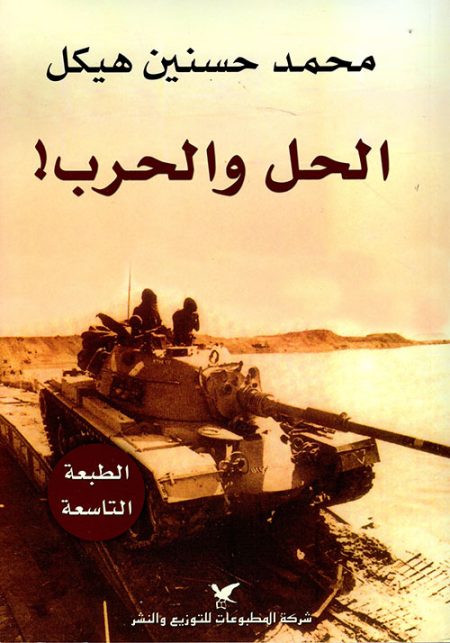
This in-depth analytical presentation of the political and military conflicts in the Middle East offers a comprehensive view of the behind-the-scenes decisions of major powers and how they have impacted the balance of power in the region.
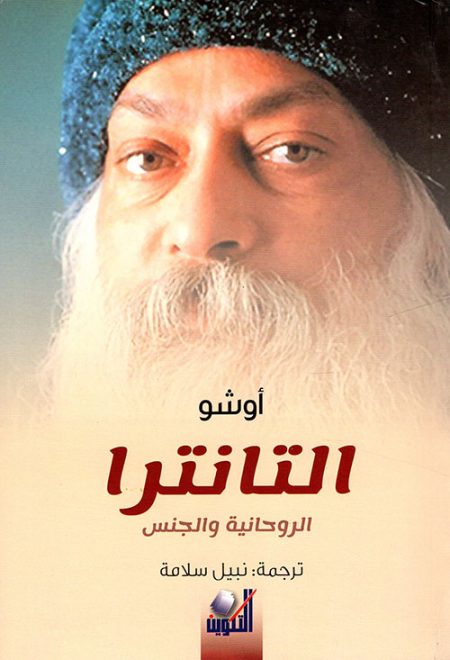
This book explores the philosophy of Tantra, which sees sexual energy as a path to deep spiritual awareness, presenting a different vision of the relationship between body and soul and considering love and awareness as means to achieve inner liberation.
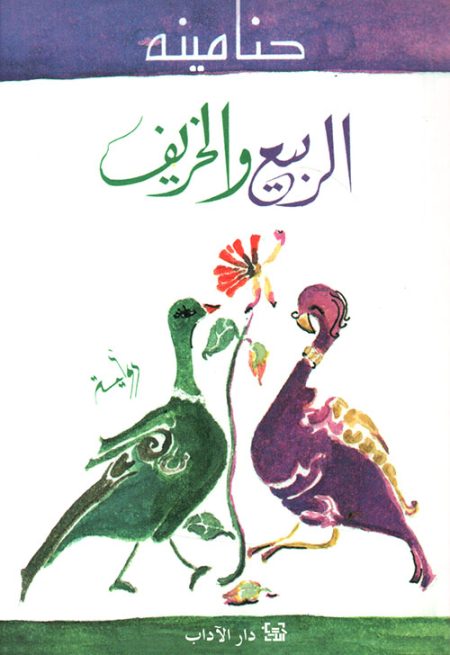
A novel that explores transformations The book explores the human condition between strength and vulnerability, and examines the struggle of humanity with time and social reality through characters who experience the ups and downs of life, between hope and despair, in a profound and contemplative language.
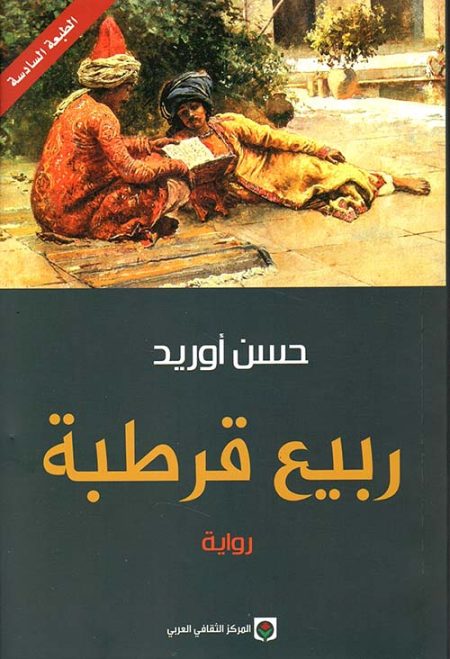
Hassan Aourid’s book “The Spring of Cordoba” explores a golden age in the history of Andalusia, shedding light on the culture, scientific, and intellectual life in Cordoba during its heyday. The author blends historical narrative with social analysis to present a vivid picture of the history of Muslims in Andalusia and their astonishing achievements.
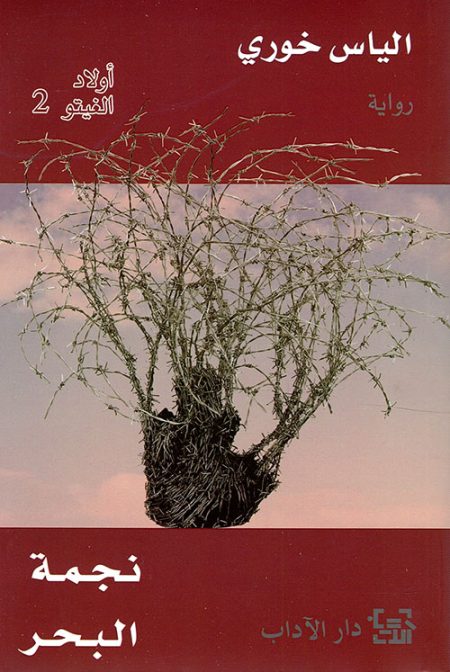
A story that weaves together the threads of Palestinian memory with the wounds of exile, where human destinies intersect with major questions about justice and freedom. This text reveals the fragility of human existence in the face of loss and alienation.
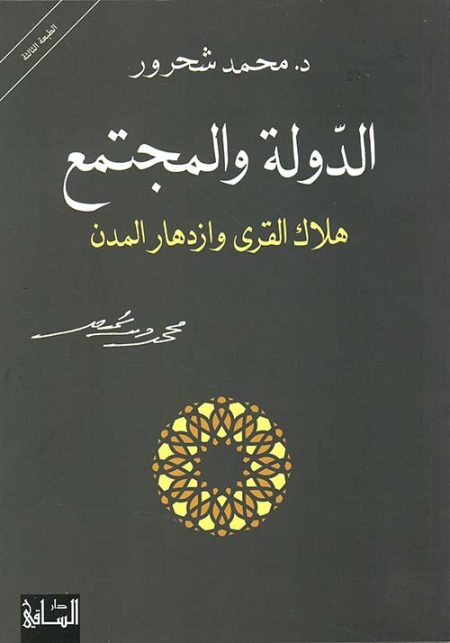
The book addresses the complex relationship between the development of human societies and the structure of the state, analyzing how the shift from villages to cities leads to radical changes in social and political values and systems. It offers a contemporary intellectual perspective that connects religious texts with the laws of human civilization to understand the rise and fall of civilizations.
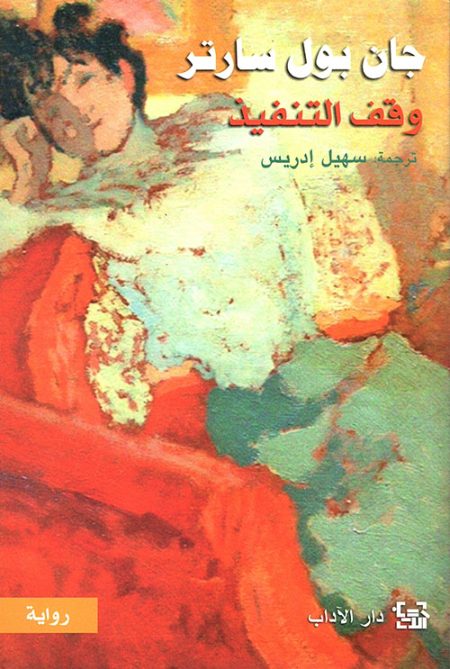
The novel explores the psychological and moral conflicts of the characters amidst tragic circumstances, exploring questions about freedom and responsibility. This philosophical text highlights the tension between the individual and society and the moral pressures surrounding them.
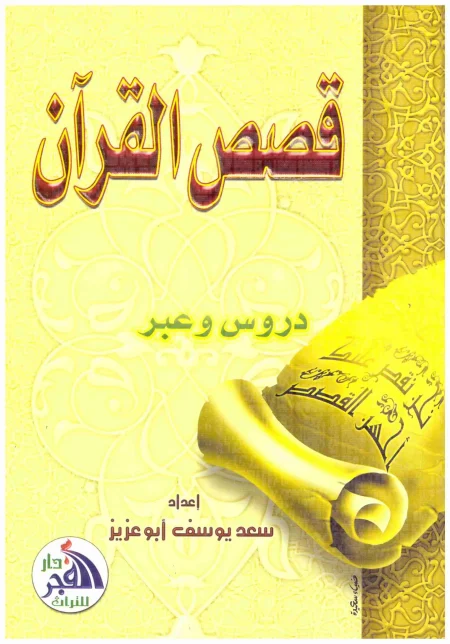
This book presents stories inspired by the Quran in a simple narrative style that highlights faith-based and moral values, and makes Quranic meanings accessible to the reader in a clear and impactful way suitable for all ages.
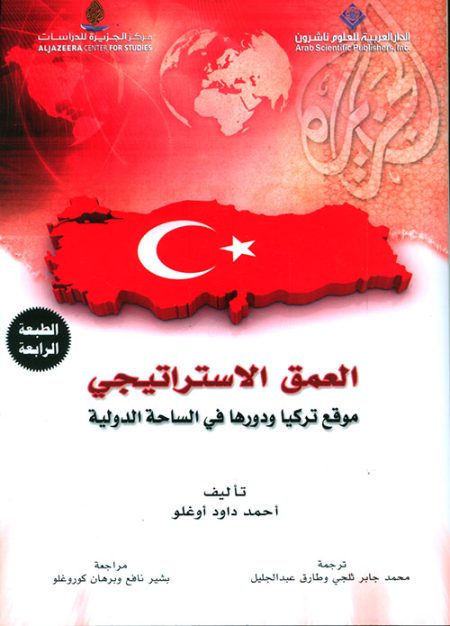
This intellectual and political study presents a comprehensive vision of Turkey’s geopolitical position and its regional and international role, and explains the concept of “strategic depth” as a framework for understanding its actions in its immediate and global environment.
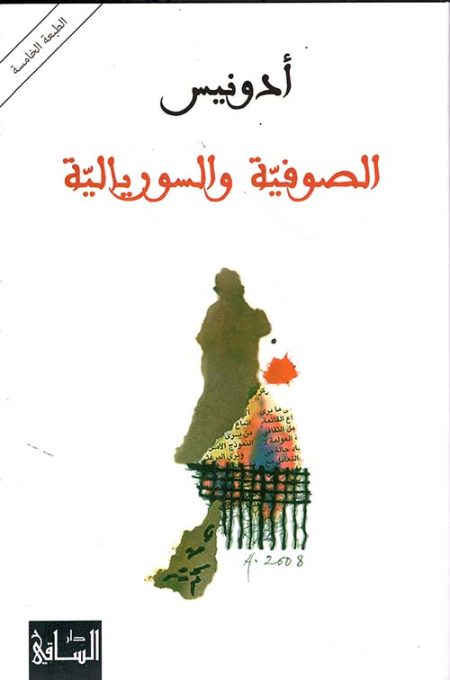
This intellectual study connects the Sufi experience with the Surrealist vision, revealing the convergence of spiritual imagination and artistic creation. The work offers a profound reading of humanity’s relationship with the Absolute through poetry, art, and thought.
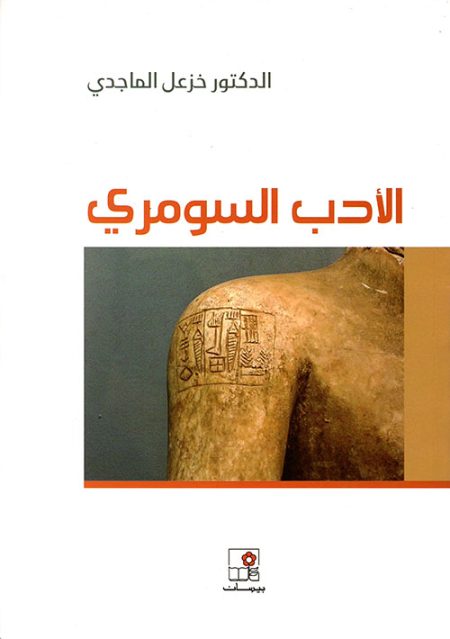
It is a comprehensive study that examines the literary output of the Sumerian civilization, presenting its texts, myths, and poetry while analyzing their historical and intellectual context, thus revealing the roots of narrative and poetry in the oldest civilizations of Mesopotamia.
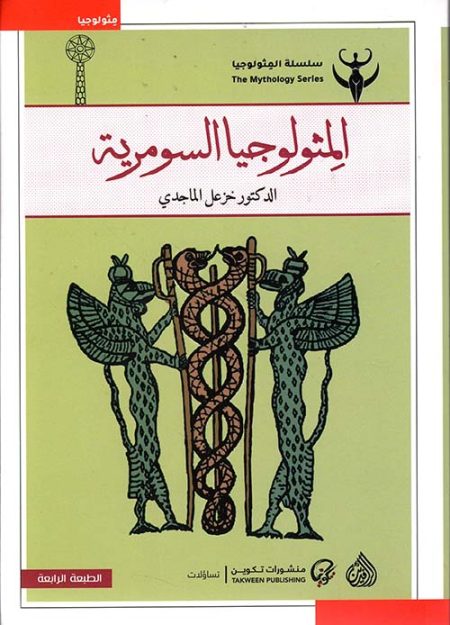
The book explores the world of Sumerian mythology as humanity’s first attempt to understand the universe and existence. It presents its gods, rituals, and tales of creation and death in an analytical style that connects myth to ancient human thought, revealing the roots of later beliefs and civilizations.
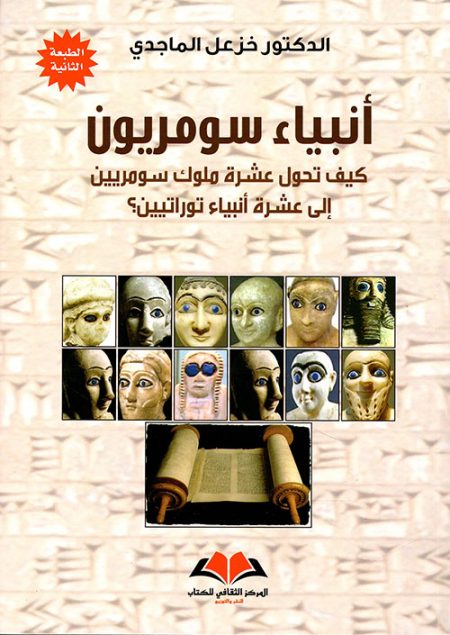
A historical-scientific analysis explores the origin of the first ten patriarchs/prophets in the Torah by comparing their figures with kings who ruled the ancient Sumerian cities, and it proposes that the Torah transformed these kings into prophets through religious narrative. The book presents archaeological evidence and research methodologies to reread those figures in light of the history of the civilizations of Mesopotamia.
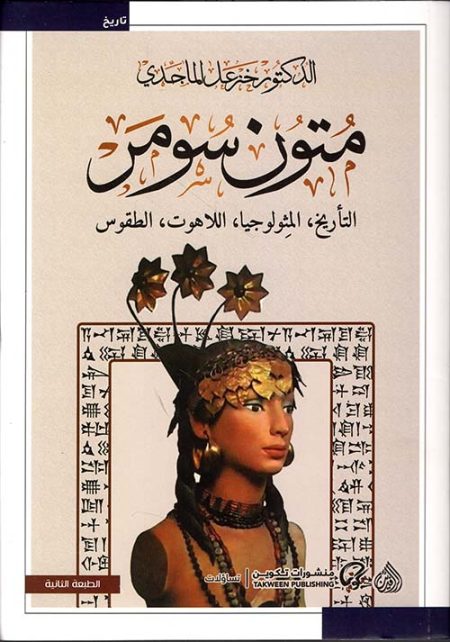
It presents translated and critically edited Sumerian texts that reveal the mythological and intellectual structure of the oldest written civilization in history, showcasing the epics, hymns, and poems that shaped the religious and symbolic consciousness of Mesopotamia.
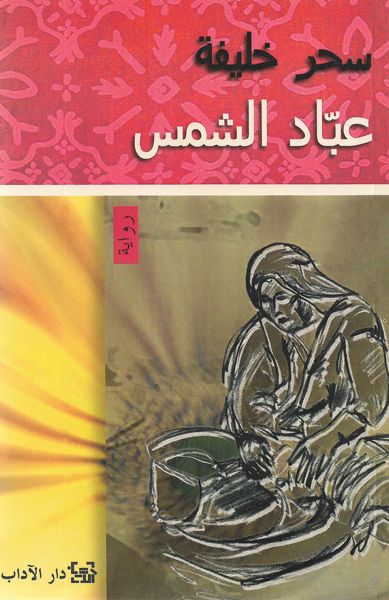
This narrative explores the transformations of Palestinian society under oppression and occupation, through characters experiencing an internal struggle between despair and hope, searching for dignity and freedom amidst a harsh social and political reality.
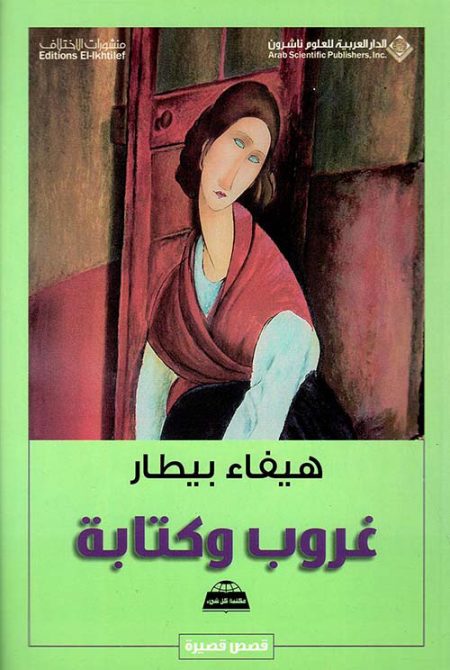
A book that explores the relationship between writing and the human experience, highlighting internal conflicts and cultural identity. It presents reflective texts that blend personal narratives with critical reflection on literature and society.
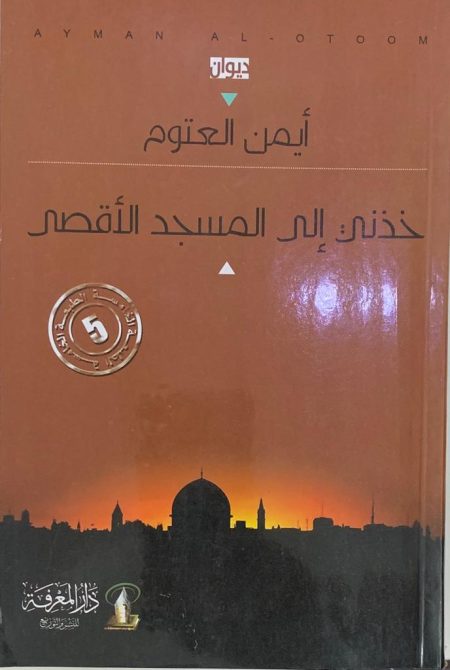
A literary text charged with spirit and faith, taking the reader on an emotional journey to Jerusalem, where longing blends with resistance, and the holy place becomes a compass for identity, awareness, and human dignity.