962-7983-18423+
24/7 دعم

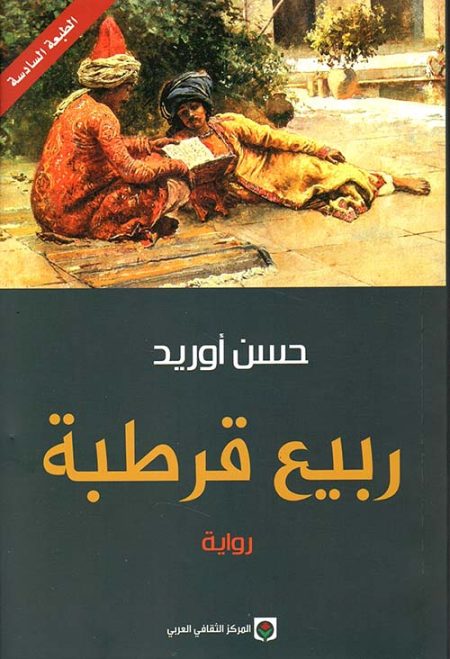
Hassan Aourid’s book “The Spring of Cordoba” explores a golden age in the history of Andalusia, shedding light on the culture, scientific, and intellectual life in Cordoba during its heyday. The author blends historical narrative with social analysis to present a vivid picture of the history of Muslims in Andalusia and their astonishing achievements.
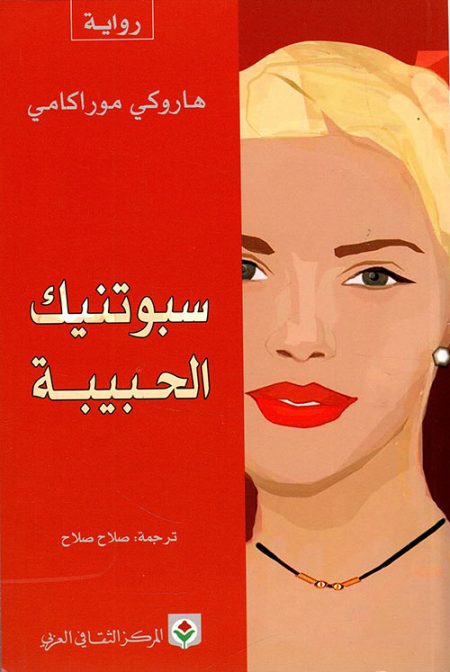
A novel that revolves around isolation, love, and the search for self, where human relationships intertwine in a mysterious and dreamy way, and emotions blend with loneliness and existential questions in a calm and contemplative atmosphere.
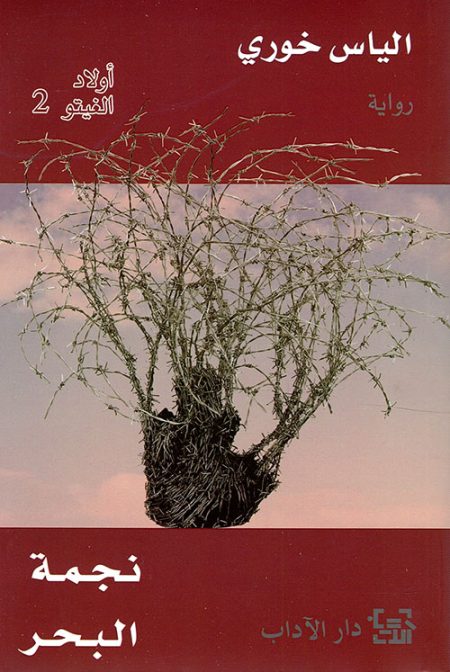
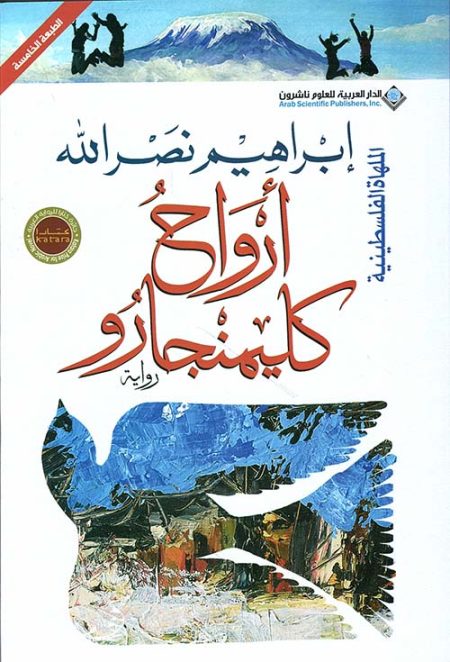
A story that weaves together the threads of Palestinian memory with the wounds of exile, where human destinies intersect with major questions about justice and freedom. This text reveals the fragility of human existence in the face of loss and alienation.
The book addresses the complex relationship between the development of human societies and the structure of the state, analyzing how the shift from villages to cities leads to radical changes in social and political values and systems. It offers a contemporary intellectual perspective that connects religious texts with the laws of human civilization to understand the rise and fall of civilizations.
This book provides a practical introduction to computer-aided statistical applications using SPSS software, with a simplified explanation of statistical methods, how to implement them, and how to analyze the results in an applied manner.
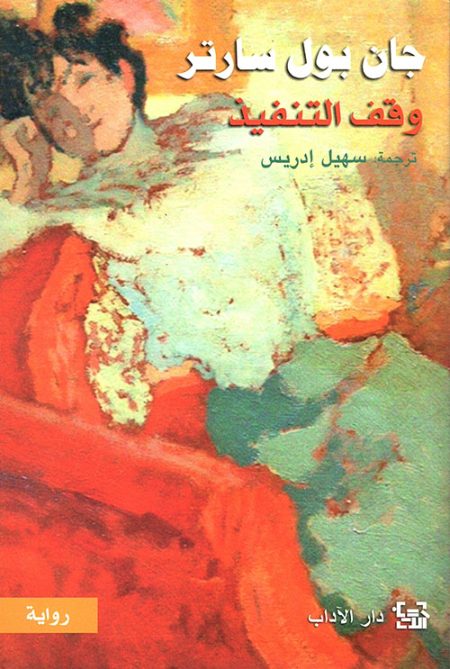
The novel explores the psychological and moral conflicts of the characters amidst tragic circumstances, exploring questions about freedom and responsibility. This philosophical text highlights the tension between the individual and society and the moral pressures surrounding them.
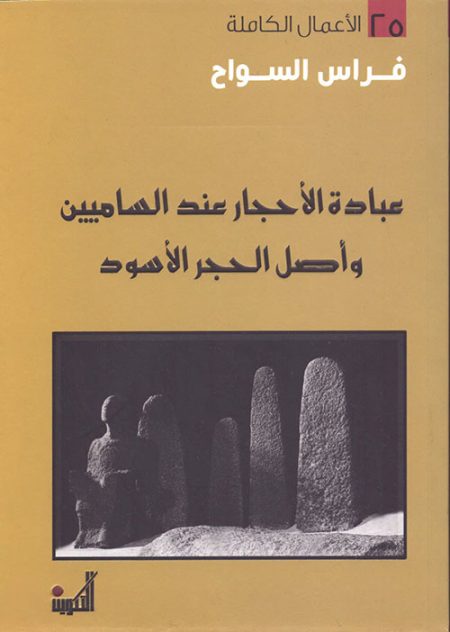
The book also presents an analytical study of the history of stone worship in ancient human cultures, focusing on the symbolism and veneration of the Black Stone before and after Islam within the context of the development of Semitic religions and surrounding cultures. The discussion is further broadened to include the origins of deities and religious structures among ancient peoples.
This book presents stories inspired by the Quran in a simple narrative style that highlights faith-based and moral values, and makes Quranic meanings accessible to the reader in a clear and impactful way suitable for all ages.
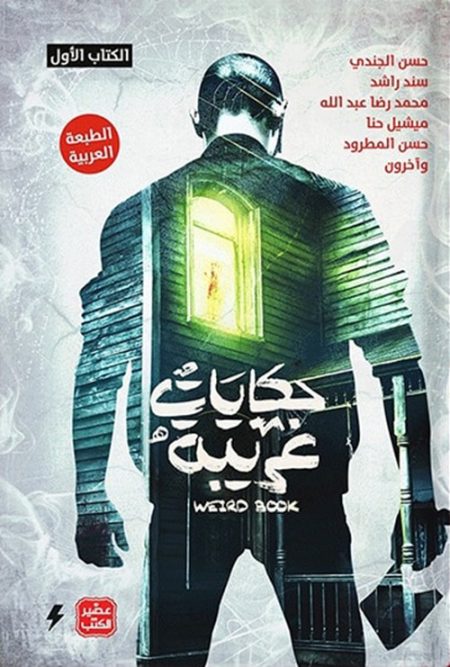
A collection of short stories that blend mystery, horror, and the supernatural, taking the reader on a journey of strange and exciting events filled with secrets, curses, and unexpected situations.
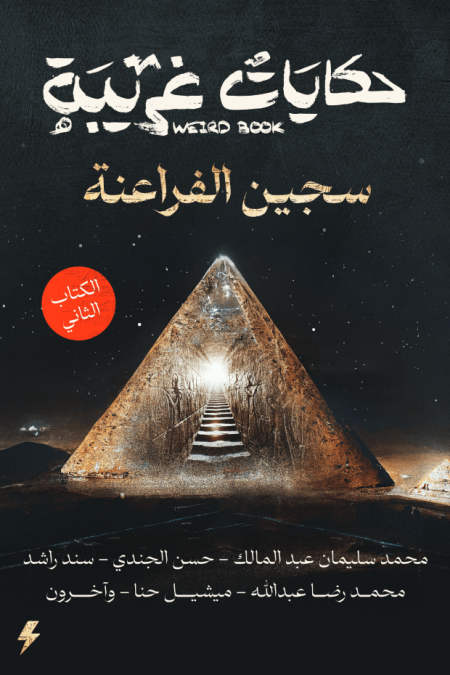
A collection of mysterious and exciting tales that blend horror, fantasy, and adventure, where the heroes encounter extraordinary events and secrets that grow stranger as the stories unfold.
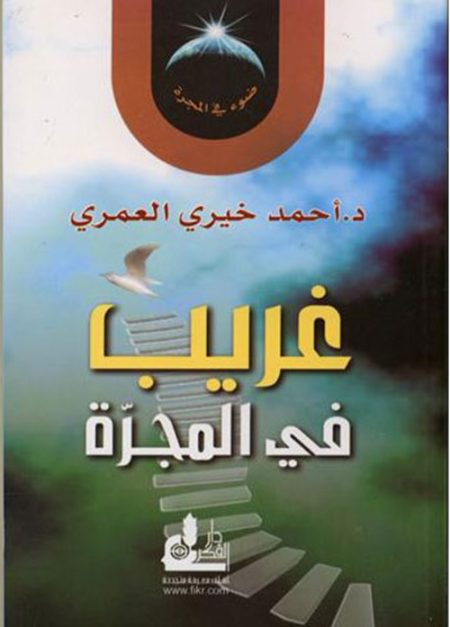
A novel set in a symbolic future atmosphere that blends science fiction and intellectual contemplation, and raises questions about humanity, the meaning of existence, and difference within a vast and strange world.
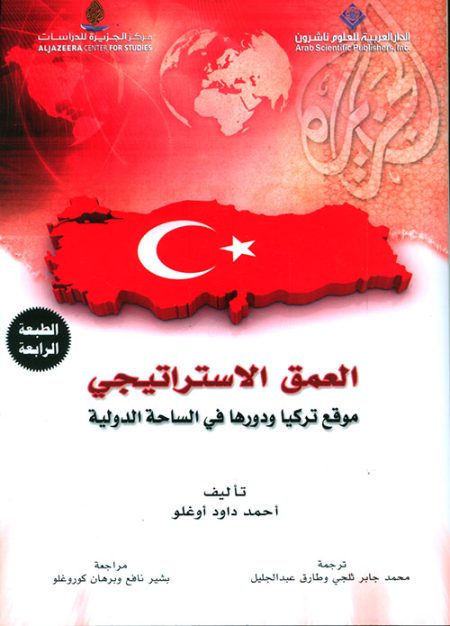
This intellectual and political study presents a comprehensive vision of Turkey’s geopolitical position and its regional and international role, and explains the concept of “strategic depth” as a framework for understanding its actions in its immediate and global environment.
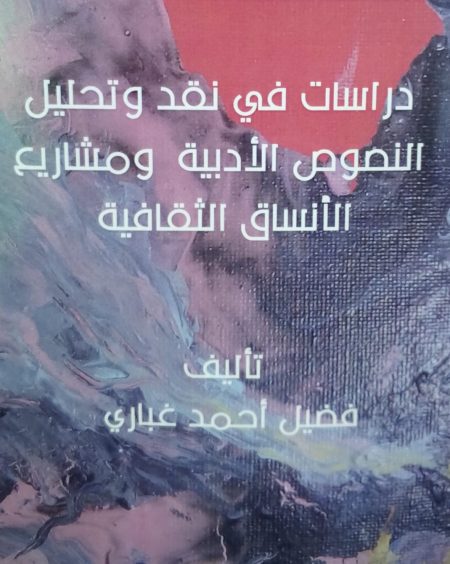
The book is a study of the methodology of reading literary works and a study of projects of cultural systems in literature.
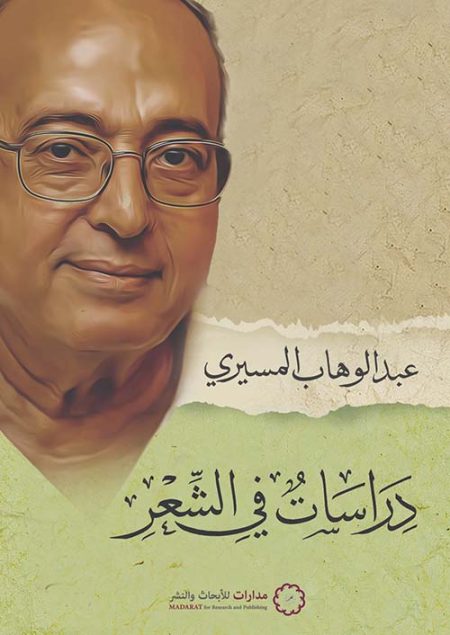
It is a literary study that examines poetry from intellectual and aesthetic perspectives, discussing issues of literature and criticism in an analytical style that connects texts with different cultural and intellectual contexts.
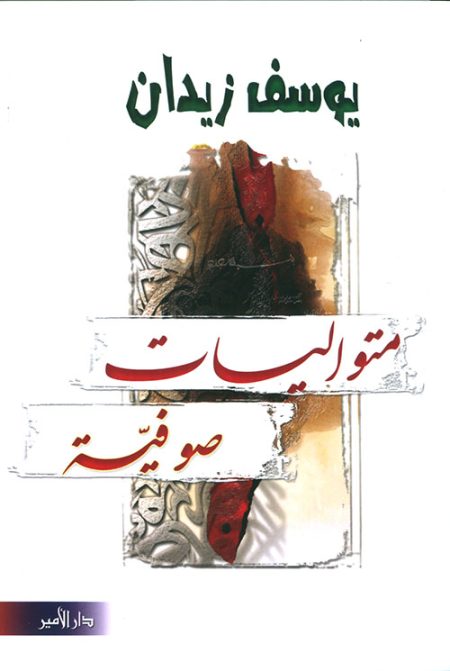
This book offers a profound insight into Sufism and Sufi thought, exploring the successive experiences and stages of the spiritual path and the human contemplation in the search for truth.
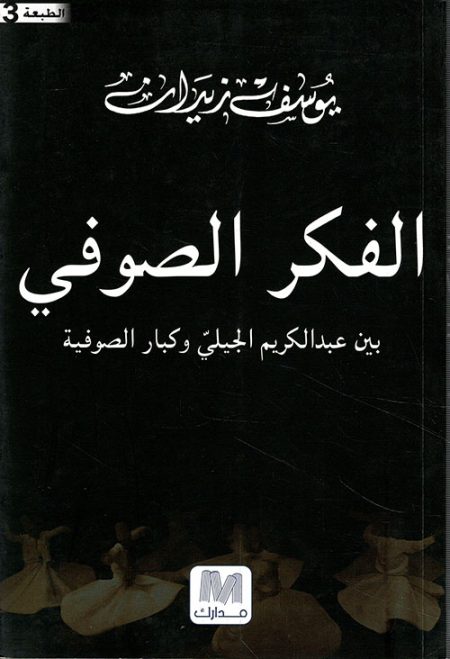
This is an analytical intellectual study that explores the Sufi experience through a profound comparison between Abd al-Karim al-Jili’s vision and the ideas of the great Sufis, highlighting the concepts of existence and the perfect man in Islamic Sufism.
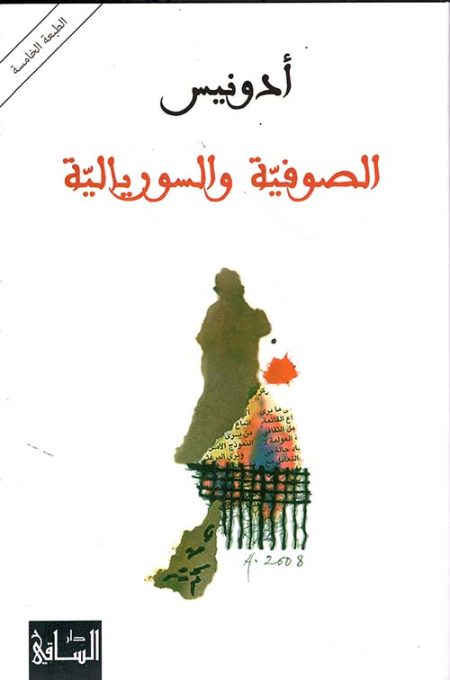
This intellectual study connects the Sufi experience with the Surrealist vision, revealing the convergence of spiritual imagination and artistic creation. The work offers a profound reading of humanity’s relationship with the Absolute through poetry, art, and thought.
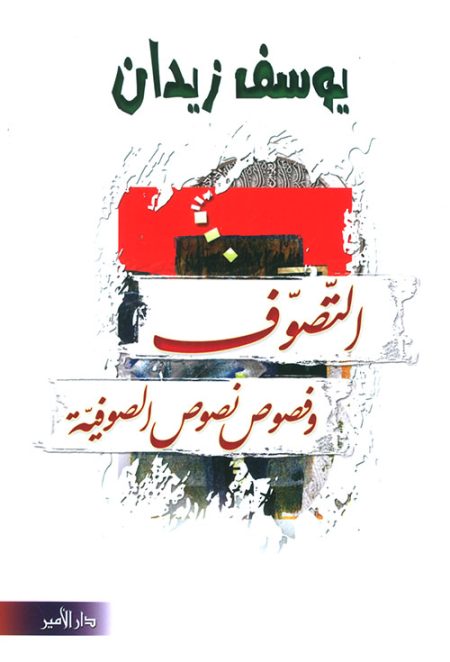
Exploring Sufi thought and ancient spiritual texts, and analyzing their symbols and meanings using a critical and scholarly approach that blends philosophy and religious history.
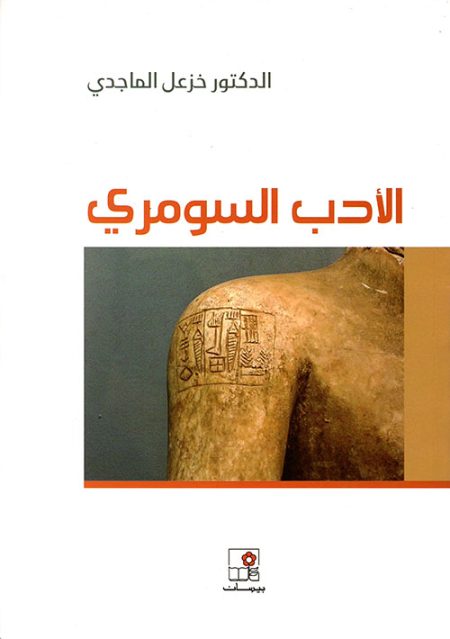
It is a comprehensive study that examines the literary output of the Sumerian civilization, presenting its texts, myths, and poetry while analyzing their historical and intellectual context, thus revealing the roots of narrative and poetry in the oldest civilizations of Mesopotamia.
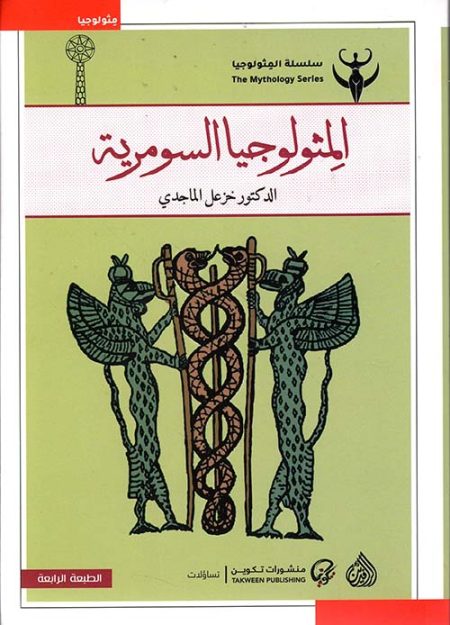
The book explores the world of Sumerian mythology as humanity’s first attempt to understand the universe and existence. It presents its gods, rituals, and tales of creation and death in an analytical style that connects myth to ancient human thought, revealing the roots of later beliefs and civilizations.