962-7983-18423+
24/7 دعم

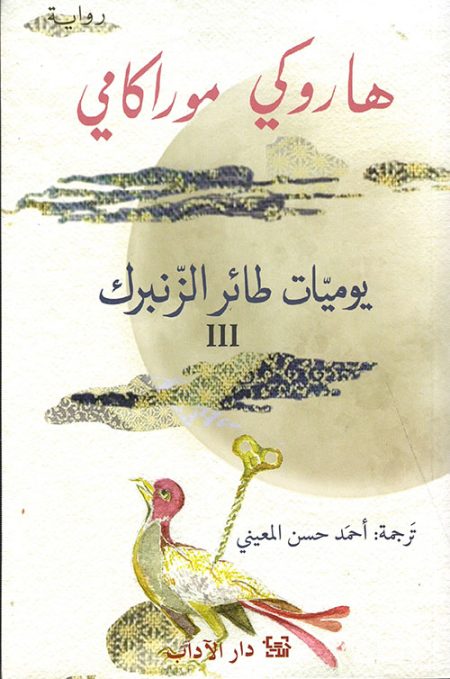
The hero continues his mysterious journey between reality and dreams to uncover the secrets of his wife’s disappearance, amidst a world full of psychological symbols and strange events that reveal the depths of man and his loneliness.
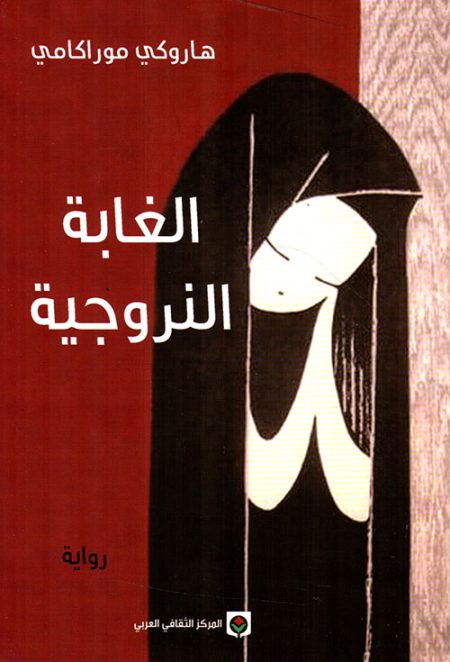
A novel that explores love, loneliness, and longing through the journey of a university student experiencing emotional and psychological struggles amidst the changing life in Japan during the 1960s.
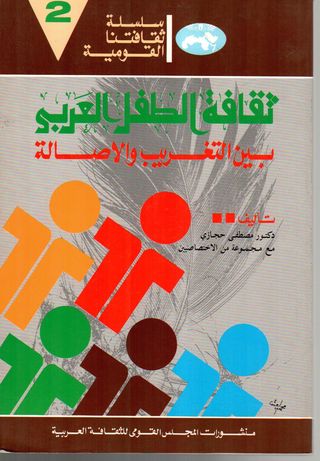
The book addresses issues of Arab child culture and the challenges facing their identity between the influence of Western cultures and the preservation of Arab values and authenticity, with a focus on the role of education and media in shaping a child’s awareness.
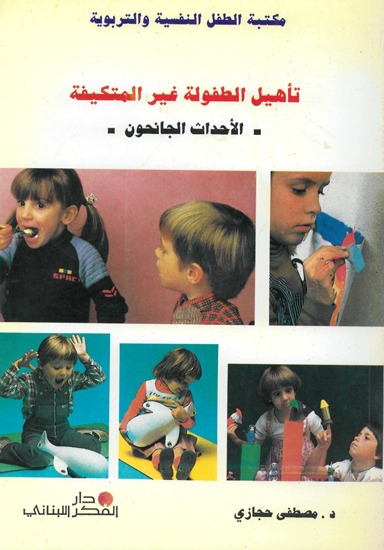
It examines issues of juvenile delinquency and methods for rehabilitating psychologically and socially maladapted children, analyzing the factors leading to delinquency and methods of treatment and rehabilitation within the family and community.
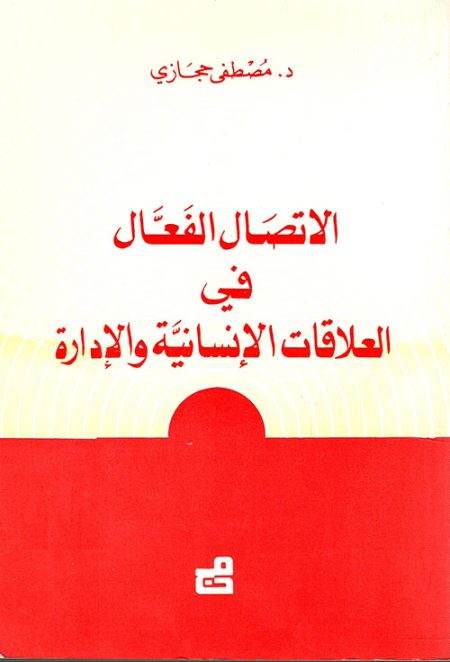
It addresses methods of effective communication and building successful human relationships within work environments and daily life, focusing on dialogue and understanding skills and improving managerial and social interaction.
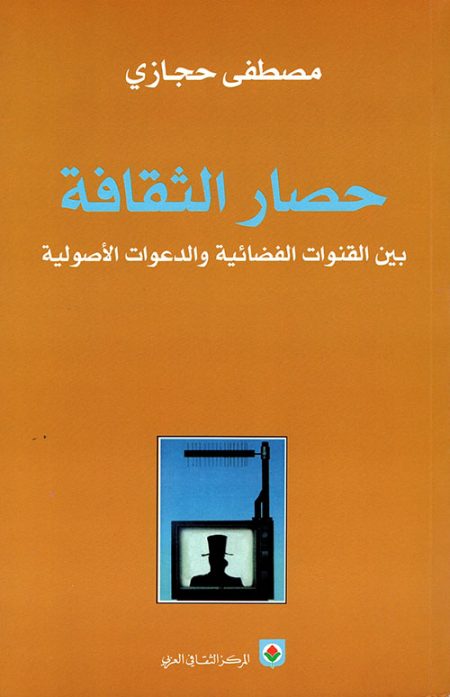
This book discusses the crisis of modern Arab culture and the impact of satellite media and fundamentalist calls on societal awareness, along with an analysis of the intellectual and psychological transformations experienced by the Arab individual in light of this conflict.
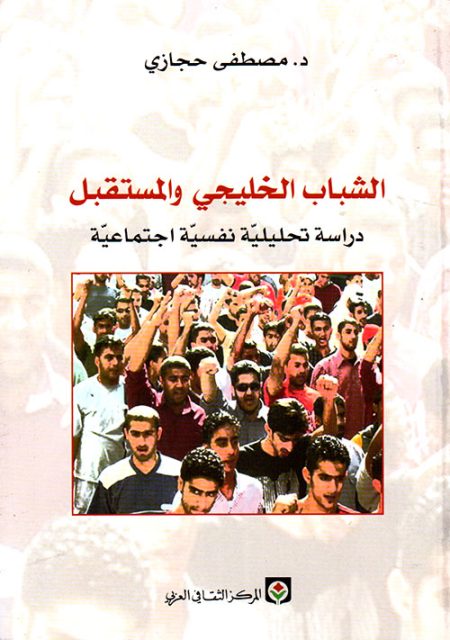
This socio-psychological study examines the realities of Gulf youth and the challenges they face in education, employment, identity, and social integration, while offering insights that help in understanding their aspirations and their role in shaping the future.
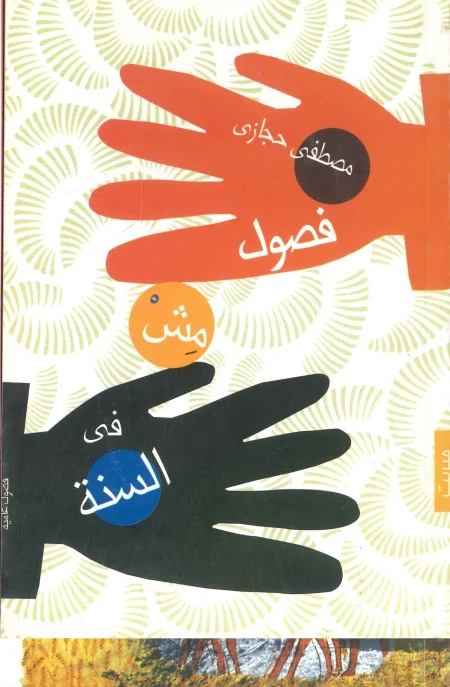
A collection of colloquial texts and reflections that express sadness, longing, and contemplation of life and human emotions in a simple, poetic style close to reality.
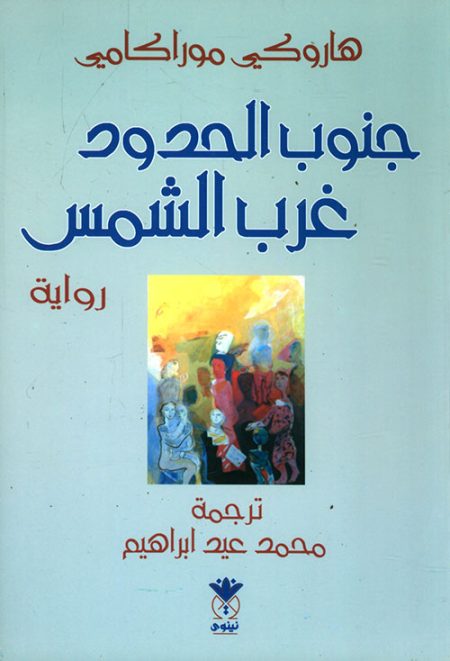
The novel revolves around a man who revisits his childhood memories and past relationships, revealing the loneliness, nostalgia, and emotional struggles that accompany a person over time, all presented in a calm and profoundly psychological style.
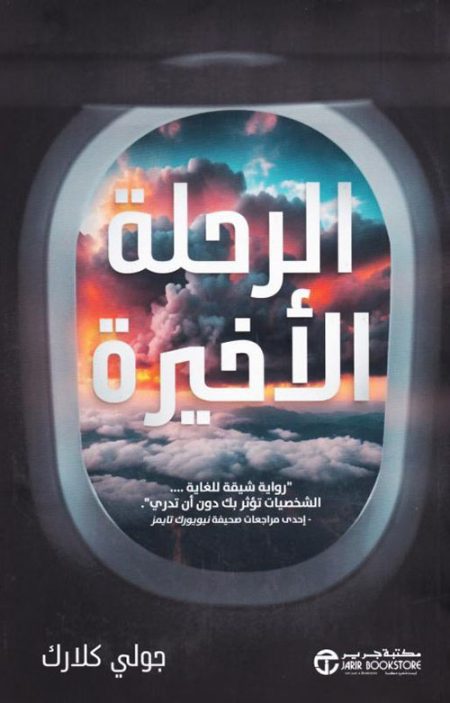
It revolves around two journeys that unexpectedly intersect, where every fateful moment changes the lives of two people and reveals dark secrets that lead to crucial decisions for survival.

A gripping psychological novel about a woman whose life gradually falls apart after she suffers from severe insomnia, only to find herself facing disturbing family secrets and a thin line between reality, doubt, and madness.

The story revolves around a woman who finds herself confronted with a mysterious presence in her new home. Disturbing events begin to reveal that everything seems abnormal, and as the tension rises, secrets are uncovered that directly threaten her life.

The book discusses cultural issues in the Arab world, their historical transformations, and their relationship to the social and political structures, while also analyzing the crisis of Arab cultural thought and ways to overcome it.
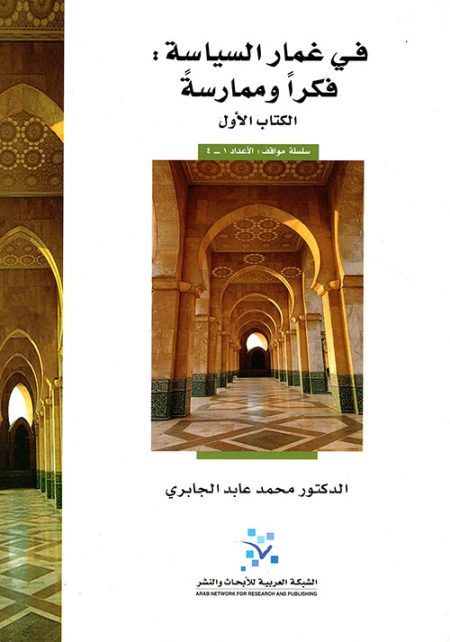
This book examines the Arab political and intellectual experience through articles, dialogues, and memoirs that reflect the development of political and cultural awareness, along with a critical reading of events and transformations in the Arab world.
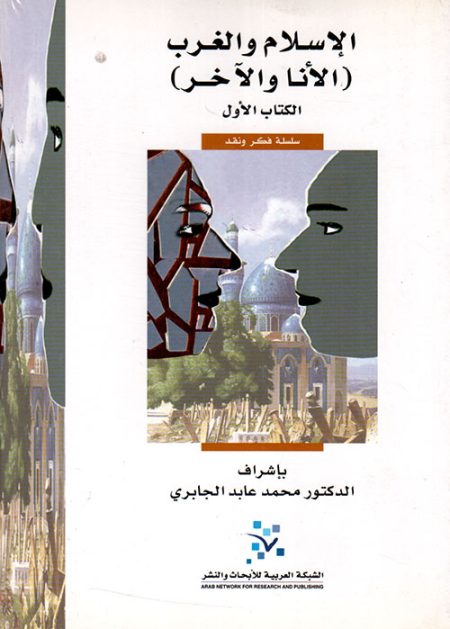
The book explores the nature of the intellectual and cultural relationship between Islam and the West, analyzing each side’s perception of the other throughout history, politics, and culture, while attempting to deconstruct the causes of the differences and the possibility of dialogue between the two civilizations.
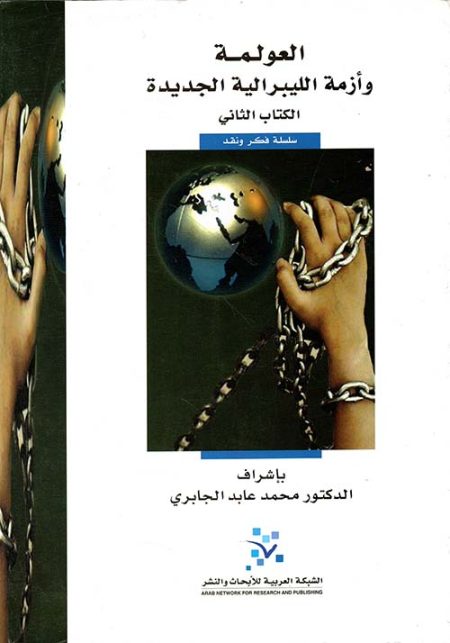
The book examines the major transformations imposed by globalization and the impact of neoliberalism on Arab societies and the world at large, offering an intellectual and political analysis of contemporary economic and cultural crises.
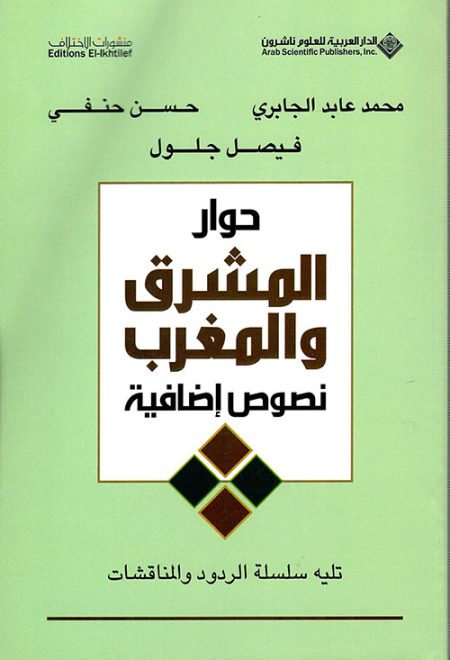
This intellectual and dialogical book discusses issues of contemporary Arab thought and the relationship between the Arab East and West, addressing topics of identity, modernity, democracy, and politics through profound critical discussions.
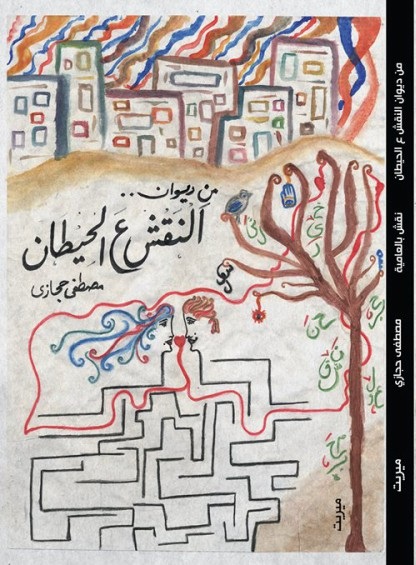
This poetry collection expresses profound human and national reflections, intertwining feelings of longing and pain with poetic imagery that offers a critique of reality and human suffering.
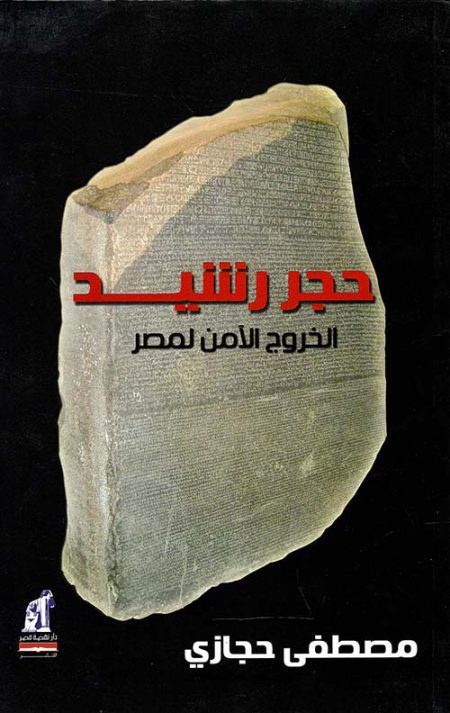
This book addresses the political, social, and economic crises in Egypt, offering an analytical reading to understand the roots of the conflict and providing visions and solutions to help achieve a safe and stable transition for society and the state.
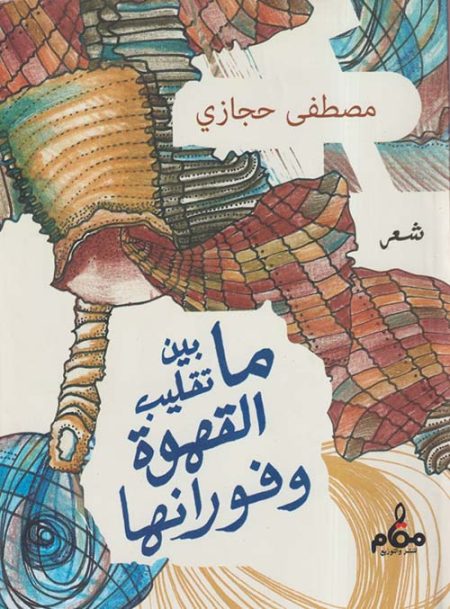
Human and intellectual texts and reflections that blend the details of daily life with psychological and emotional questions, in a calm style that carries many meanings and deep reflections.