962-7983-18423+
24/7 دعم

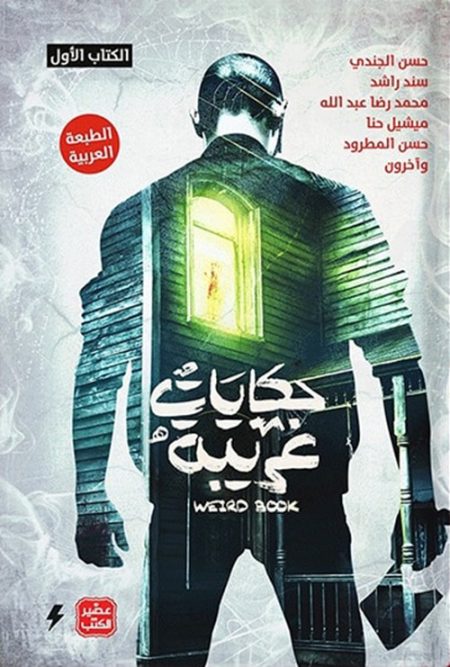
A collection of short stories that blend mystery, horror, and the supernatural, taking the reader on a journey of strange and exciting events filled with secrets, curses, and unexpected situations.
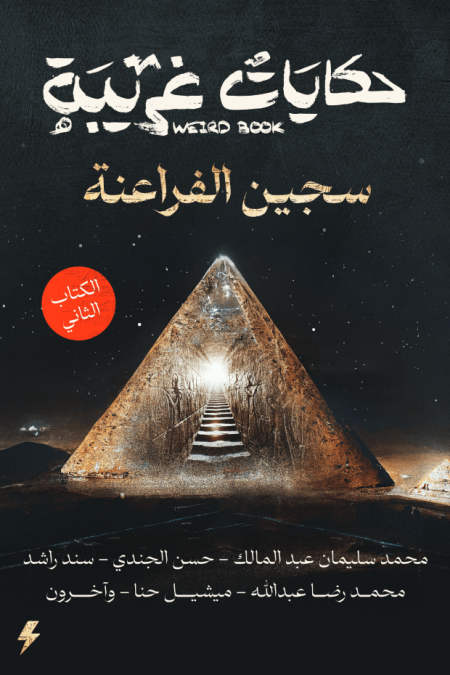
A collection of mysterious and exciting tales that blend horror, fantasy, and adventure, where the heroes encounter extraordinary events and secrets that grow stranger as the stories unfold.
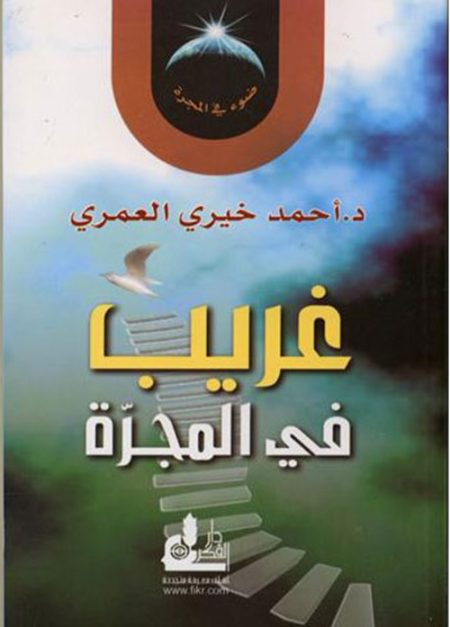
A novel set in a symbolic future atmosphere that blends science fiction and intellectual contemplation, and raises questions about humanity, the meaning of existence, and difference within a vast and strange world.
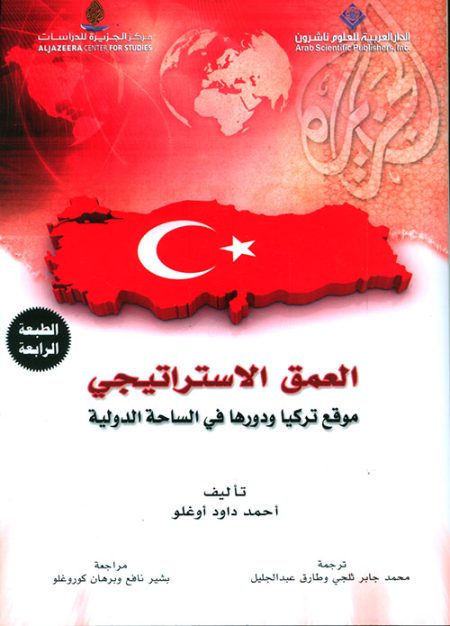
This intellectual and political study presents a comprehensive vision of Turkey’s geopolitical position and its regional and international role, and explains the concept of “strategic depth” as a framework for understanding its actions in its immediate and global environment.
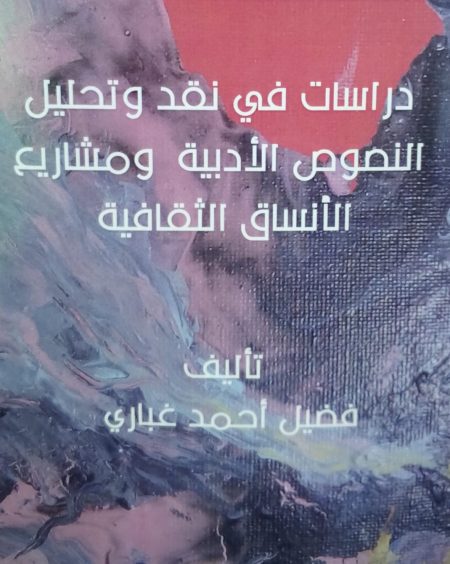
The book is a study of the methodology of reading literary works and a study of projects of cultural systems in literature.
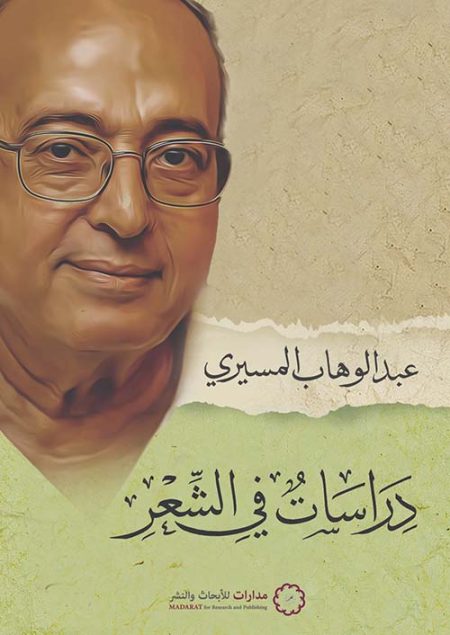
It is a literary study that examines poetry from intellectual and aesthetic perspectives, discussing issues of literature and criticism in an analytical style that connects texts with different cultural and intellectual contexts.
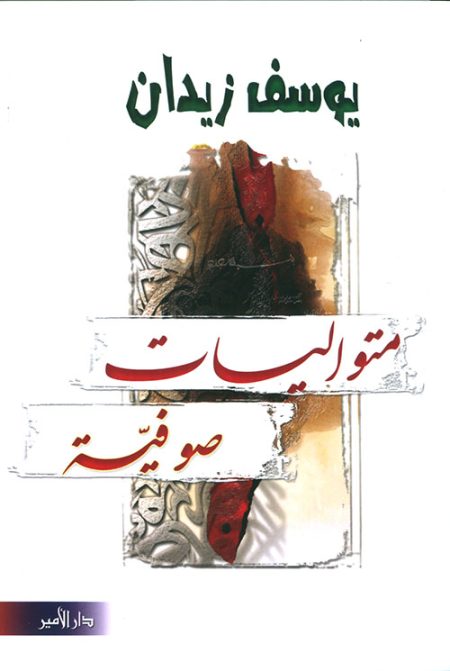
This book offers a profound insight into Sufism and Sufi thought, exploring the successive experiences and stages of the spiritual path and the human contemplation in the search for truth.
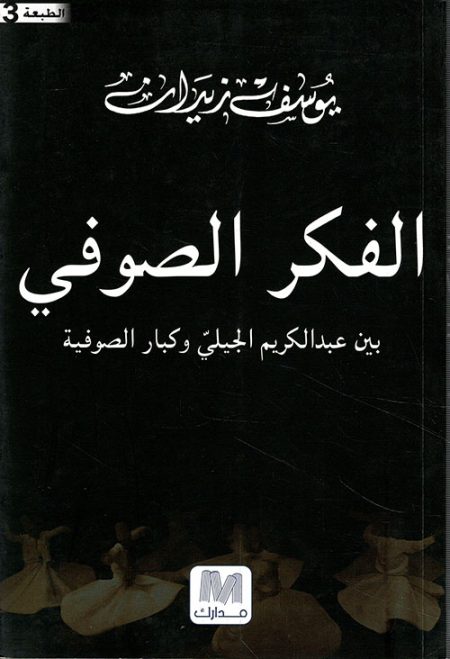
This is an analytical intellectual study that explores the Sufi experience through a profound comparison between Abd al-Karim al-Jili’s vision and the ideas of the great Sufis, highlighting the concepts of existence and the perfect man in Islamic Sufism.
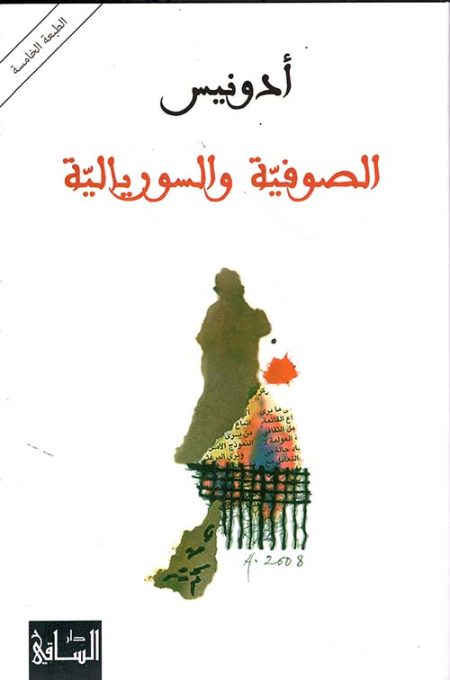
This intellectual study connects the Sufi experience with the Surrealist vision, revealing the convergence of spiritual imagination and artistic creation. The work offers a profound reading of humanity’s relationship with the Absolute through poetry, art, and thought.
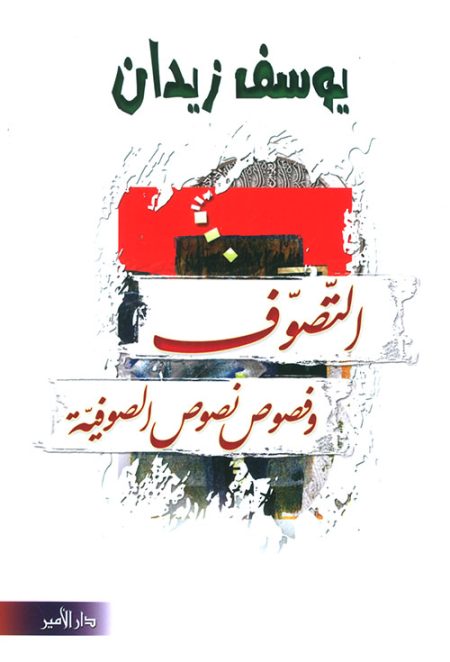
Exploring Sufi thought and ancient spiritual texts, and analyzing their symbols and meanings using a critical and scholarly approach that blends philosophy and religious history.
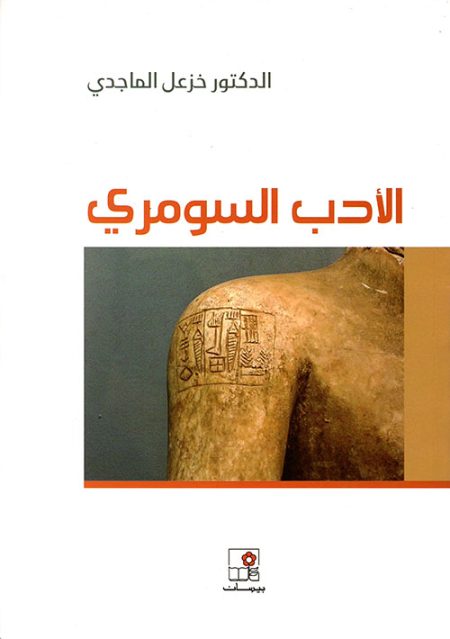
It is a comprehensive study that examines the literary output of the Sumerian civilization, presenting its texts, myths, and poetry while analyzing their historical and intellectual context, thus revealing the roots of narrative and poetry in the oldest civilizations of Mesopotamia.
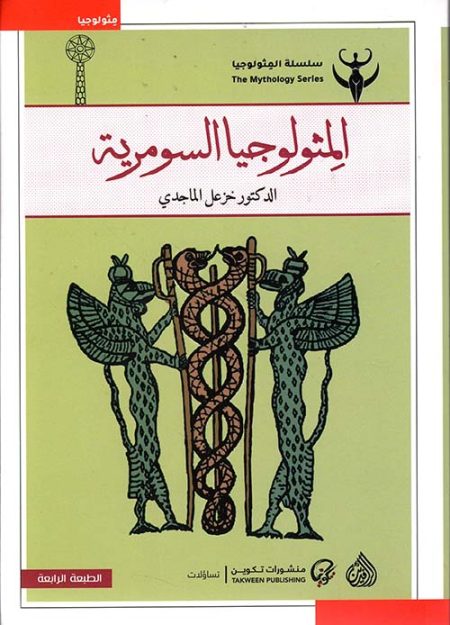
The book explores the world of Sumerian mythology as humanity’s first attempt to understand the universe and existence. It presents its gods, rituals, and tales of creation and death in an analytical style that connects myth to ancient human thought, revealing the roots of later beliefs and civilizations.
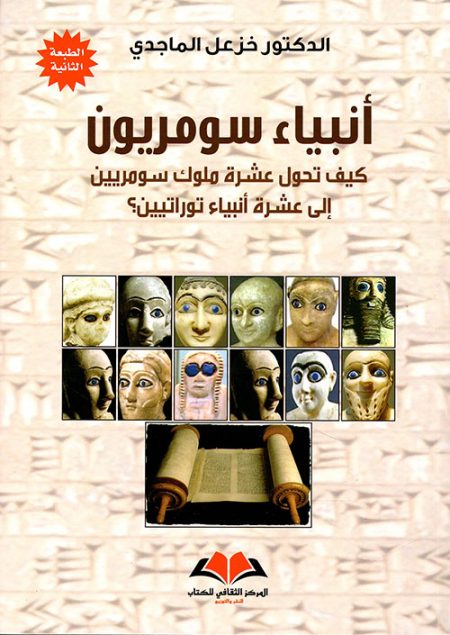
A historical-scientific analysis explores the origin of the first ten patriarchs/prophets in the Torah by comparing their figures with kings who ruled the ancient Sumerian cities, and it proposes that the Torah transformed these kings into prophets through religious narrative. The book presents archaeological evidence and research methodologies to reread those figures in light of the history of the civilizations of Mesopotamia.
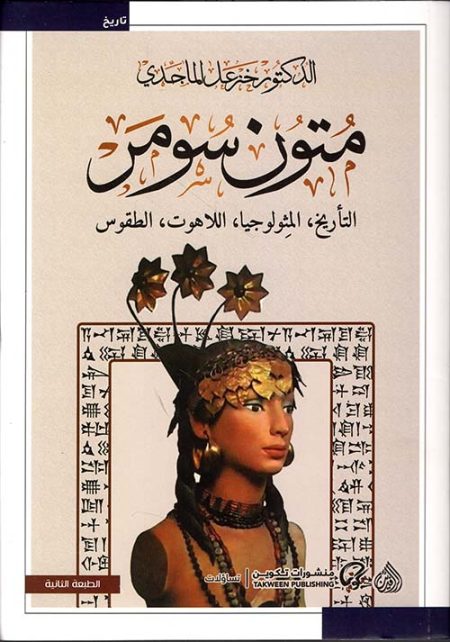
It presents translated and critically edited Sumerian texts that reveal the mythological and intellectual structure of the oldest written civilization in history, showcasing the epics, hymns, and poems that shaped the religious and symbolic consciousness of Mesopotamia.
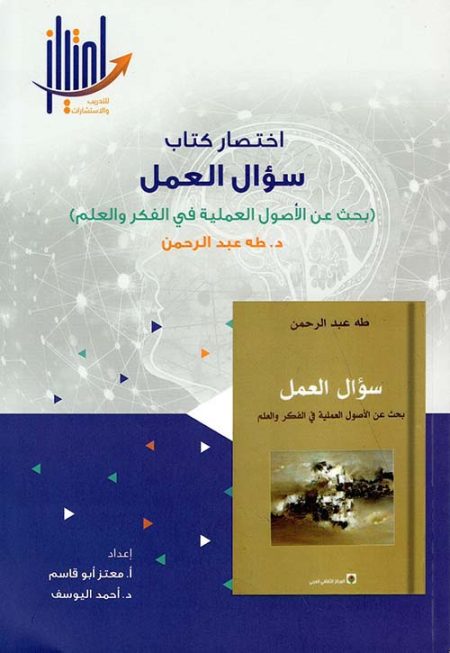
This philosophical and intellectual book discusses the relationship between work and thought, and explores the practical foundations of knowledge and science from an ethical and spiritual perspective that connects reason and human behavior.
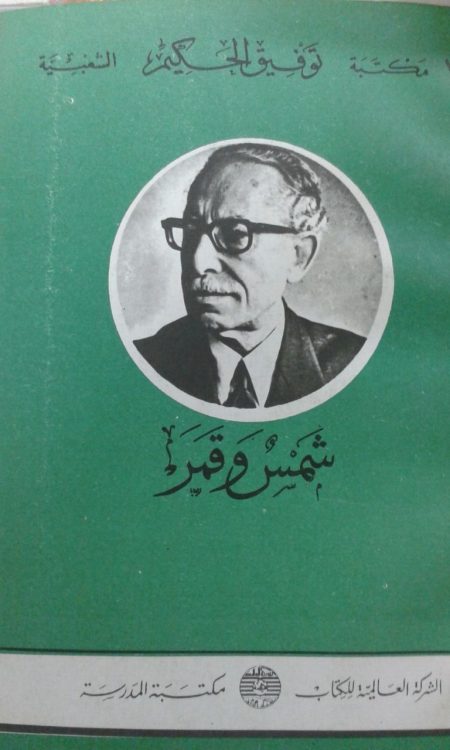
This symbolic play explores the conflict between justice and power, addressing social and political issues through events and characters imbued with profound human and intellectual significance.
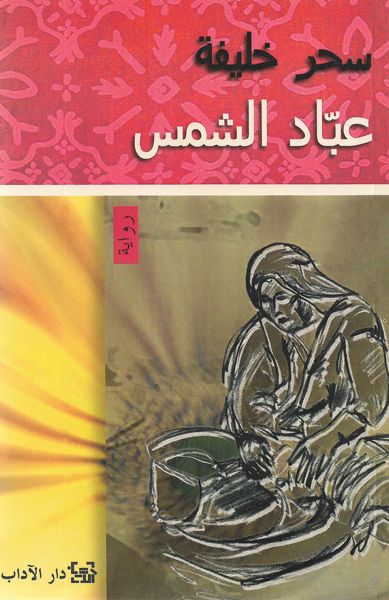
This narrative explores the transformations of Palestinian society under oppression and occupation, through characters experiencing an internal struggle between despair and hope, searching for dignity and freedom amidst a harsh social and political reality.
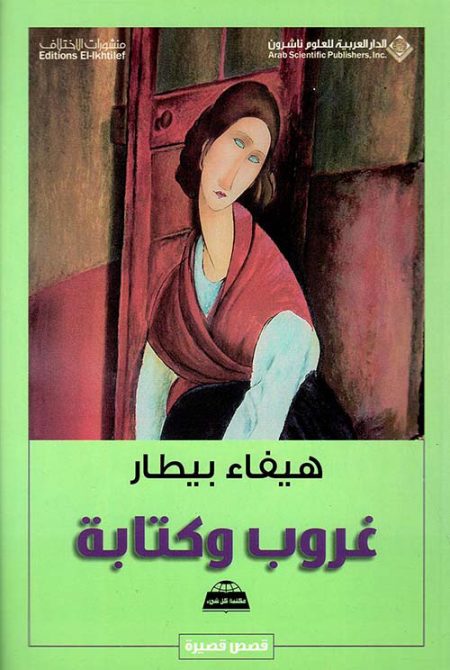
A book that explores the relationship between writing and the human experience, highlighting internal conflicts and cultural identity. It presents reflective texts that blend personal narratives with critical reflection on literature and society.
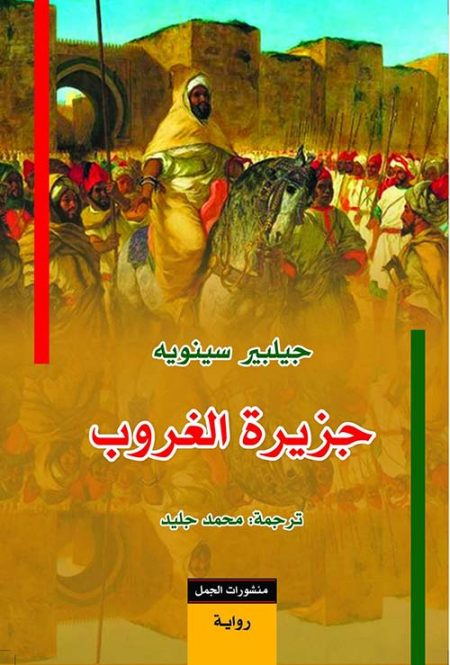
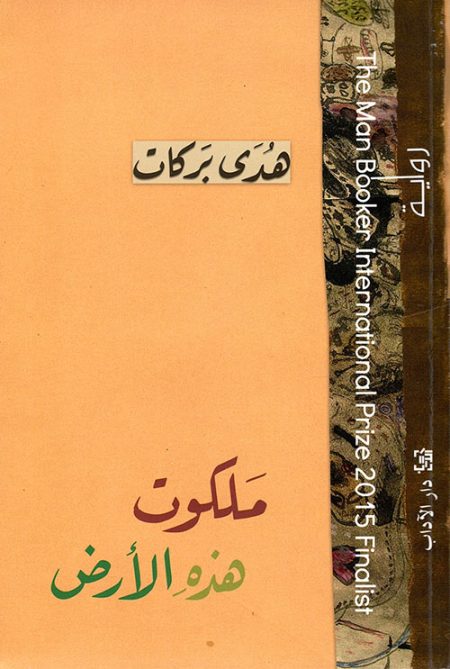
The novel is set in Morocco during the reign of Sultan Moulay Ismail and presents a blend of history, politics, and human conflicts through the eyes of a French doctor close to the Sultan, in an epic narrative brimming with events and intrigue.
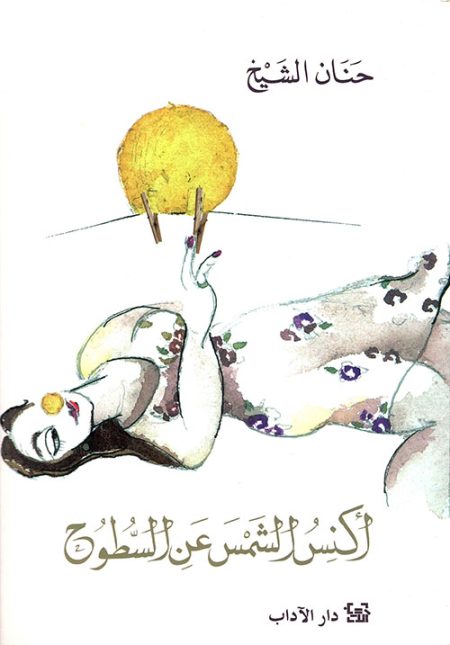
A collection of human stories that capture pain, hope, and the intricate relationships between different characters, in a literary style that touches the heart and reveals the details of daily life with depth and transparency.