962-7983-18423+
24/7 دعم

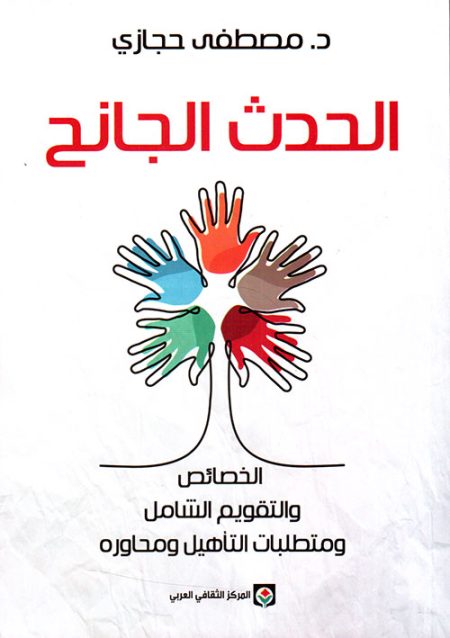
It examines the phenomenon of juvenile delinquency from a social and psychological perspective, analyzing its characteristics and causes, and laying the foundations for evaluation, rehabilitation, and reintegration.
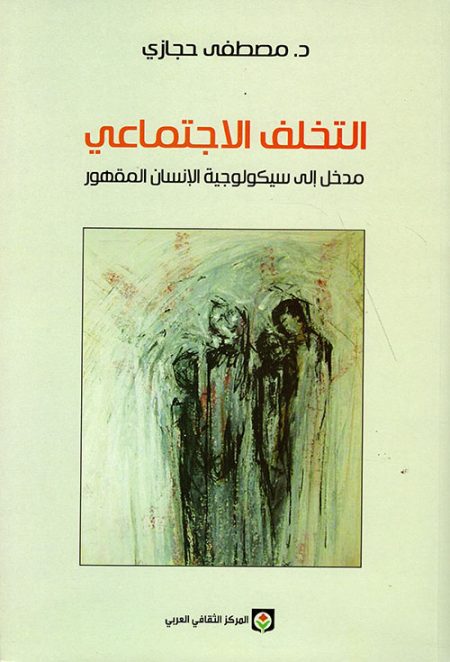
This is a socio-psychological analytical study that examines the impact of social oppression on the formation of human personality and behavior, and reveals the mechanisms that produce weakness and submission within traditional social structures.
This is a contemporary interpretation of the Holy Quran that adopts the order of revelation to understand the development of the Islamic call and the context of the verses, while offering a clear and accessible explanation that connects the Quranic text with the events of the Prophet’s life.
This contemporary interpretation of the Holy Qur’an adopts the order of revelation to understand the development of the Islamic call and connect verses to their historical and intellectual context in a clear and accessible manner.
This contemporary interpretation of the Holy Qur’an adopts the order of revelation to understand the historical and thematic context of the verses, offering a clear analytical reading that connects the course of the Islamic call with the gradual revelation of the chapters.
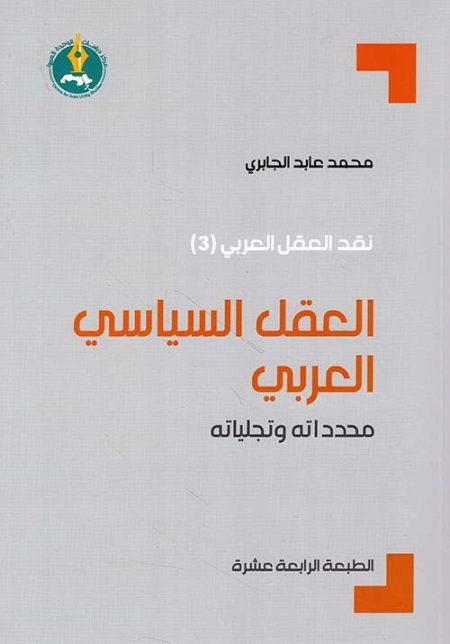
This intellectual study analyzes the structure of the Arab political mind and examines the historical, religious, and social factors that have shaped Arab political practice throughout the ages, along with a critical reading of the reasons for the stagnation of Arab political revival.
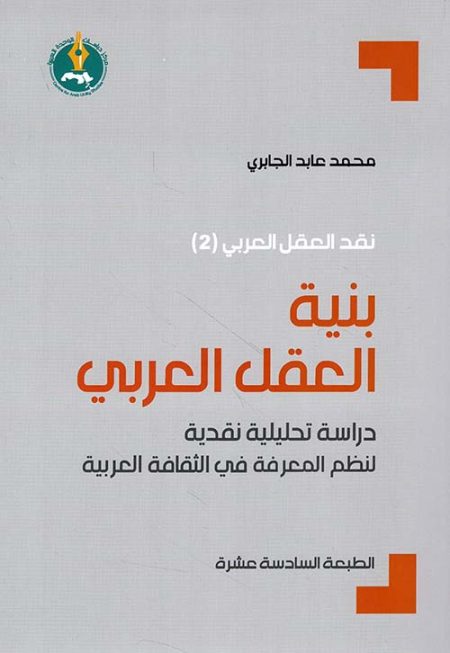
This intellectual and philosophical work analyzes knowledge systems in Arab culture, examining how the Arab mind was formed and its mechanisms for producing knowledge throughout history, while also critiquing prevailing intellectual frameworks.
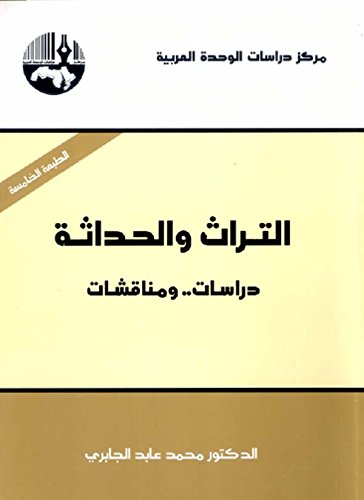
This collection of intellectual studies discusses the relationship between Arab heritage and modernity, exploring issues of thought, methodology, and cultural criticism through a profound philosophical and analytical approach.
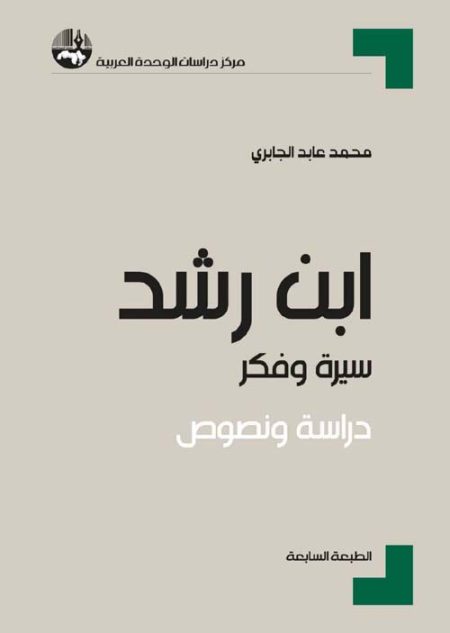
The book examines Ibn Rushd’s life and philosophical and scientific thought through an analytical study of his texts, clarifying his influence on Arab and Islamic thought and his relationship to rationalism and interpretation.
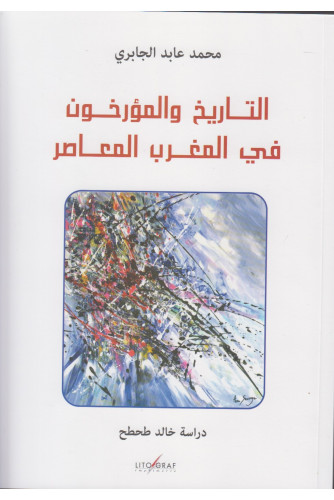
This critical study examines the development of historical writing in contemporary Morocco and analyzes the methodologies and intellectual trends of historians in their reading of Moroccan history, employing a profound academic approach.
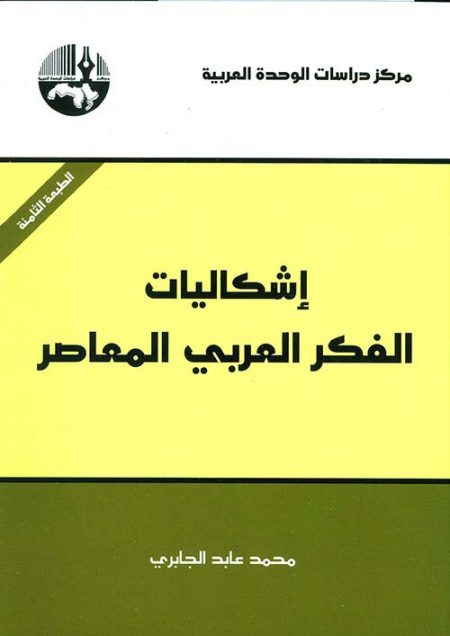
This book discusses the crises of modern Arab thought and its relationship to tradition and modernity, raising questions about identity, the Arab mind, and the possibility of building a contemporary intellectual project that combines authenticity and renewal.
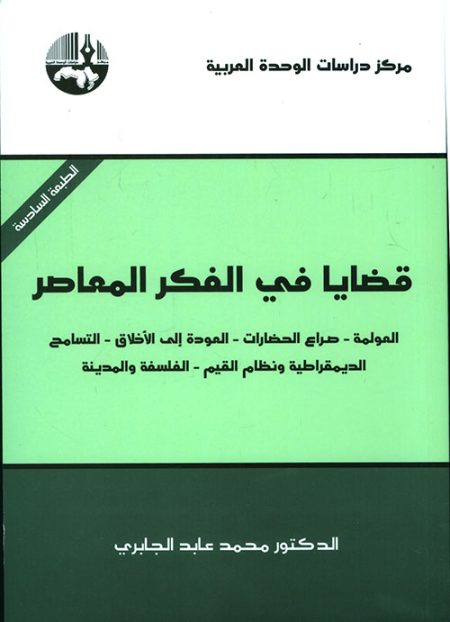
This book discusses the most prominent issues in contemporary Arab thought, such as globalization, democracy, and the clash of civilizations, with a critical reading that connects philosophy to the Arab cultural and political reality.
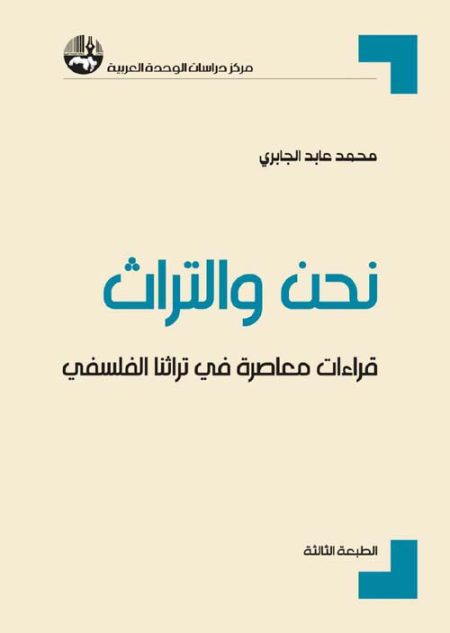
This is a critical intellectual study that rereads the Arab and Islamic philosophical heritage using a contemporary approach, discussing the relationship between the Arab mind and this intellectual legacy, and how to engage with it in a critical and analytical manner.
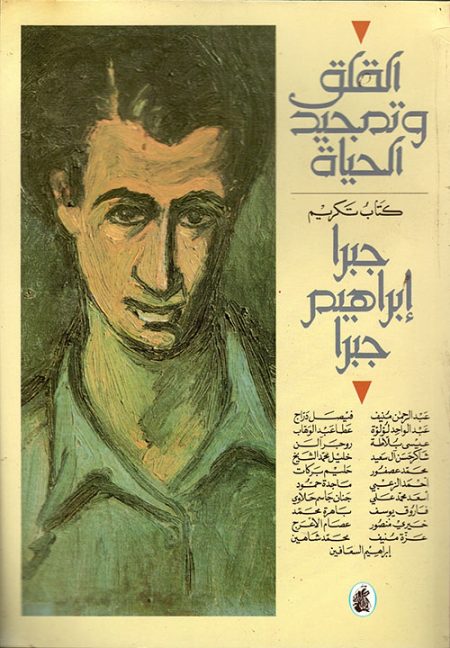
This critical and commemorative book sheds light on the literary and intellectual experience of Jabra Ibrahim Jabra, and includes studies and testimonials that reveal his significant impact on Arab culture and modern arts.
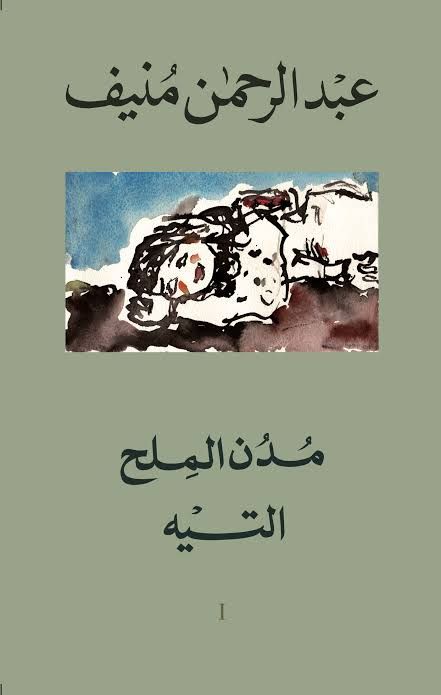
A novel that chronicles the violent transformations that befell Arab society with the discovery of oil, and the impact of power and wealth on people, life, and identity in a changing desert environment.
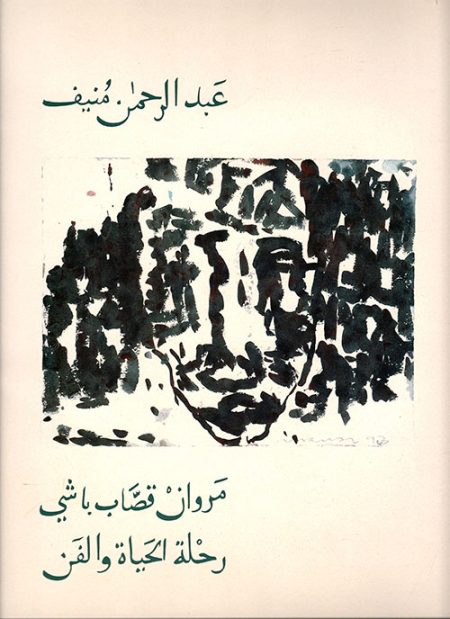
The book documents the artistic and human journey of Marwan Kassab Bashi, showcasing his childhood, his creative experience, and his artistic transformations in a style that blends biography with artistic and cultural analysis.
The book explores the moments of dying and death through poignant narratives and situations, portraying people’s experiences at the time of death in a didactic style rich with lessons and spiritual reflections.
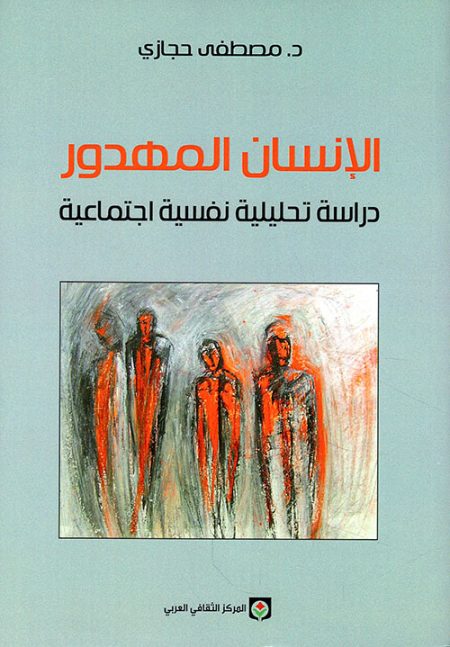
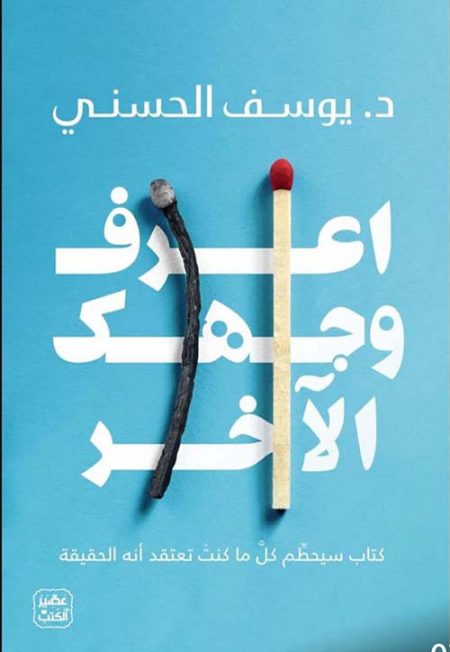
This book analyzes the reality of the Arab individual from a psychological and social perspective, revealing how their dignity and humanity are violated under the pressures of oppression and authority, and the impact of this on their behavior and identity.
This book presents a psychological and social perspective on the relationship between the concept of competence and the role of parenthood in shaping human personality, along with an in-depth analysis of how upbringing influences self-esteem and success in life.
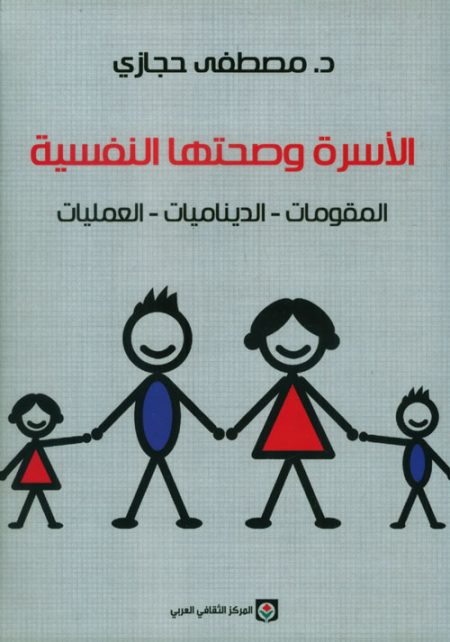
The book addresses the role of the family in shaping the psychological health of individuals, explaining how family relationships and parenting styles influence personality development and psychological stability.