962-7983-18423+
24/7 دعم

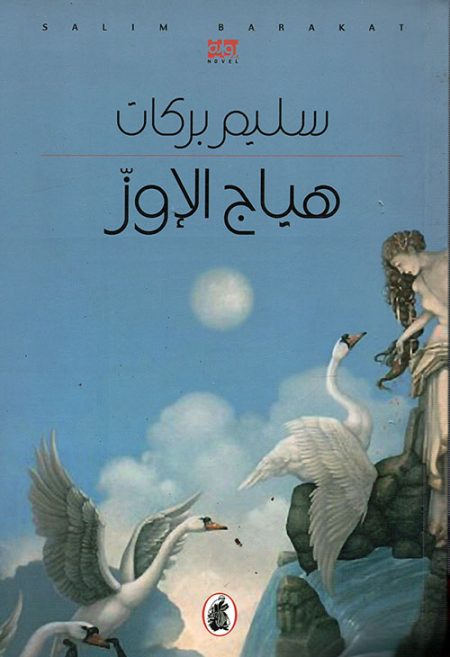
A novel exploring the experiences of alienation and belonging among a group of Kurdish women in Sweden. It weaves together memories of the homeland with the realities of exile and dual identity, employing an innovative narrative style and an undercurrent of irony.
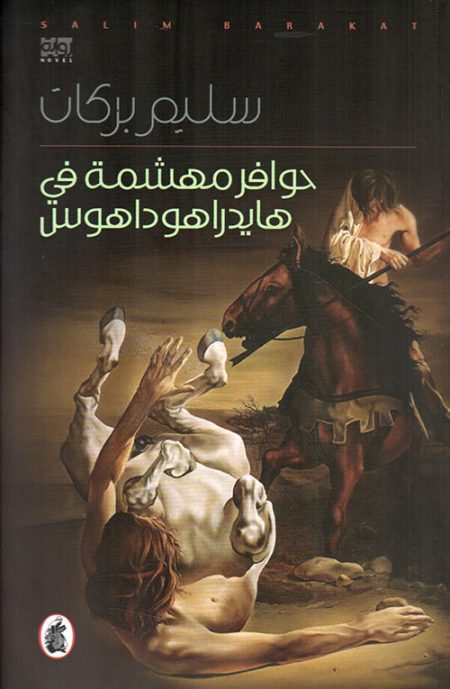
A mythic fantasy novel set in a world where human and equine natures intertwine; it explores conflicts of power, identity, and deception, as well as the fates of characters inhabiting a surreal realm rich in symbolism.
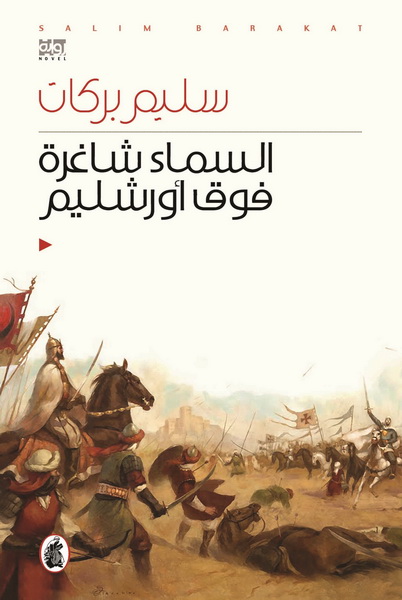
Set against the backdrop of the twelfth-century Crusades, this historical novel follows the journey of a military commander who witnesses the Battle of Hattin and the Siege of Jerusalem. The narrative weaves together themes of war, nostalgia, and loss, while exploring a diverse array of characters and cultures.
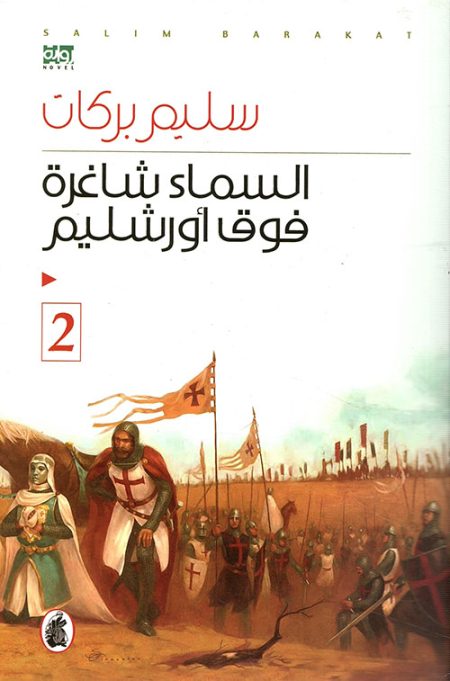
A complex historical novel set against the backdrop of the Third Crusade and the fall of Acre. It follows the journey of the soldier Turan as he navigates exile, war, vengeance, and a longing to return to his family, all within a narrative rich in detail and reflection.
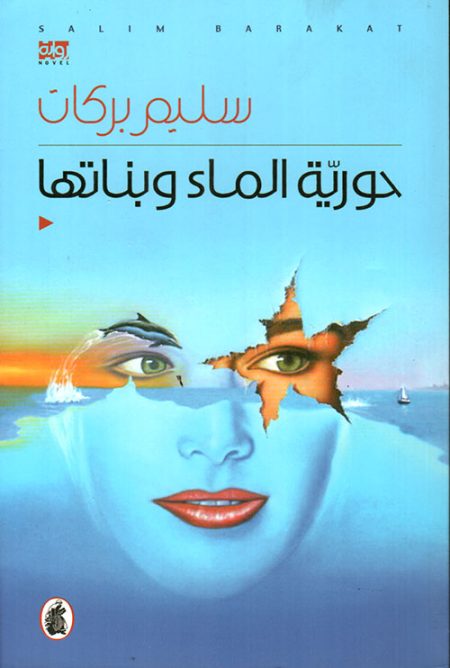
A surreal sea voyage where myth, horror, and madness intertwine; passengers await the sight of mermaids, only for the journey to devolve into a turbulent realm where chaos, hallucination, reality, and fantasy collide.
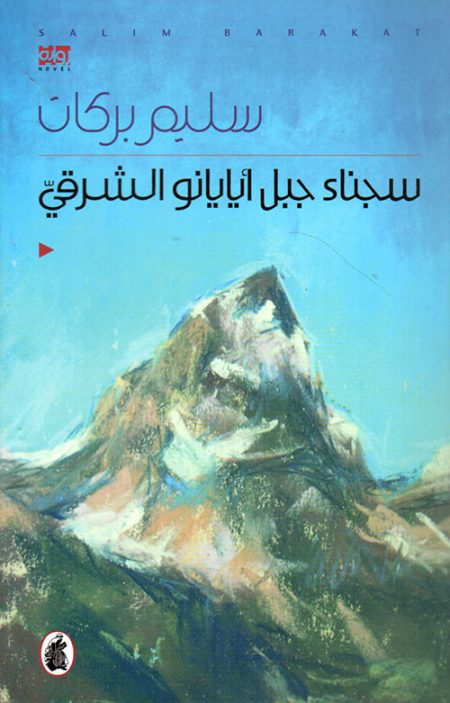
The novel centers on eighteen prisoners who have committed murder and are required to atone for their crimes by climbing East Ayayano Mountain to apologize to their victims. The journey transforms into an encounter with guilt, remorse, absurdity, and the very meaning of crime and punishment.
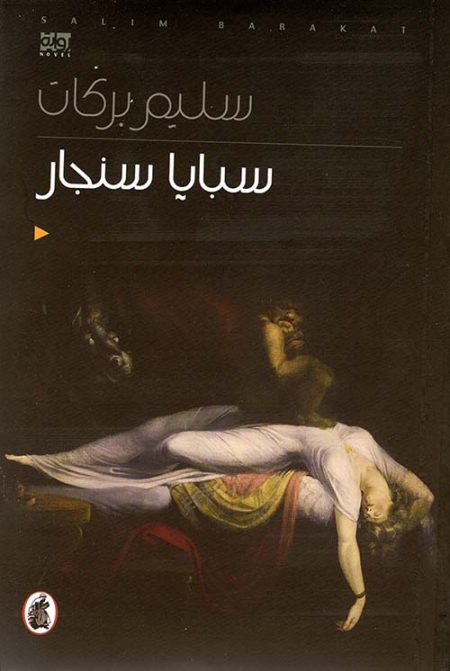
The novel chronicles the tragedy of the Yazidis in Sinjar—particularly the women who were taken captive—through a narrative that blends reality, fiction, and art, while addressing the themes of war, devastation, and human destiny in the region.
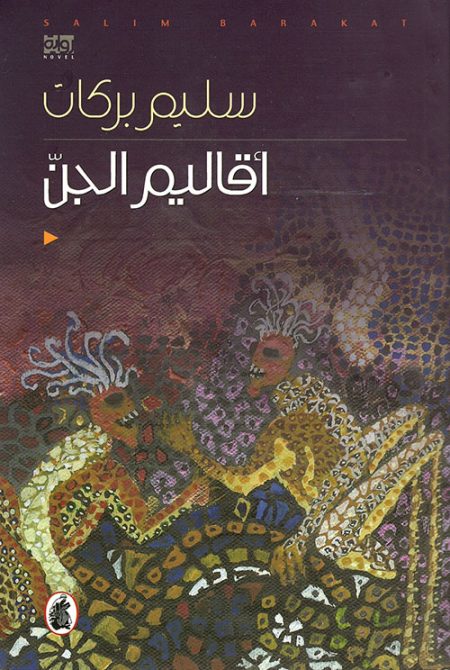
This fantasy novel weaves an imagined world for the jinn—drawing upon ancient myths, legends, and beliefs—and explores their customs, laws, and rituals within a realm parallel to that of humans, all conveyed through a narrative language rich in the fantastic and the extraordinary.
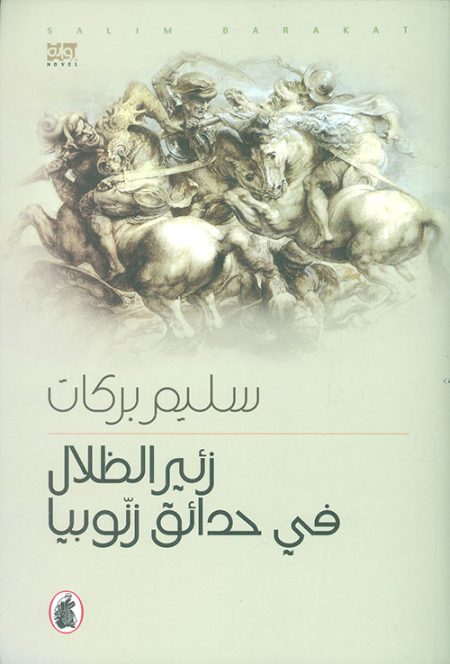
It is a historical novel that resurrects the figure of Zenobia and the city of Palmyra through a narrative blending history, fiction, and myth. It unveils hidden facets of the queen’s character and her conflict with the Roman Empire, all conveyed through dense, symbol-rich, and poetic language.
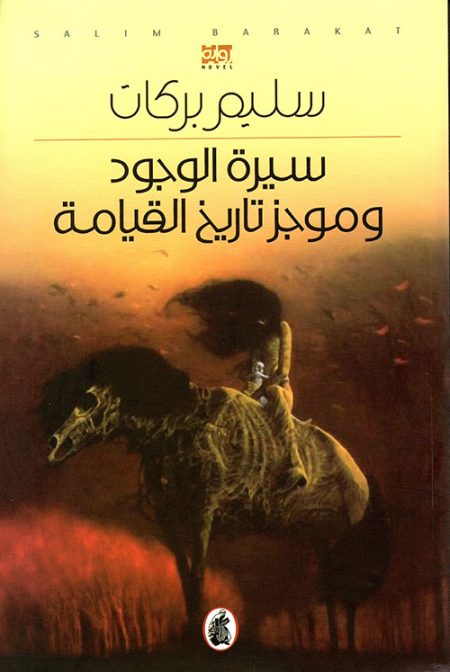
A novel driven by a philosophical and apocalyptic vision, it depicts a surreal world where life, death, and resurrection intertwine, exploring existence and the afterlife through dense, symbolic storytelling and a cast of imagined characters and creatures.
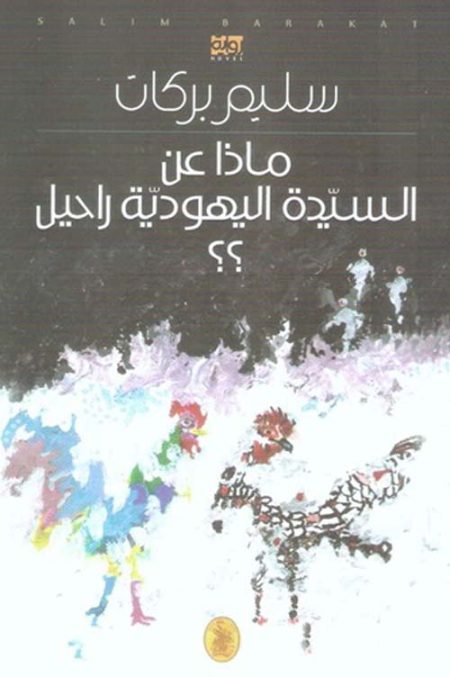
A novel that recaptures the atmosphere of Qamishli, Syria, after the 1967 war, exploring the lives of Jews, Kurds, and Armenians amidst fear, tyranny, and emigration, through a teenage romance that intersects with profound social and political transformations.
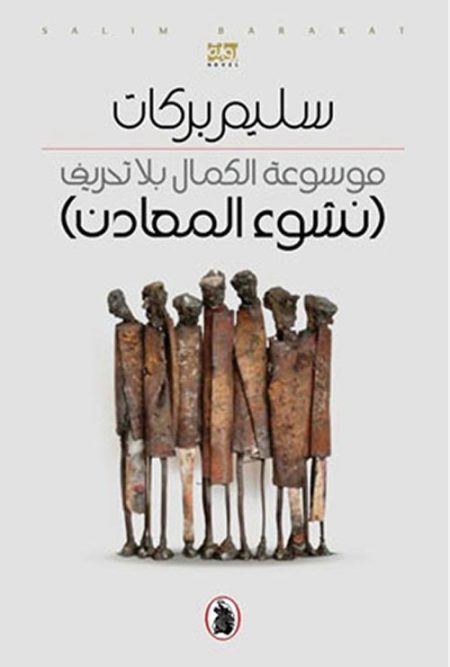
A fantasy novel that envisions a hidden realm of minerals, where metals transform into beings with distinct personalities and tribal affiliations. They interact, conspire, and compete in a struggle for genesis and survival—offering a unique blend of imagination and contemplation.
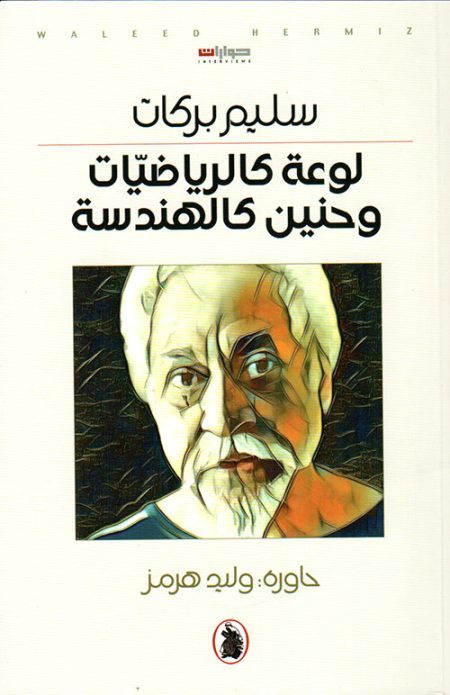
A literary and intellectual dialogue exploring experiences of writing, life, and solitude. It features reflections on poetry, language, and thought, alongside essays discussing the literary bond with Mahmoud Darwish and probing questions concerning language and intellect.
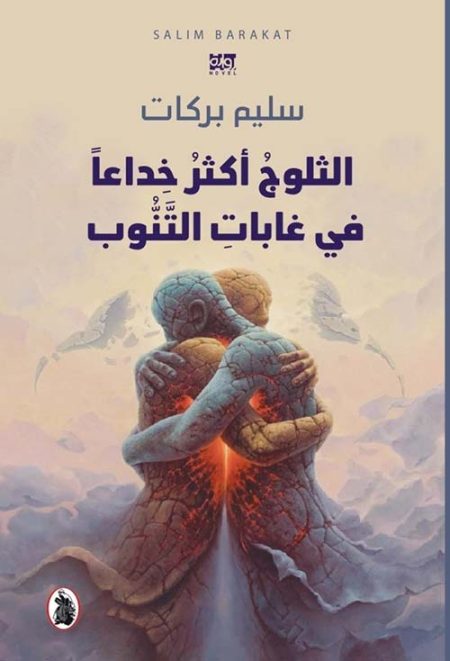
A psychological novel steeped in mystery and horror, it follows a man’s solitary retreat into a snow-covered forest—a journey that descends into a harrowing ordeal of disorientation, starvation, and haunting obsessions, as he confronts his own inner self and the grim imperatives of survival.
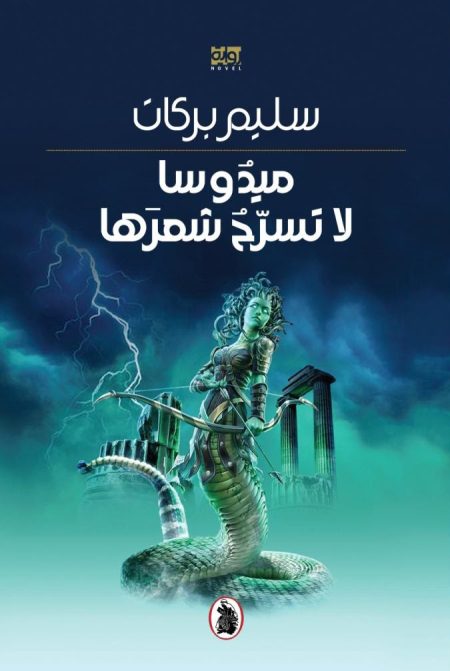
A novel inspired by the Greek myth of Medusa, centering on the formation of a city within a cave—a world where gods, humans, and serpents intertwine—told in rich, poetic language that blends fantasy, myth, and philosophy.
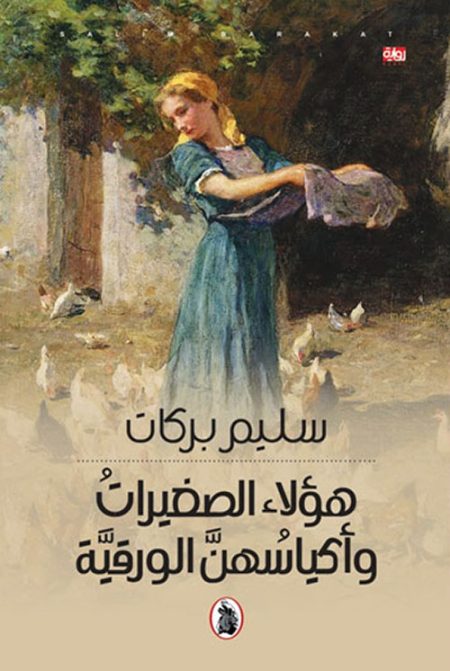
This novel unfolds in the Syrian city of Qamishli during the 1960s, centering on young girls who collect cement bags, repurpose them into paper bags, and sell them. Their initial competition escalates into conflict and revenge, all set against a vivid backdrop of rural life and social customs.
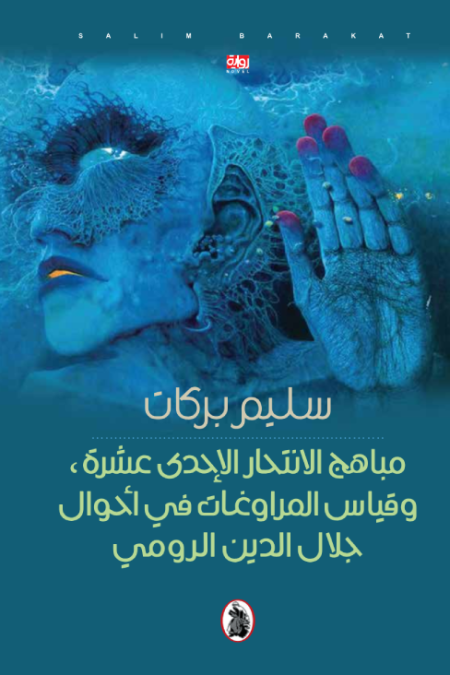
This novel features a labyrinthine narrative structure that blends fiction with Sufi and philosophical contemplation. It resurrects the figure of Jalal al-Din Rumi through a fantastical tale—rendered in rich, poetic language—where questions of existence, death, identity, and memory intertwine.
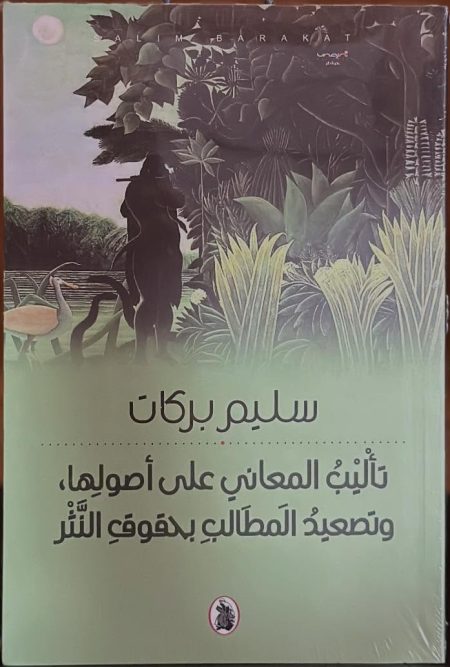
A collection of dense literary texts and musings that play with language and shatter familiar meanings, reshaping the relationship between poetry and prose through imagery, contemplation, and innovative linguistic imagination.
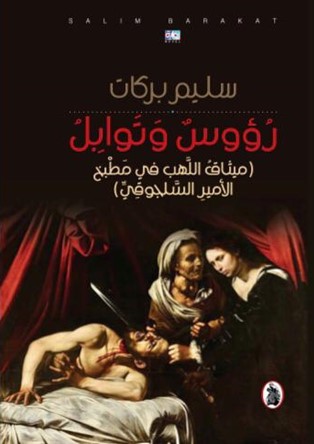
A historical novel set within the Sultanate of Rum Seljuks, where the palace kitchen becomes a sanctuary for an isolated prince, and where palace intrigues and family vendettas intertwine amidst an atmosphere charged with violence and conflict.
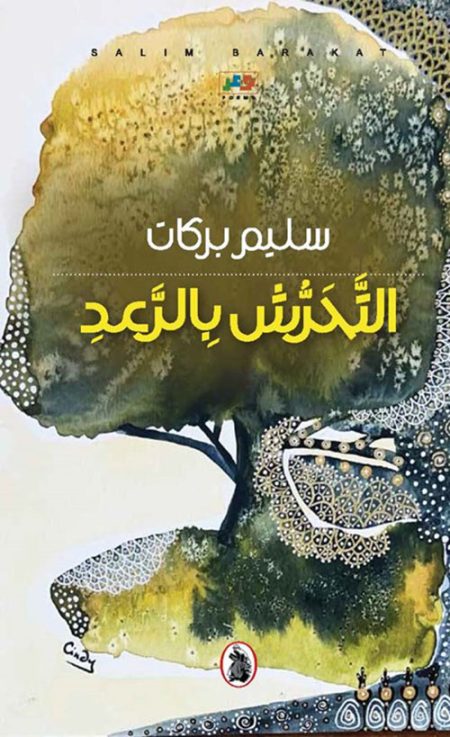
A poetry collection dense with language and imagery, blending existential reflection, memory, and place to construct a surreal poetic world where nature, time, and imagination intertwine in a singular linguistic experience.