962-7983-18423+
24/7 دعم

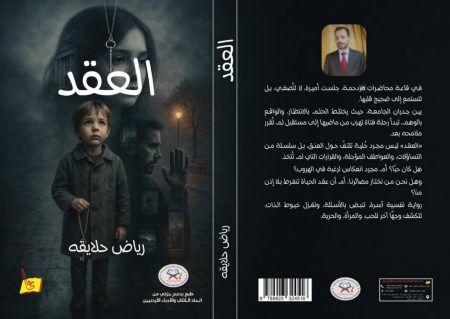
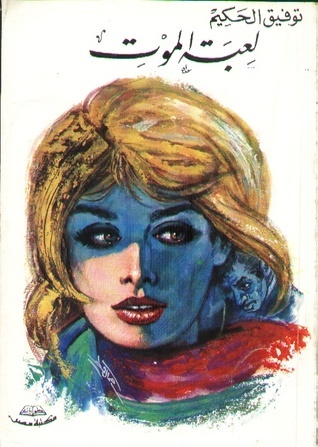
A novel that blends mystery and psychological suspense, revolving around intertwined events that reveal secrets and complex relationships, leading the characters to unexpected and fateful confrontations.
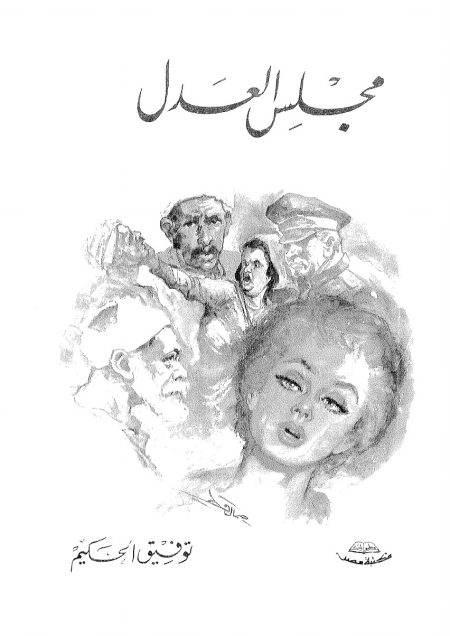
These short plays, imbued with satirical symbolism, address the absence of justice and the prevalence of oppression among humankind, raising profound human and social issues with a style that blends humor and reflection.
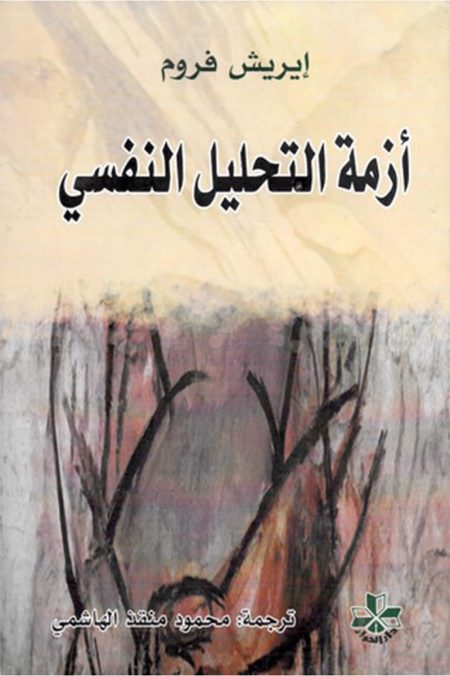
This book addresses the challenges faced by psychoanalysis in the twentieth century after Freud.
Fromm exposes the shortcomings of traditional approaches, calling for a deeper understanding of the human being that integrates psychoanalysis with the human and social dimensions.
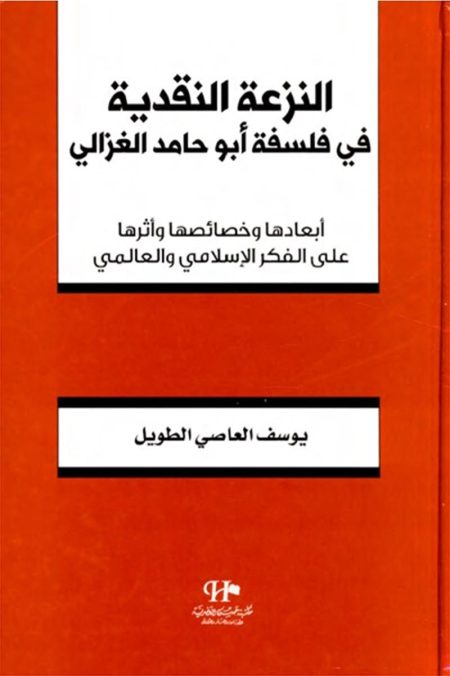
This analytical study examines the critical dimension in al-Ghazali’s thought, focusing on his method of deconstructing philosophy and its relationship to rational and religious debate, highlighting its impact on the formation of Islamic thought.
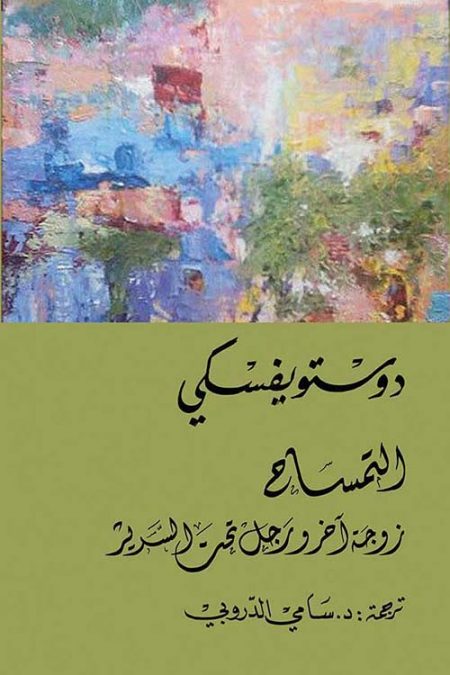
The plot revolves around an absurd and bizarre situation that exposes the contradictions of society and bureaucracy, using biting satire to raise profound questions about humanity, power, and reality.
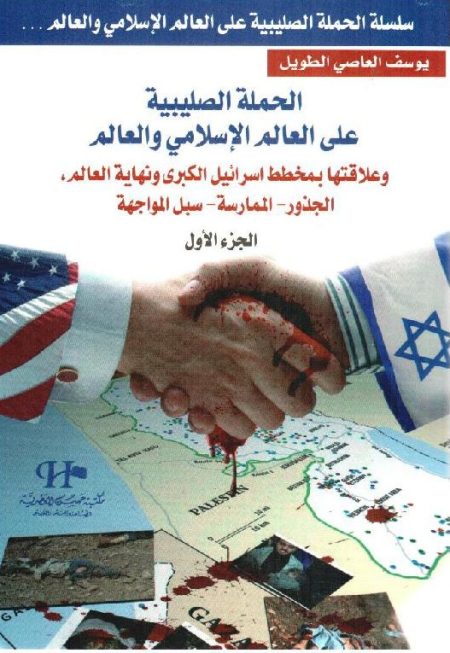
A book that discusses the roots of the modern crusade against the Islamic world, and links political and intellectual transformations, global hegemony plans, and the Greater Israel issue from a historical, religious, and political perspective.

The book discusses cultural issues in the Arab world, their historical transformations, and their relationship to the social and political structures, while also analyzing the crisis of Arab cultural thought and ways to overcome it.
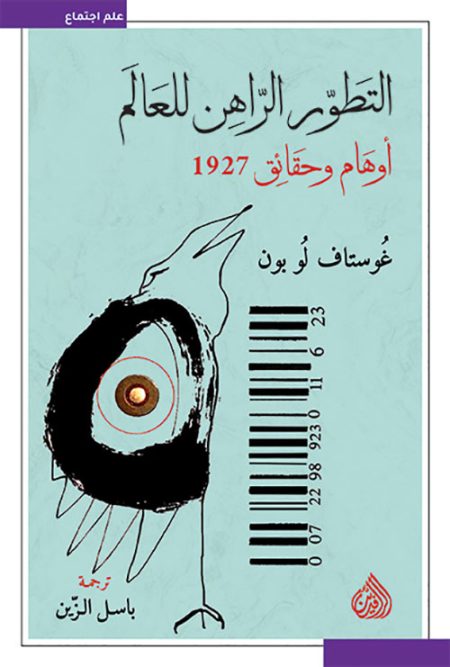
The book discusses the transformations of modern civilization and the rise and fall of nations from a socio-psychological perspective, analyzing the factors contributing to societal progress and decline and their impact on the contemporary world.
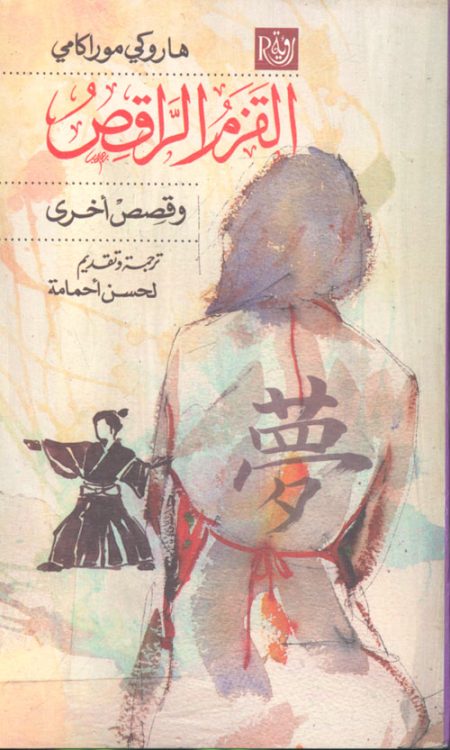
A collection of stories that blends the fantastical and the realistic with profound and insightful psychological reflections, where isolation, dreams, and human relationships intertwine in a captivating surreal atmosphere.
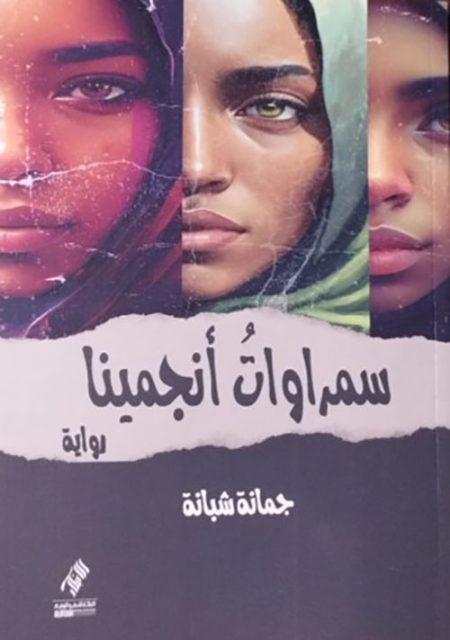
This novel sheds light on the suffering of minorities and the conflicts in various African regions through the experiences of these three young women who meet at the University of N’Djamena. There, they confront human and spiritual challenges that reveal issues of identity, oppression, and hope.
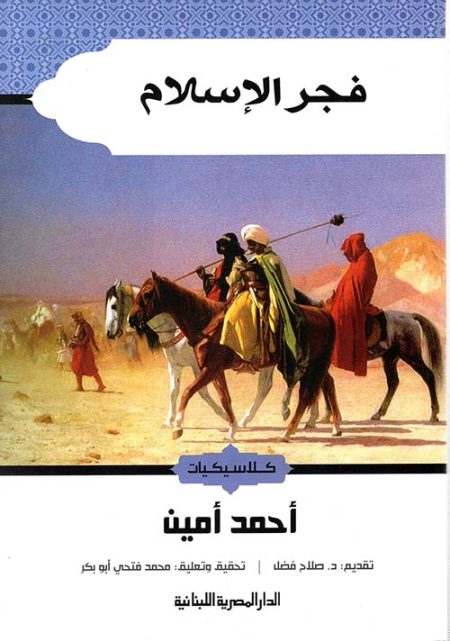
It addresses the emergence of Islamic civilization in its early periods. It reviews the development of intellectual, cultural and religious life, with an analysis of the factors that contributed to the formation of Islamic society and the flourishing of its sciences.
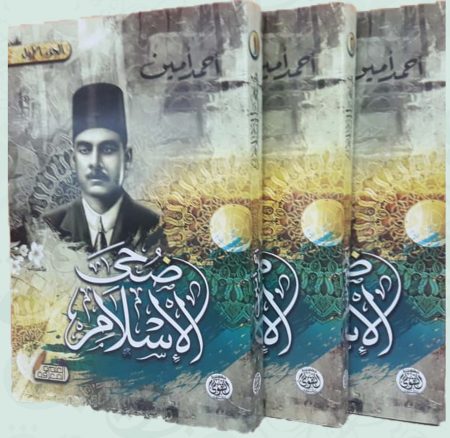
It explores the development of Islamic civilization in its various intellectual, political, and social aspects during its early periods, analyzing the events and trends that contributed to shaping and flourishing Islamic culture.
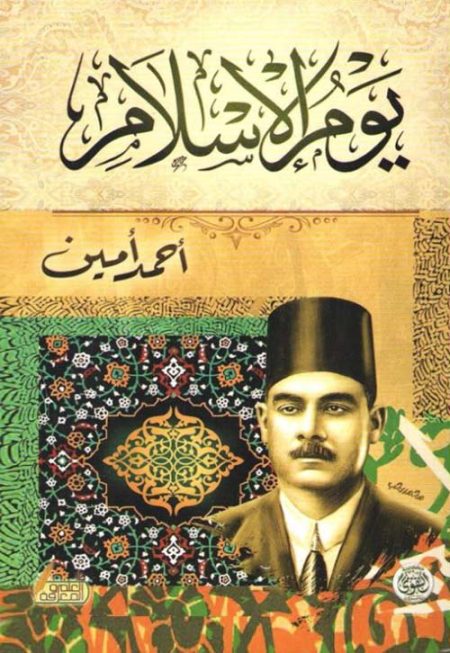
It presents the development of Islam through its historical stages, clarifying its origins, principles, and the most significant transformations it underwent, along with an intellectual analysis of its impact on human civilization and the reasons for its strength and weakness throughout the ages.
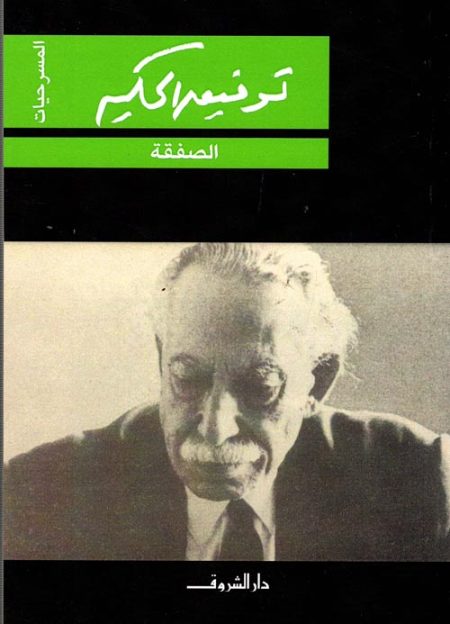
A social drama set in the Egyptian countryside, it revolves around a group of peasants striving to own land despite poverty and hardship, revealing their struggle against greed and exploitation, and their unwavering commitment to hope and dignity.

A profoundly human novel exploring isolation, power, and social oppression through the fate of an individual confronting a cruel system, revealing humanity’s struggle against injustice, loneliness, and existential questions of freedom.
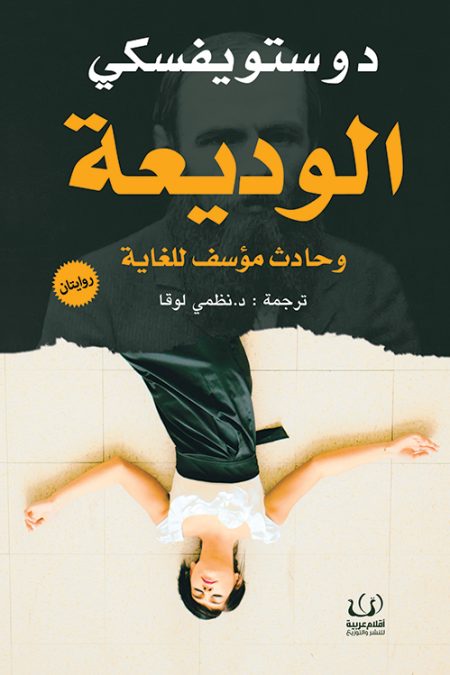
Two short stories that delve into the depths of the human psyche, revealing moral and social contradictions through poignant events that blend psychoanalysis, satire, and drama.
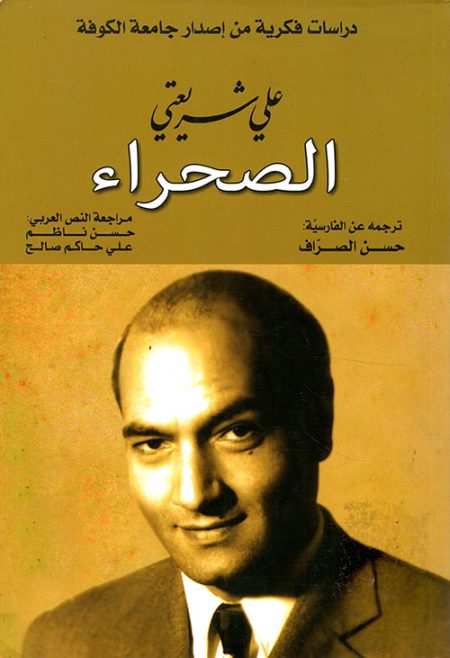
He offers profound reflections on humanity, existence, and freedom, using the desert as a symbol of solitude and the search for truth, in a style that combines philosophical thought with a humanistic approach.
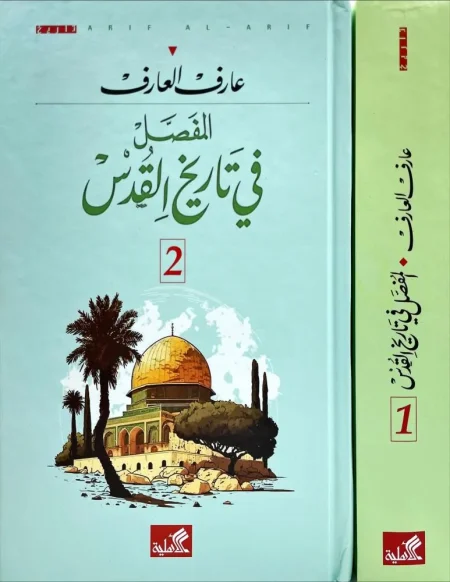
This book meticulously documents the history of Jerusalem throughout the ages, addressing its political, religious, and social development, highlighting its cultural significance, and recounting the most important events it has witnessed.
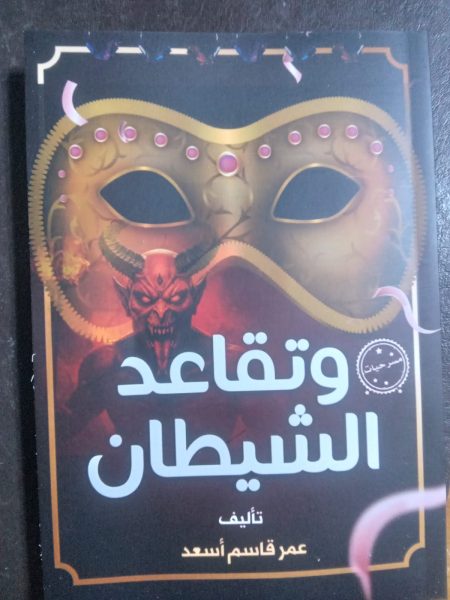
This satirical play sheds light on gossip and rumors and their impact on society, through humorous dialogues that demonstrate how some humans can even surpass the devil himself in spreading discord and fabricated stories.