962-7983-18423+
24/7 دعم

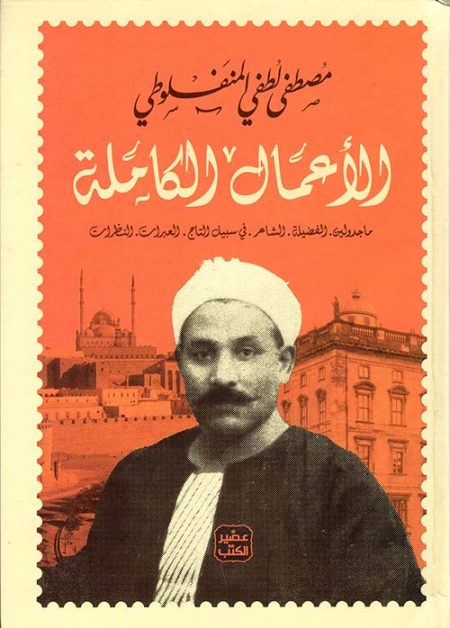
A literary collection that includes the most prominent writings in modern Arabic prose, including articles, stories, and human and social reflections, in a delicate and emotional linguistic style that combines wisdom and eloquence.
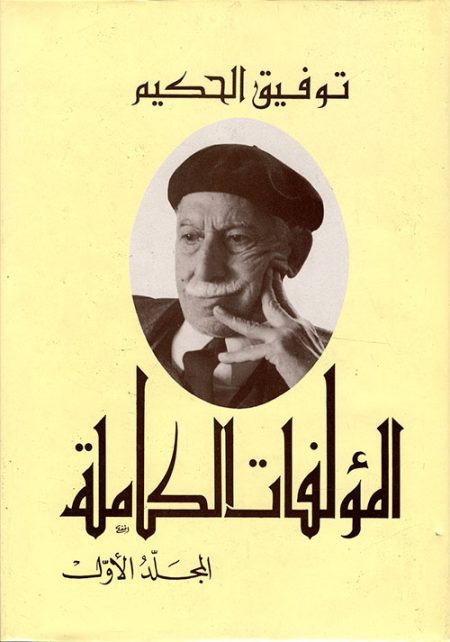
This comprehensive collection includes prominent literary, intellectual, and theatrical works, reflecting the evolution of human, social, and philosophical perspectives through diverse texts that have left a significant mark on modern Arabic literature.
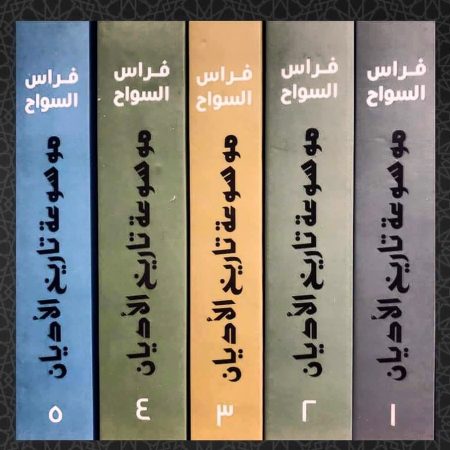
A comprehensive encyclopedia that analytically and meticulously examines the history of religions and the evolution of religious beliefs and practices across different eras and civilizations.
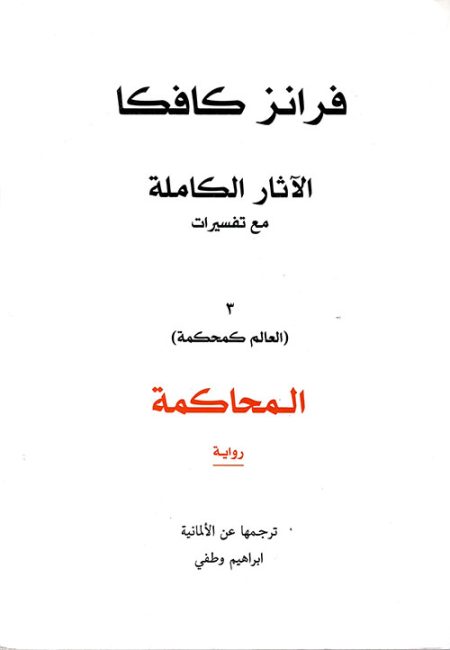
It is a dense narrative in which a man pursues himself, accused without knowing his crime, within a suffocating and mysterious system controlled by an opaque authority. The text exposes the absurdity and alienation of humanity and delves into the individual’s anxiety before an unseen and incomprehensible law.

This part presents a narrative simulation and characters confronting the challenges of industrial society and its effects on the individual, offering critical and analytical insights into existence and modernity. It reflects a philosophical and literary style that blends narrative with reflection on the meaning of life within an accelerating industrial system.
These texts and short stories delve into the anxieties of modern man, revealing his struggle with existence, power, and isolation, using dense symbolic language and a nightmarish atmosphere that reflects the fragility of meaning and identity.
It is a nightmarish narrative that follows the struggle of a man against an unseen, mysterious authority, where bureaucracy transforms into an existential labyrinth that reveals isolation, alienation, and a loss of meaning in a closed world.
This collection of literary texts explores profound themes of human relationships and psychological and social transformations, combining narrative storytelling with critical analysis. It portrays the individual’s reflections within the family and society through four diverse works that blend existentialism and symbolism.
A collection of short stories that reveal a strange, gloomy world, where isolation, anxiety, and absurdity intertwine with everyday reality, and present the human experience in its most fragile moments in an intense and meaningful style.
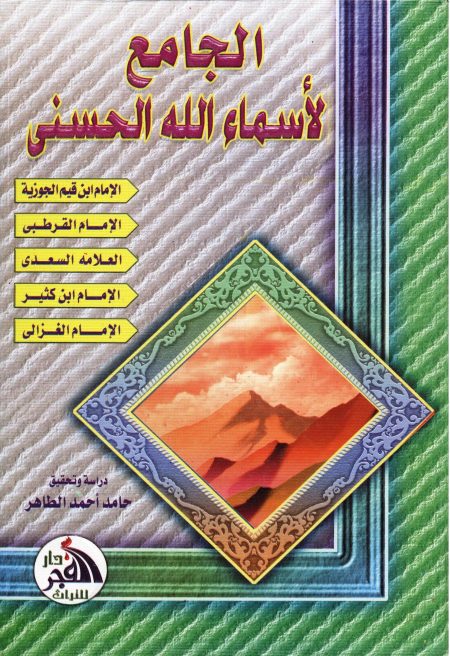
The book explains the Beautiful Names of God in terms of their meanings and their implications for faith, connecting them to the Muslim’s conduct and relationship with their Lord, in a style that deepens understanding, strengthens certainty, and nourishes the spiritual and doctrinal aspects of life.
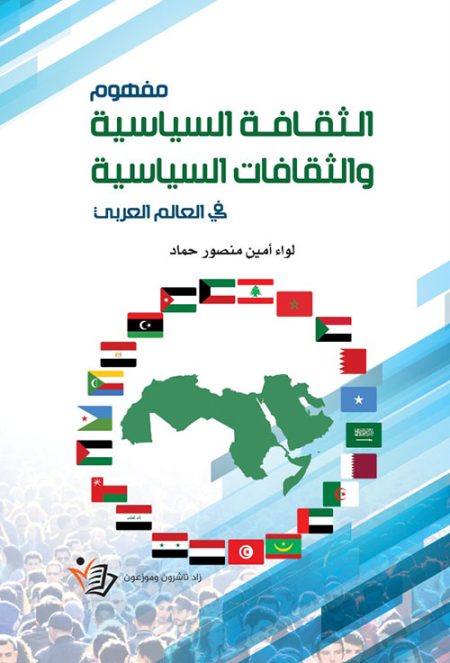
It addresses the concept of political culture in the Arab world and its impact on shaping political awareness, citizenship, and community participation, while analyzing the reality of Arab political cultures, their challenges, and their implications for development and stability.
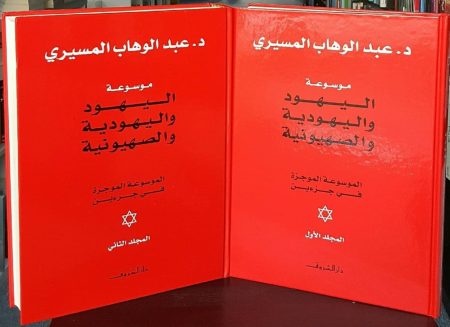
This intellectual and analytical encyclopedia addresses the history of Judaism and Zionism, their intellectual, political, and social structures, along with a critical study of the concepts and movements associated with them, presented in a clear, concise, and comprehensive style.
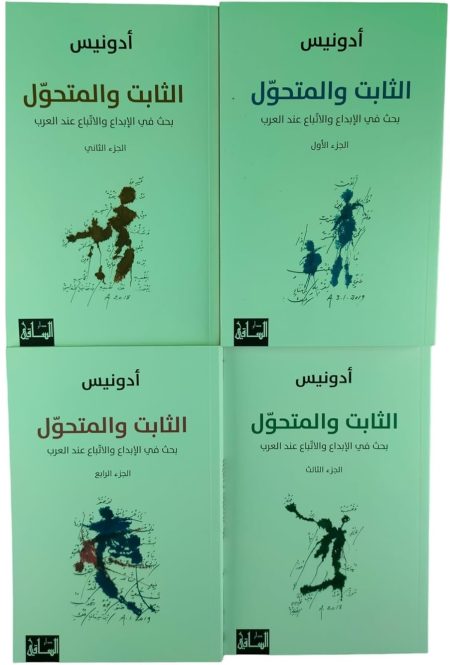
This intellectual study examines the evolution of Arabic thought and literature between tradition and innovation, analyzing the roots of creativity in the cultural heritage. The work presents a bold critical vision that reinterprets literary history through a contemporary philosophical lens.
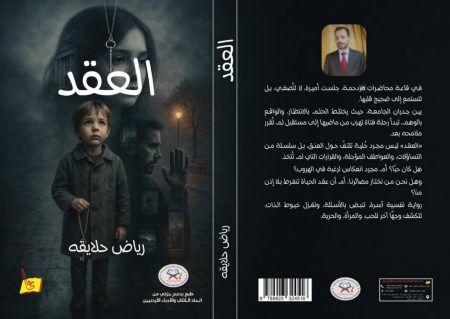
A novel that blends mystery and psychological suspense, revolving around intertwined events that reveal secrets and complex relationships, leading the characters to unexpected and fateful confrontations.
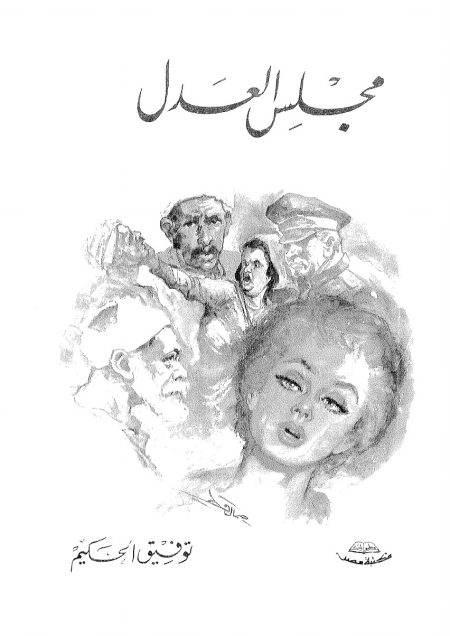
These short plays, imbued with satirical symbolism, address the absence of justice and the prevalence of oppression among humankind, raising profound human and social issues with a style that blends humor and reflection.
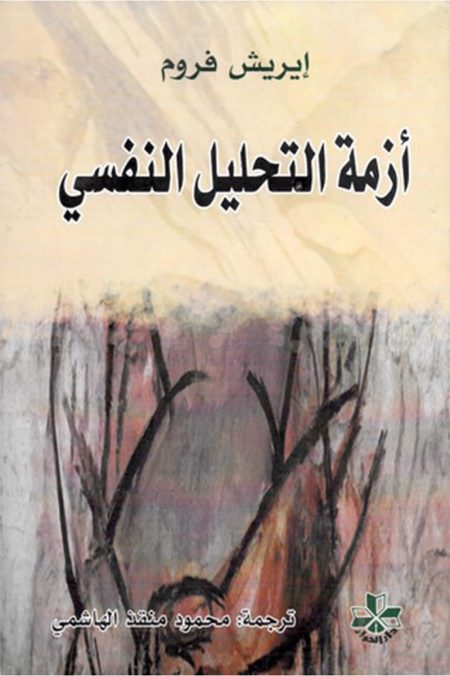
This book addresses the challenges faced by psychoanalysis in the twentieth century after Freud.
Fromm exposes the shortcomings of traditional approaches, calling for a deeper understanding of the human being that integrates psychoanalysis with the human and social dimensions.
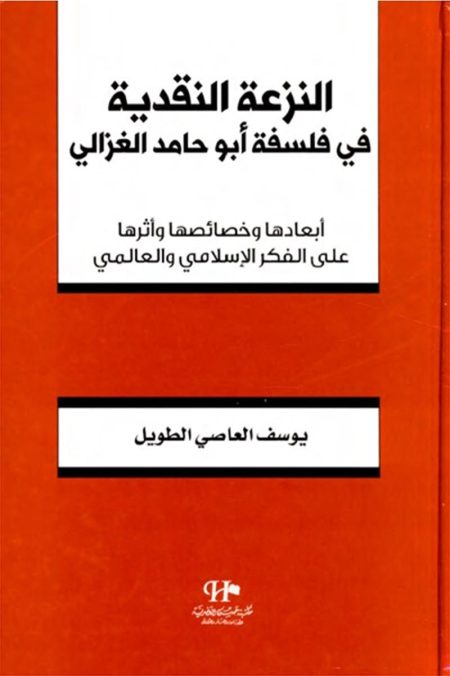
This analytical study examines the critical dimension in al-Ghazali’s thought, focusing on his method of deconstructing philosophy and its relationship to rational and religious debate, highlighting its impact on the formation of Islamic thought.
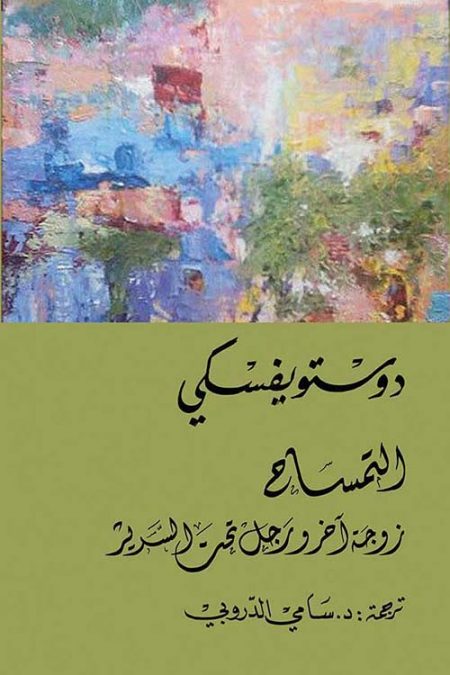
The plot revolves around an absurd and bizarre situation that exposes the contradictions of society and bureaucracy, using biting satire to raise profound questions about humanity, power, and reality.
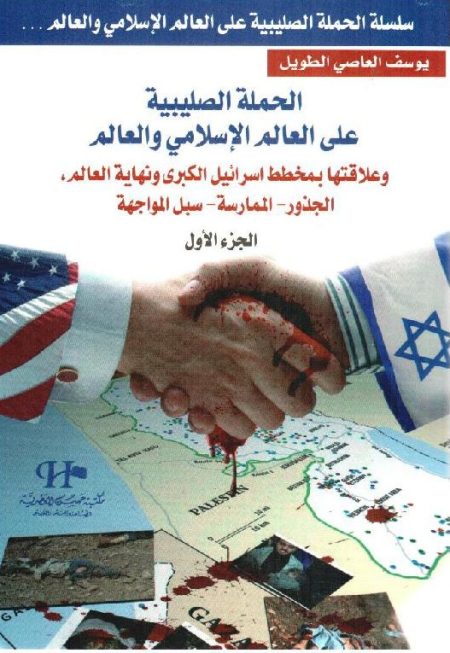
A book that discusses the roots of the modern crusade against the Islamic world, and links political and intellectual transformations, global hegemony plans, and the Greater Israel issue from a historical, religious, and political perspective.