
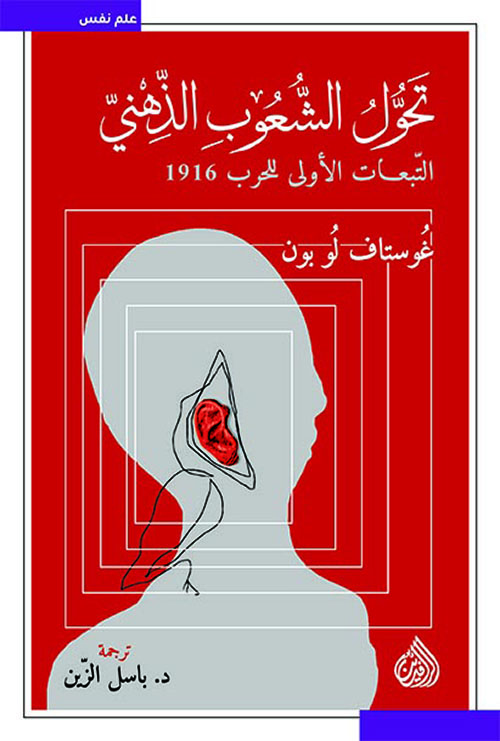
Description
This book falls within the conceptual framework of Le Bon’s earlier work, “Psychological Lessons from the European War.” Thus, while Le Bon relied heavily on a collection of letters and telegrams in the first book to establish the reality of what transpired before the outbreak of the World War, in this book he focuses on identifying the potential consequences that could arise from it. Mental transformation is the value upon which the development of any nation hinges. The presence of the same mental structure, under the same conditions or amidst different circumstances, inevitably leads to the same consequences. To this end, Le Bon identifies three mentalities, two of which underwent a significant transformation, while the third occupied an intermediate position. The author begins by presenting the pacifist mentality that prevailed in Europe, which sought to avoid involvement in the war and, for example, prevented France from preparing for it. Through an analysis of the events of the Great War, Le Bon examines what he calls the mental evolution of the nations that entered the war and learned from their costly experiences, as exemplified by Russia’s retreat from its arrogance after its clash with Japan. Or perhaps the latter transformed from a consumer nation to a producer as a result of the horrors of war, leading to a collective mentality awakened by a scientific revolution that propelled the country into a new era. From his study of the German mindset, he moves on to examine the American perspective, which recognized the fragility of peace and neutrality, prompting a drive to arm itself and build a formidable army to guarantee its security in the event of aggression. After examining the major powers involved in the Great War, the author arrives at a number of unique conclusions that consider the future of peace and war for humanity and the challenges it faces, highlighting, as is his custom, opinions worthy of reflection and attention.














Reviews
There are no reviews yet.