
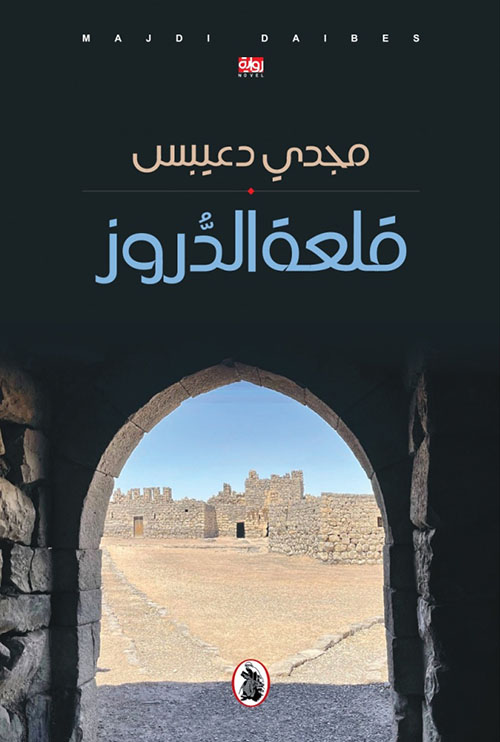
Description
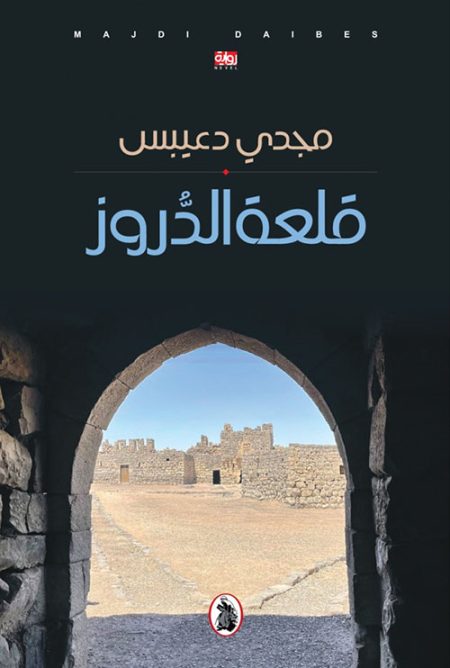
In this novel, author Majdi Deaibes employs narrative techniques that have become characteristic of his style. He allows his characters to introduce themselves; as their paths increasingly intersect, they reappear at various stages to provide further self-revelation, shedding light on their roles, their complex interconnections, and their ties to others. It is not only the characters who define themselves—places do so as well. The narrative opens with the “Azraq Oasis,” which speaks from its own memory, describing how it emerged as a salt marsh within a desolate desert, eventually embracing birds, animals, humans, settlements, and all the elements of life.
In this way, the novelist constructs a plot whose threads are woven together with the active participation of the reader. The oasis and its citadel offered its inhabitants more than just safety; they provided a precious commodity—salt—which was a rare and valuable resource at the time.
This natural economic product served as a link between the people and their broader environment—connecting them to cities and their marketplaces, the countryside, the nomadic desert regions, popular uprisings, Ottoman rule, and, subsequently, the power of the French Mandate.
These pivotal factors shaped the collective consciousness of those who had fled for their lives, escaping the upheavals caused by shifting regimes, governments, and national revolutions.
Reviews
There are no reviews yet.