
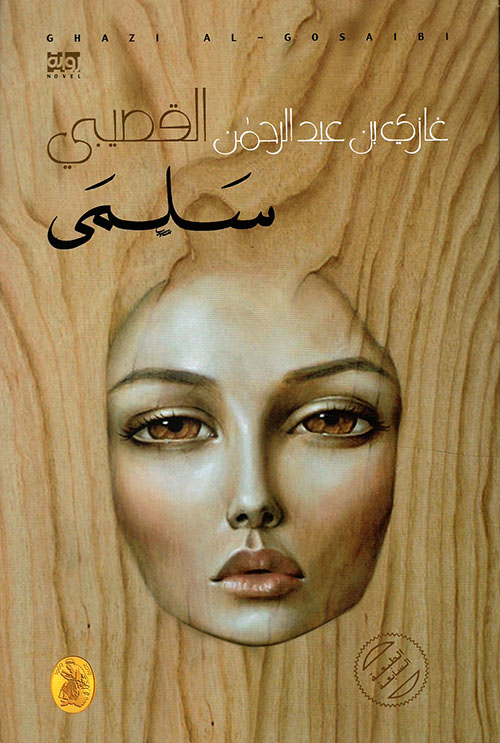
Description
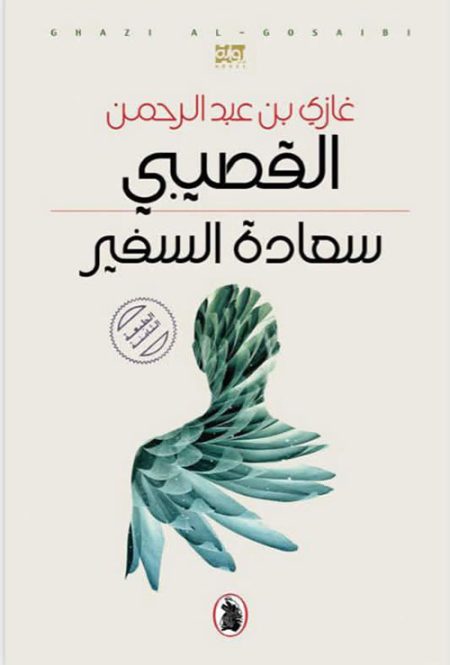
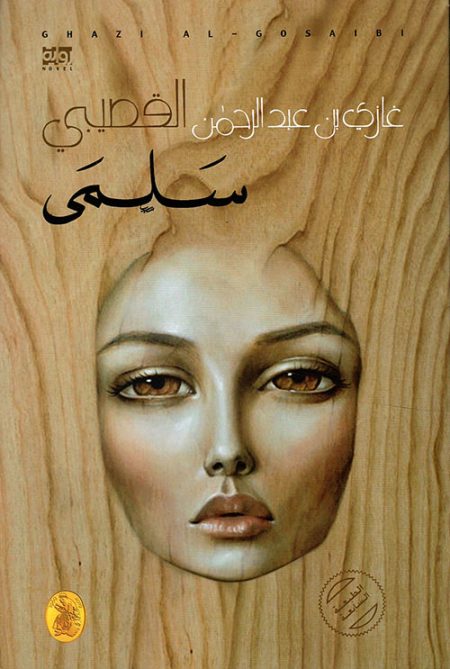
Dr. Rashid, the family physician, shakes Salim’s hand and says, “My deepest condolences; she was a remarkable woman.” Salim murmurs, “Thank you, Doctor. You spared no effort in caring for her, but death is inevitable—every life has its appointed time. I used to look forward to my weekly visits. Her conversation was truly engaging; she was a genuine intellectual who had read widely. She both read and wrote—she authored four books… all on history. It was a four-volume series titled *Decisive Moments in History*. Ah—history and literature, history and poetry, history and politics. These were the subjects that defined her conversations… Yet, lately, she had begun to blur the lines between history and reality. She often told me that history is the only present.” The doctor appears somewhat hesitant, then overcomes his hesitation and says, “Mr. Salim! There is something strange—something strange regarding her death, may she rest in peace…” “What do you mean? Didn’t she die of cardiac arrest? Wasn’t that in the hospital report? Didn’t she suffer from chronic heart disease? There is no doubt she died of cardiac arrest—absolutely none.” “Then what is the strange thing?” “The strange thing, Mr. Salim, is that the nurse found the bed covered in bloodstains, and her nightgown was also stained with blood, even though there wasn’t a single wound on her body.” Salim falls silent, then smiles and says, “And what is so strange about that? Isn’t history the only present?” *Salma* is a story and a series of contemplative pauses where time flows into the present setting. It showcases Al-Qusaibi’s skill in entering history and returning to the present, and in evoking significant historical events while infusing them with the living resonance of the present—a present still haunted by the tragedy of those past moments. Salma is the character who faithfully embodies Al-Qusaibi’s vision; she bears the burdens of the contemporary Arab world, holds the memory of its past errors, and dreams of revisiting that history. She seeks to pinpoint the causes of the missteps that have wounded the Arab heart—both past and present—hoping to rectify them, if only through the realm of imagination. Through Salma, Al-Qusaibi weaves between past and present: pausing at the era of Gamal Abdel Nasser, and delving deeper into the Arab experience in Al-Andalus, the life of Al-Mutanabbi, the fall of Baghdad, and the legacy of Ahmed Shawqi. These milestones are accessed via the dial of Salma’s radio—a device that serves as a window for Al-Qusaibi’s imagination to traverse various worlds. It brings back threads that intertwine literature with politics, the social with the deeply personal, all while bearing Al-Qusaibi’s distinctive touch—one that unerringly reaches the reader’s emotions, sensibilities, and intellect.
Reviews
There are no reviews yet.