962-7983-18423+
24/7 دعم

arts
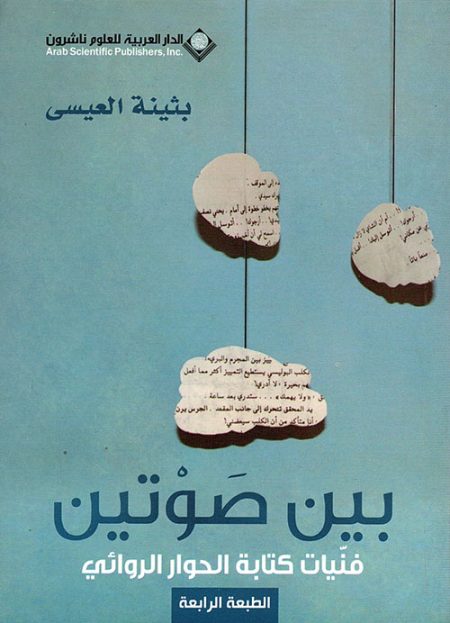
It explores the techniques of constructing dialogue in narrative fiction and how to utilize it to create characters and develop events, focusing on the artistic and linguistic aspects of dialogue within the literary text.
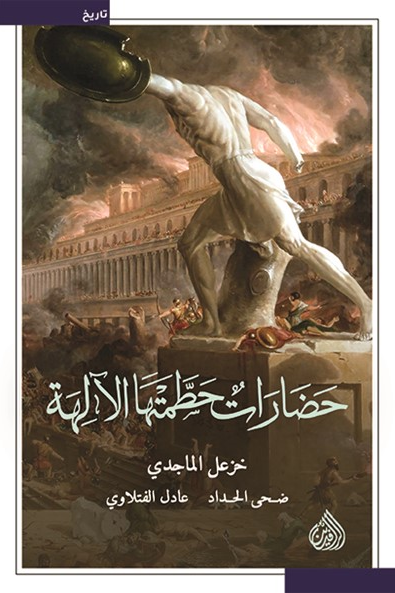
This study explores the centrality of the female deity in ancient civilizations, demonstrating how societies shifted with the transformation of religious and symbolic structures from sacred femininity to masculine dominance, drawing upon a profound mythological and historical analysis.
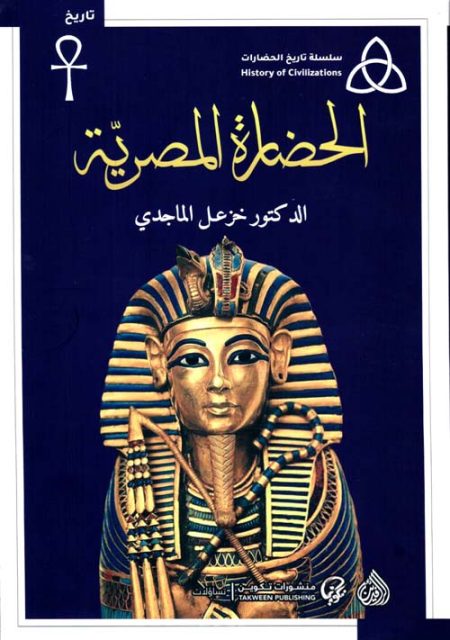
This book explores the history of ancient Egypt from the dawn of civilization on the banks of the Nile to the end of its great eras, analyzing its political, religious, artistic, and social systems. It presents a comprehensive picture of the development of the state, architecture, mythology, and sciences in one of the world’s oldest civilizations.
This collection of memories and reflections blends the world of art with experiences working in the judiciary, presenting human and intellectual scenes that reveal the contradictions of society and offer a profound vision of life and culture.
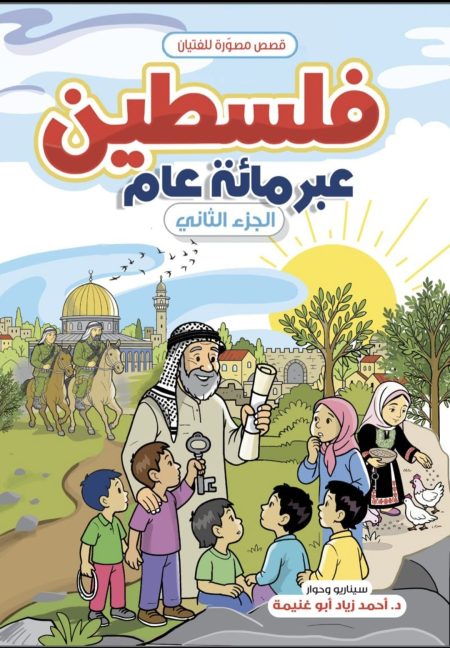
This work presents a visual narrative of Palestinian history over a hundred years, aimed at young people in a simplified style that combines illustrated storytelling with historical documentation, showcasing important milestones in Palestinian memory.
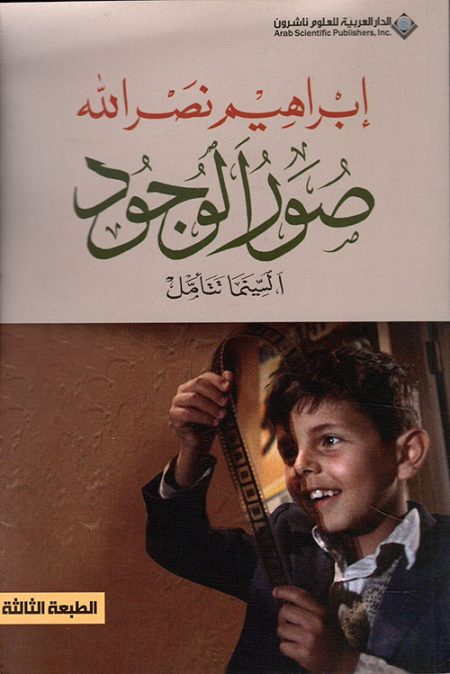
This book explores the relationship between cinema and human existence, offering an intellectual and aesthetic reading of films as a mirror reflecting questions of life, meaning, and identity through profound and intense visual images.
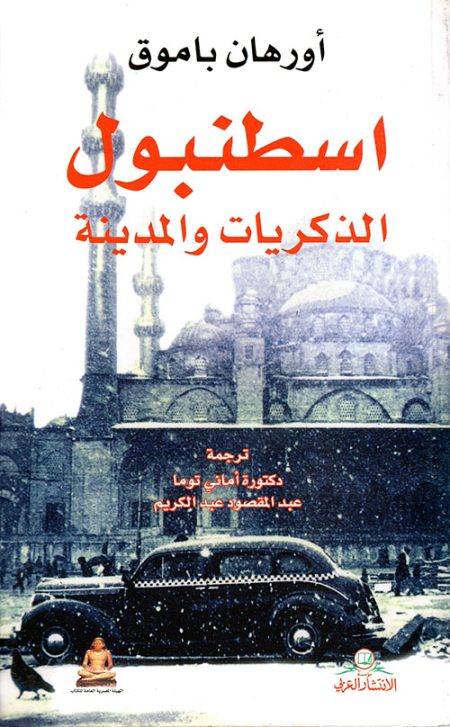
The alleys of Beyoğlu, its dark corners, the urge to escape, and the guilt flicker within my mind like neon lights. I know there won’t be a fight with my mother that night, that soon I’ll open the door and escape into the alleys that offer me solace. After a long walk, I’ll return home in the middle of the night and sit at the table to extract something from the atmosphere and chemistry of these alleys.
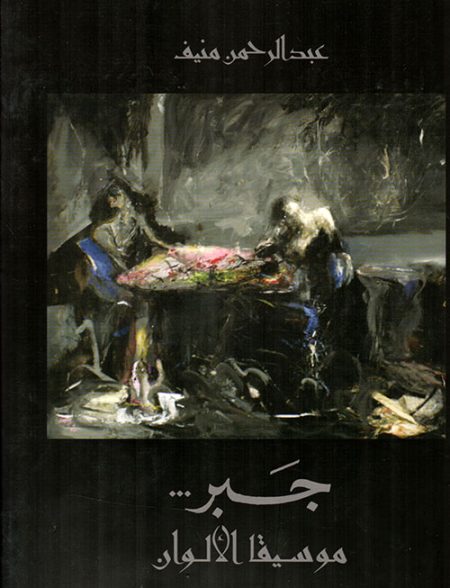
This literary text contemplates the relationship between humanity, art, and color, revealing how music and color transform into an inner language that expresses the depths of human experience and its contradictions.
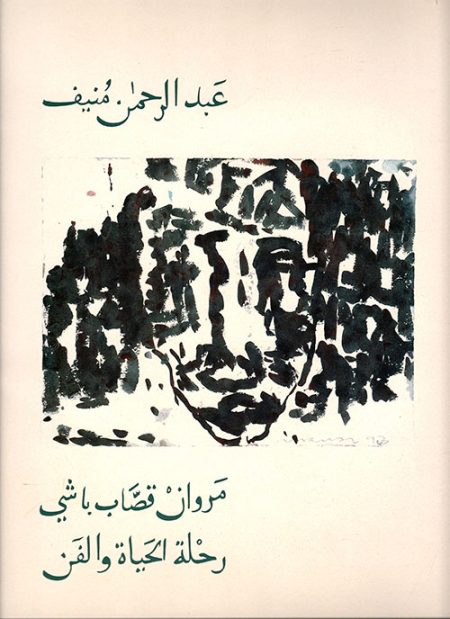
The book documents the artistic and human journey of Marwan Kassab Bashi, showcasing his childhood, his creative experience, and his artistic transformations in a style that blends biography with artistic and cultural analysis.
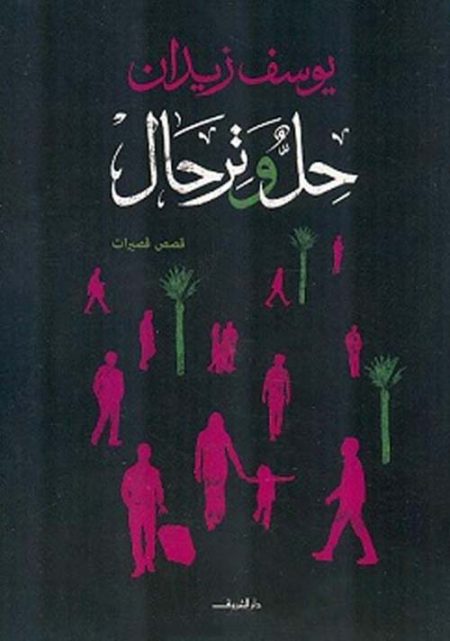
This book brings together reflections and intellectual and geographical journeys, recounting diverse experiences of place and people in a literary style that combines narrative and knowledge, revealing a profound understanding of cultures and life.
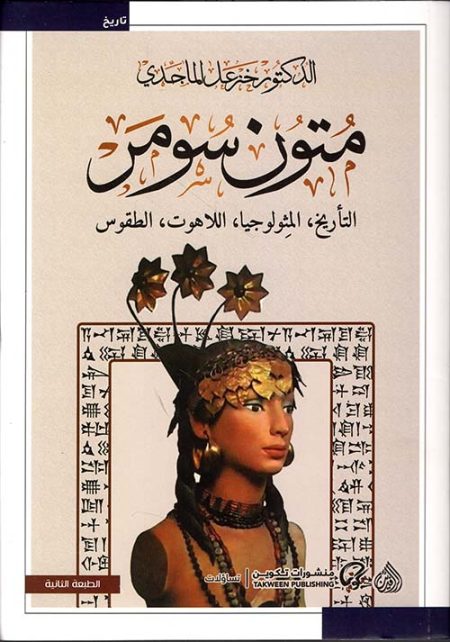
It presents translated and critically edited Sumerian texts that reveal the mythological and intellectual structure of the oldest written civilization in history, showcasing the epics, hymns, and poems that shaped the religious and symbolic consciousness of Mesopotamia.
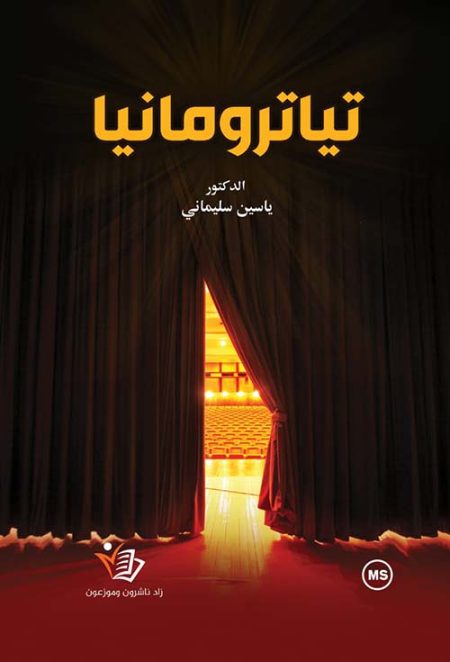
This critical work explores theater as an art form that reveals the dimensions of humanity and beauty, offering readings and reflections on theatrical performances and their role in understanding life and art.
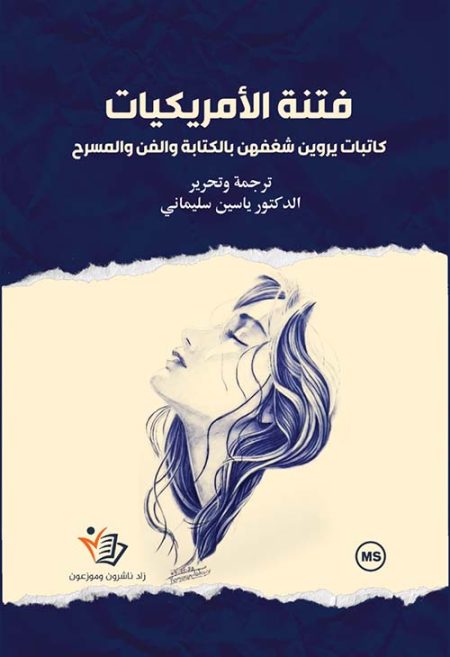
A collection of dialogues with American women writers exploring their relationship with writing, art and theater, and discussing issues of identity, feminism, creativity and the role of literature in understanding and expressing reality.
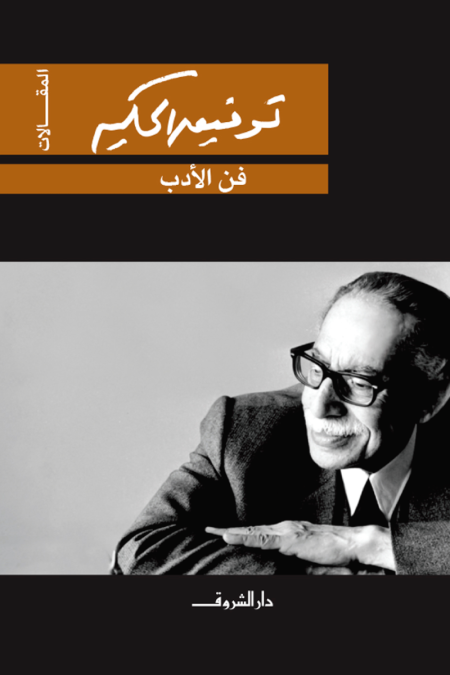
This book explores the deep relationship between literature and art, and presents intellectual and critical reflections on creativity, Arabic literature, and the role of literature in civilization and life.
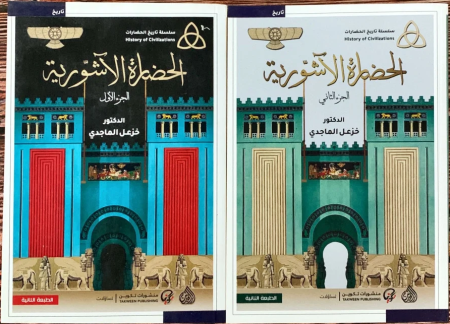
A comprehensive study examining the rise of the Assyrian Empire and its political, military, and cultural development, along with an analysis of its social, religious, and artistic structures.
The work explores the role of the Assyrians in shaping the history of Mesopotamia and their influence on neighboring civilizations throughout the ages.
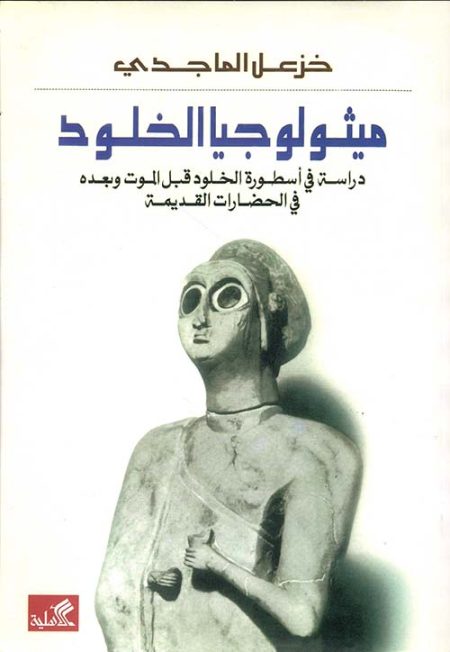
The work explores the concept of immortality in ancient civilizations through myths, religious texts, and ritual symbols, analyzing humanity’s eternal quest to transcend death and understand its existential destiny.
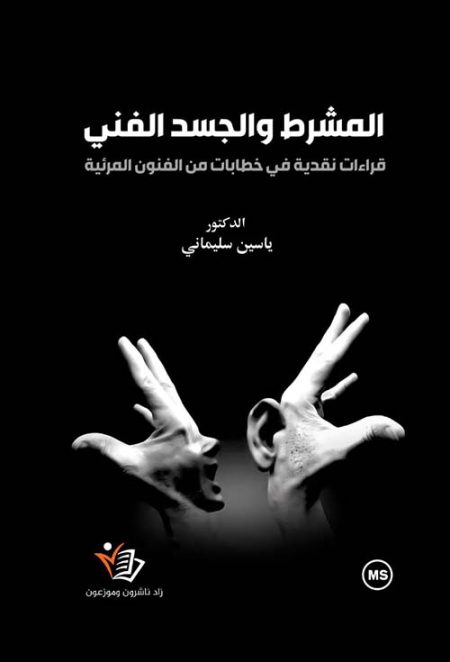
It offers critical readings of theatrical, cinematic, and television works, analyzing the discourses of the visual arts and highlighting their aesthetic and intellectual dimensions from a contemporary critical perspective.

It documents an aspect of the folk heritage associated with celebrations in the Levant, and includes ululations, cheers, and folk songs, along with an explanation of their social and cultural significance and their role in happy occasions.
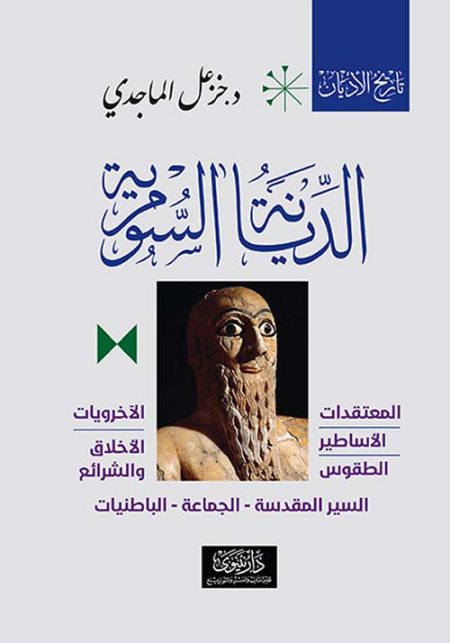
This book explores the beliefs, rituals, and myths that shaped the spiritual structure of Sumerian civilization, examining its deities and its view of the universe, creation, and death. It offers an analytical study of cuneiform texts and religious symbols to understand the roots of religious thought in Mesopotamia.
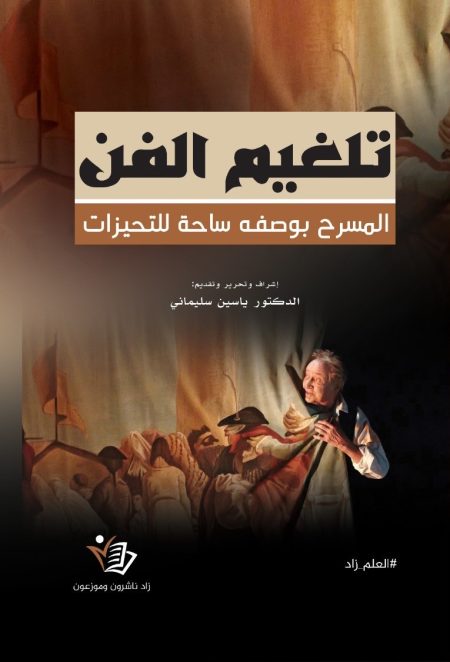
These questions offer a comprehensive analysis of the concept, its implications, and its complexities within the global theater landscape. A critical study that addresses the concept of bias in theatrical art, and examines its manifestations within theatrical texts and performances, and its relationship to the intellectual and cultural visions that shape the artwork.