962-7983-18423+
24/7 دعم

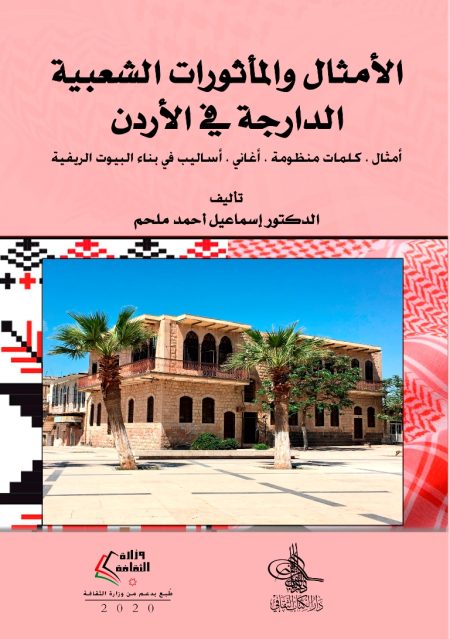
This book documents a large collection of proverbs and sayings commonly used in Jordan, revealing the values, customs, and social perceptions they embody, reflecting the life and heritage of the community across successive generations.
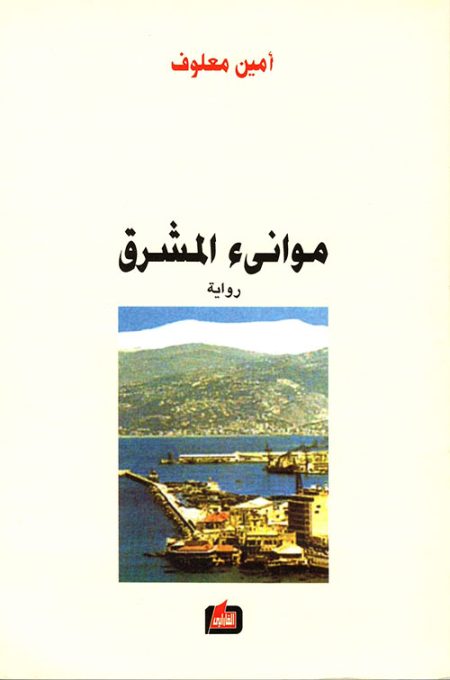
The narrative blends history with memories, showcasing the transformations of the Levant through characters and places whose destinies intersect. The text flows as a contemplative journey exploring identity, belonging, and the transformations of the sea that witnessed the birth of civilizations and their conflicts.
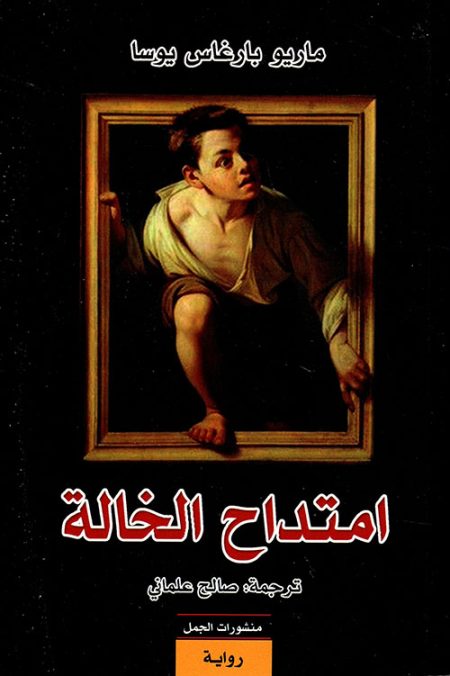
This daring novel explores desire and the hidden aspects of family relationships through an atmosphere charged with seduction, jealousy, and imagination. It tackles the boundaries of morality and innocence with a provocative literary style.
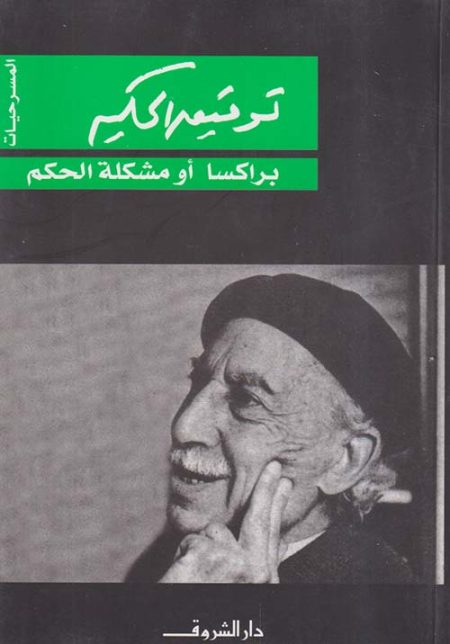
This symbolic political play explores the struggle for power and governance through events in a society where women strive for leadership, raising profound questions about justice, corruption, the nature of power, and its impact on humanity.
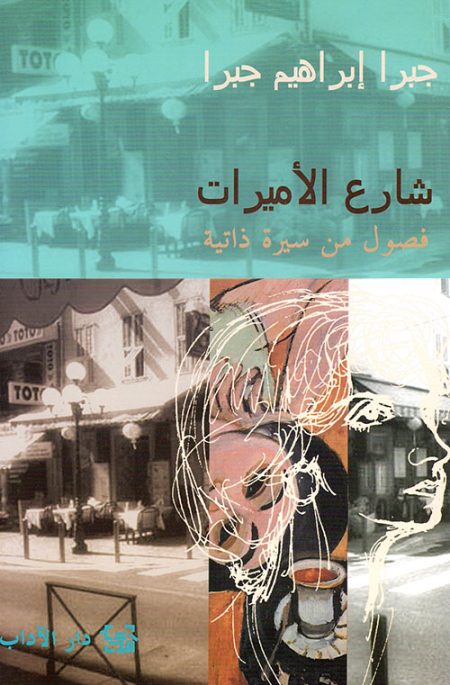
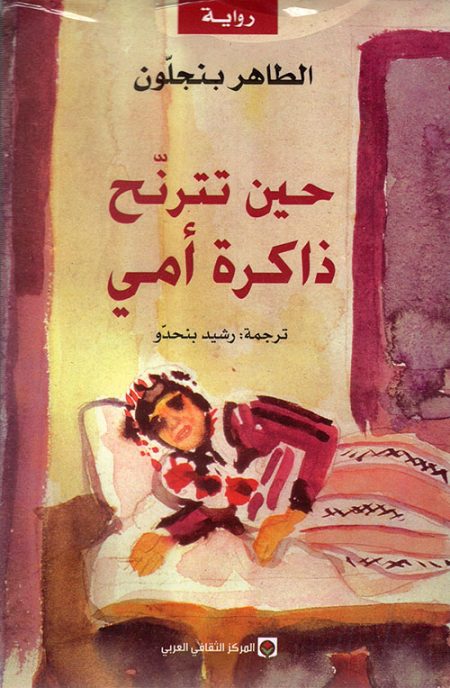
This novel presents a complex picture of women’s lives in a traditional society, exploring their internal and social conflicts. The author blends psychological narrative with social analysis to reveal the cultural and human challenges facing the characters.
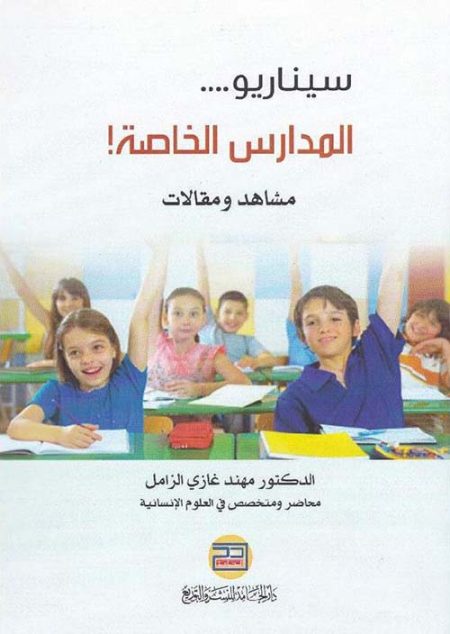
This book comprises a collection of essays and critical observations that shed light on the reality of private schools and discuss the educational, social, and economic challenges facing families and the educational system in a realistic and analytical manner.
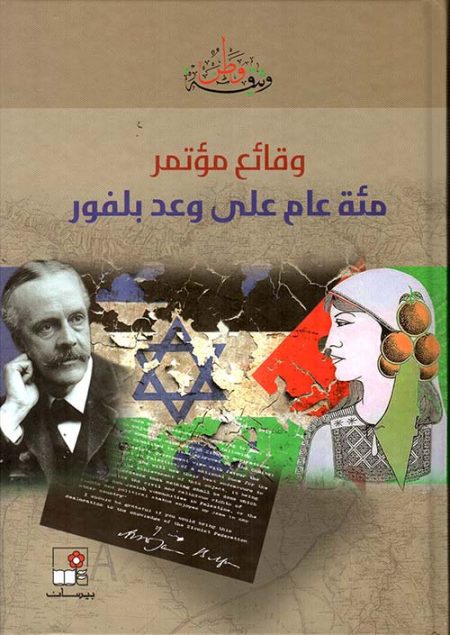
This work documents the proceedings of an intellectual and political conference held one hundred years after the Balfour Declaration, and includes interventions and research discussing its historical, legal and political dimensions and its ongoing impact on the Palestinian cause.
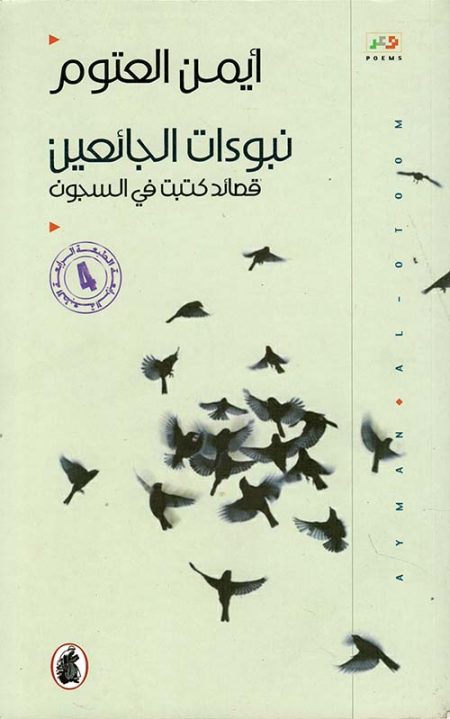
These poems pulsate with the pain of imprisonment and the dignity of humankind, evoking hunger as a symbol of deprivation and rebellion. They are poems written from the heart of darkness to reveal the strength of the spirit in the face of oppression.
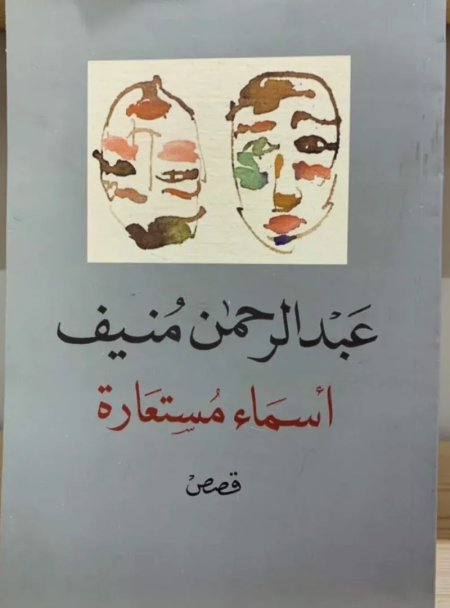
A novel that explores the transformations of the Arab individual under political oppression and alienation, revealing the struggle of identity and fear through characters who live under pseudonyms to escape a crisis-ridden reality.
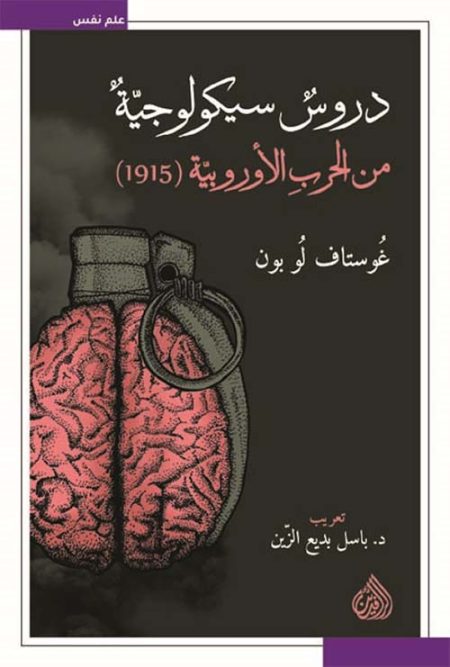
This analytical study explains the impact of war on groups and human behavior, exploring the psychological and social motivations that govern political and military decisions during major conflicts, while also observing the shifts in collective consciousness during times of crisis.
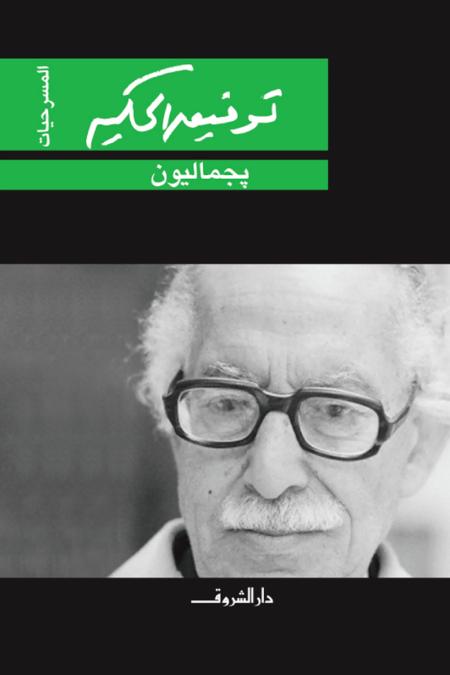
A symbolic play about an artist caught in a conflict between his dream of the perfect ideal and human reality, addressing in a philosophical style the idea of beauty, love, and the limits of attachment to idealism.
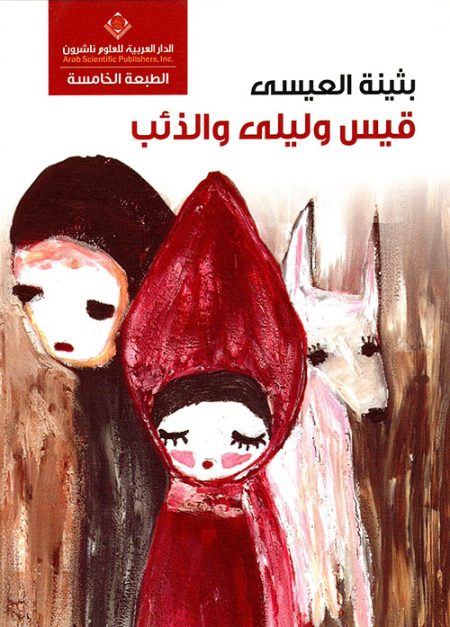
This novel deconstructs classic romantic tales within a symbolic narrative that blends love, conflict, and fear, raising questions about the human meaning of relationship and destiny.
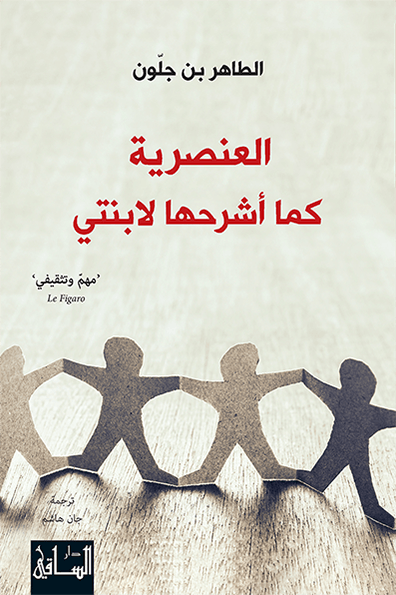
This book explains the concept of racism and its impact on society in a simple and direct way, offering children ways to understand difference, respect others, and cultivate the values of equality and tolerance.
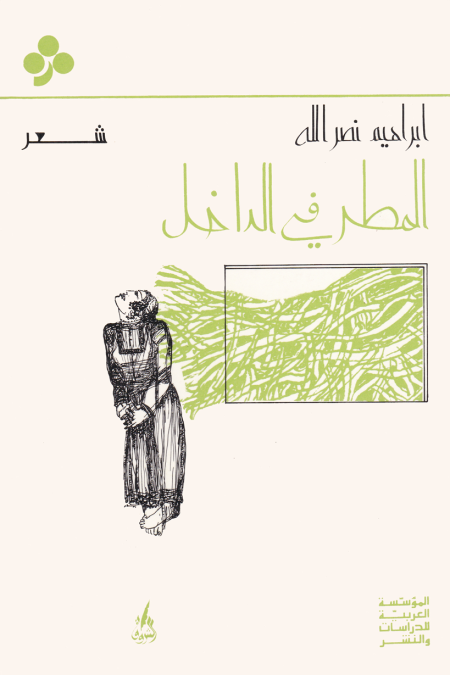
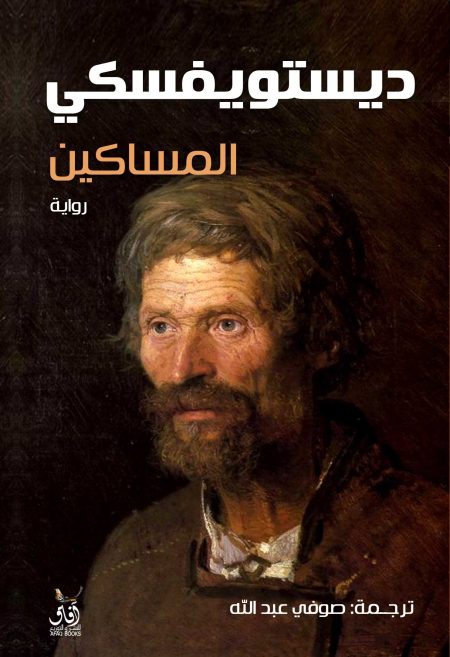
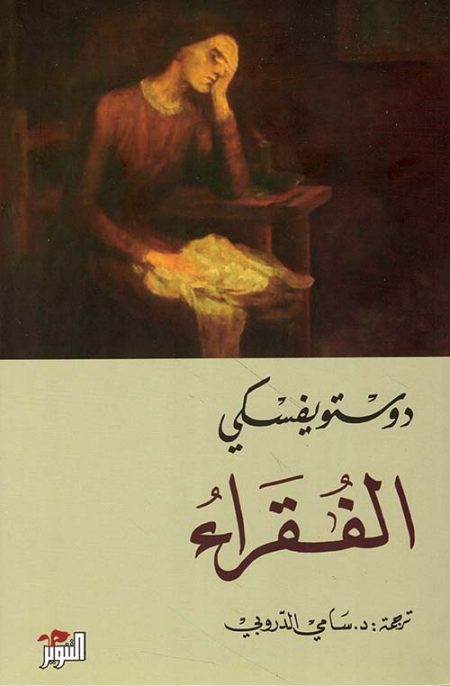
A literary text that delves into the depths of the human soul, where feelings of loneliness and contemplation intertwine with the details of daily life, revealing an inner struggle between pain and hope in a densely poetic style.
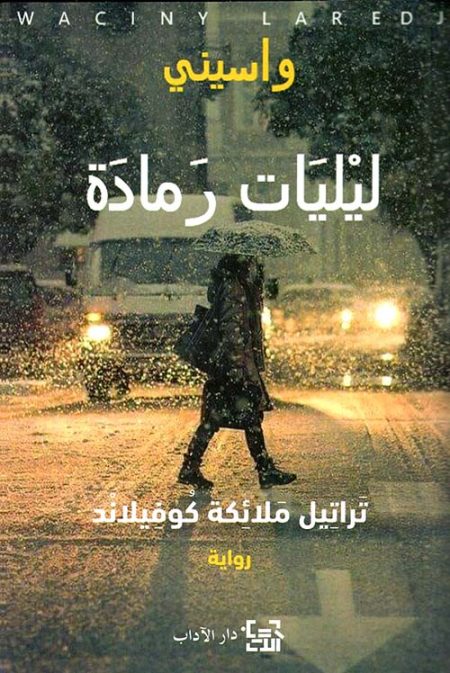
A novel that takes the reader on a journey between dreams and reality, exploring the dimensions of the human spirit and complex psychological tensions. A text that blends emotional narration with philosophical contemplation in a rich, poetic style.

A dense political theatrical text that uses rape as a harsh metaphor to expose the mechanisms of oppression and occupation, and reveals the intertwining of violence with identity and memory.
It employs sharp dialogue to pose ethical and human questions about justice, resistance, and the meaning of freedom.
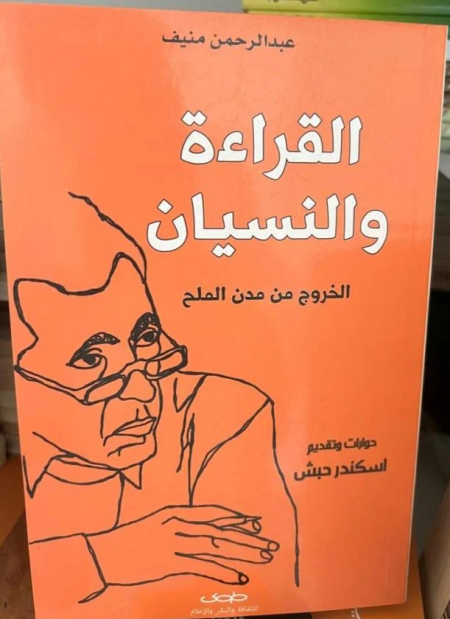
This is a reflective text that explores the relationship between humanity, reading, and memory, delving into the transformations of Arab reality and their impact on individual and collective consciousness with a profound critical style, charged with nostalgia and inquiry.

A narrative that blends autobiography with reflections on freedom, it follows the lives of a group of women who find in literature a space to escape daily constraints. The book offers a human portrait of the individual’s relationship with reading amidst a suffocating social and political reality.