962-7983-18423+
24/7 دعم

military-science
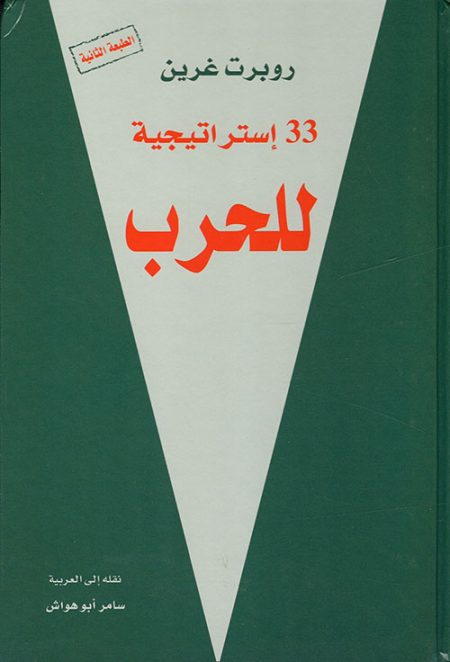
This practical guide draws on the history of warfare, politics, and human experience to develop strategies for understanding and managing conflicts, and achieving superiority in competition and everyday situations through planning, flexibility, and understanding adversaries.

This book examines the concept of Arab national security and its challenges in light of international and regional transformations. It analyzes the political, strategic, and economic factors influencing the development of an Arab strategy capable of confronting contemporary threats.

This analytical work discusses Western policies toward the Muslim world after the events of September 11, focusing on the dimensions of the geopolitical conflict and its regional repercussions.
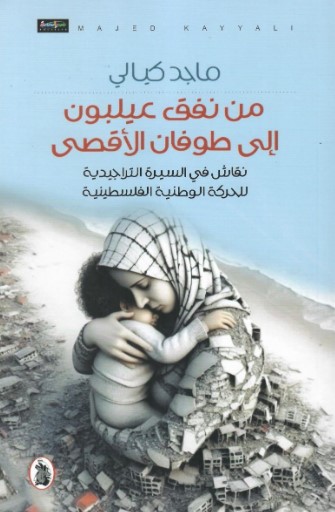
A critical study of the Palestinian national movement’s trajectory since its inception, examining the evolution of its political and military projects and issues of national identity—leading up to the “Al-Aqsa Flood” events and the war on Gaza—while raising questions about the causes of the crisis and ways to revitalize the Palestinian struggle.

The book explores the military genius of Khalid ibn al-Walid by analyzing his battles and combat plans, reviewing his methods of leadership and battle management, and drawing strategic and military lessons from them.

This in-depth analysis of the events of the October War and its political and military repercussions offers a comprehensive view of how decisions were made at a pivotal moment in the region’s history, while connecting the events to their international and regional contexts.
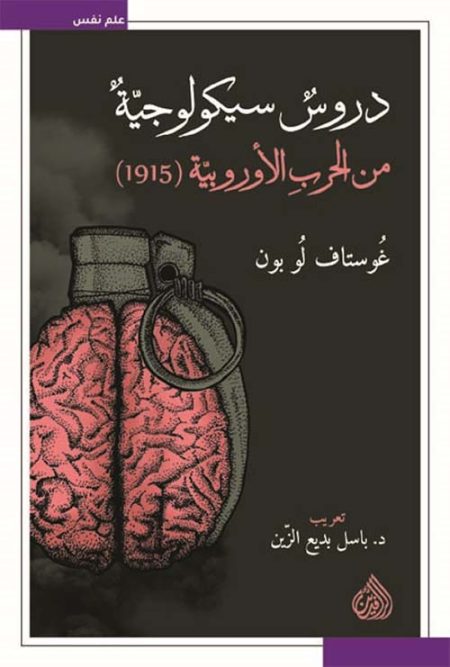
This analytical study explains the impact of war on groups and human behavior, exploring the psychological and social motivations that govern political and military decisions during major conflicts, while also observing the shifts in collective consciousness during times of crisis.
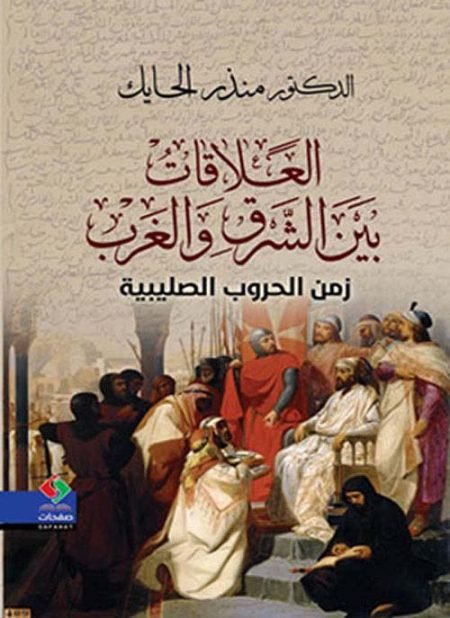
This is an analytical historical study examining the nature of relations between East and West during the Crusades, revealing the dimensions of the religious, political, and cultural conflict and its mutual influence on shaping each side’s image of the other.
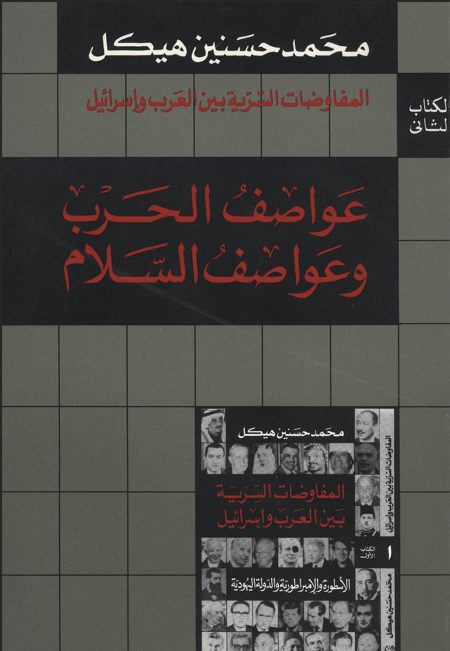
This book reveals the behind-the-scenes dealings of the secret political communications that shaped the course of the Arab-Israeli conflict, offering detailed accounts of what transpired behind closed doors. It presents sensitive developments that influenced decisions regarding war and peace, and how regional and international interests intertwined in shaping positions.
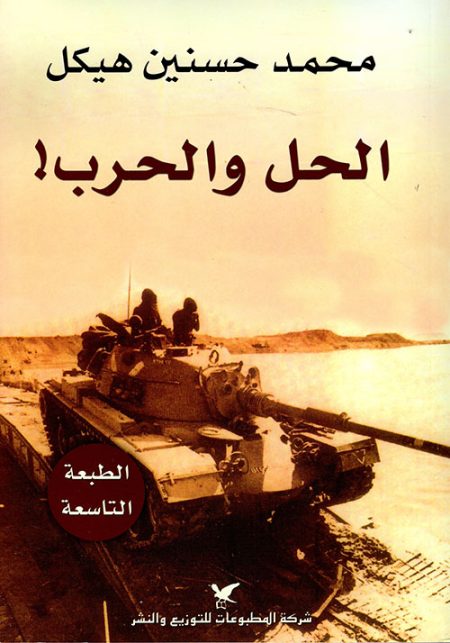
This in-depth analytical presentation of the political and military conflicts in the Middle East offers a comprehensive view of the behind-the-scenes decisions of major powers and how they have impacted the balance of power in the region.
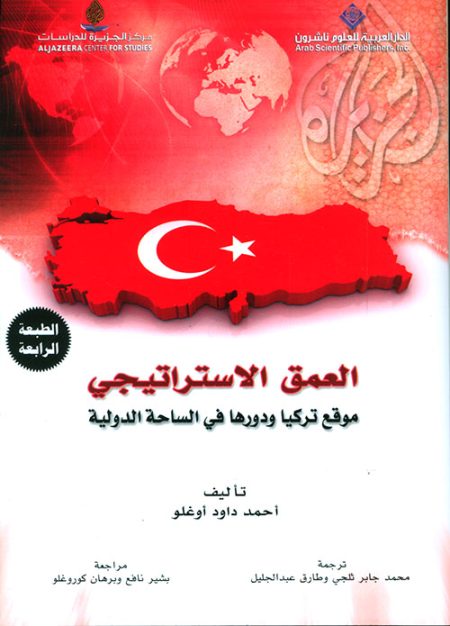
This intellectual and political study presents a comprehensive vision of Turkey’s geopolitical position and its regional and international role, and explains the concept of “strategic depth” as a framework for understanding its actions in its immediate and global environment.
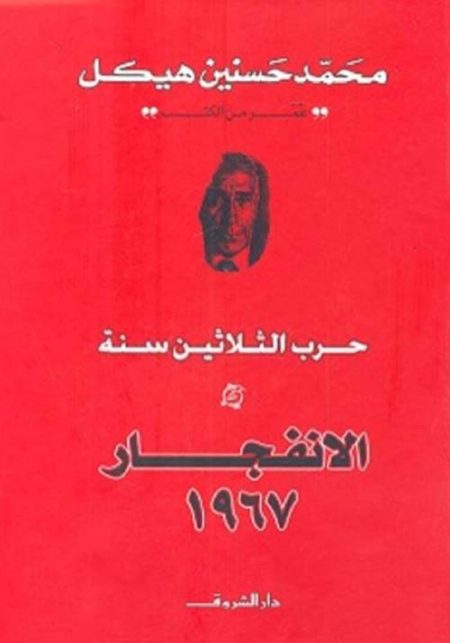
This work examines the political and military background that preceded one of the most important Arab wars, revealing the accumulation of tensions and fateful decisions that led to the moment of explosion in 1967. It presents an in-depth analytical account of the events, dissecting the roles of regional and international powers and their influence on the course of the conflict.

This book offers an in-depth analysis of the background to the American invasion of Iraq, revealing the intersection of military power and international politics. It traces the transformations that led to the war and its effects on the region and the world.

It is a classic strategic manual that presents the principles of military planning and warfare in rational and thoughtful ways. Its texts go beyond the military sphere to apply to politics, administration, and conflict resolution.
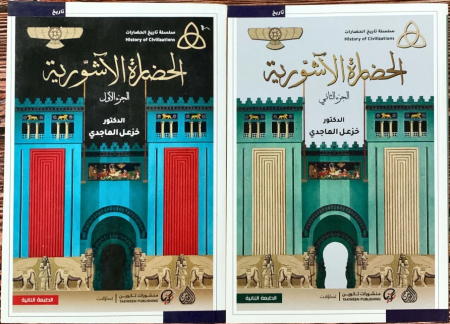
A comprehensive study examining the rise of the Assyrian Empire and its political, military, and cultural development, along with an analysis of its social, religious, and artistic structures.
The work explores the role of the Assyrians in shaping the history of Mesopotamia and their influence on neighboring civilizations throughout the ages.

This work documents sensitive political discussions and meetings between two leaders at a pivotal moment in the history of the Arab-Israeli conflict, revealing the behind-the-scenes negotiations and the dimensions of the political decision-making process as the region teetered on the brink of confrontation.
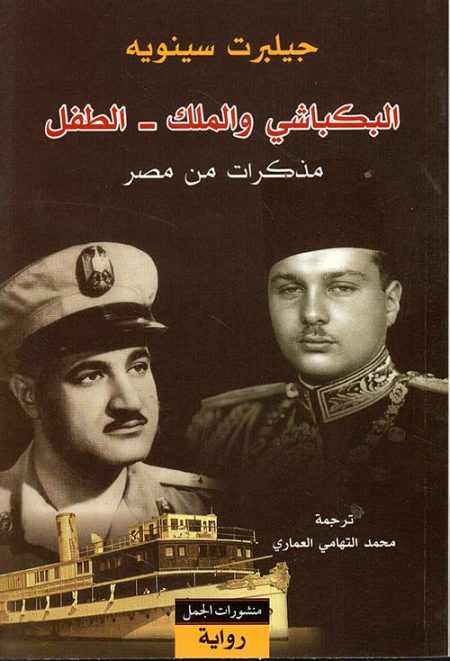
The novel explores the atmosphere in Egypt during the final years of the monarchy, tracing the political and social tensions that preceded the July Revolution, through the intertwining of King Farouk’s fate and Gamal Abdel Nasser’s rise to prominence in the political and military arenas.
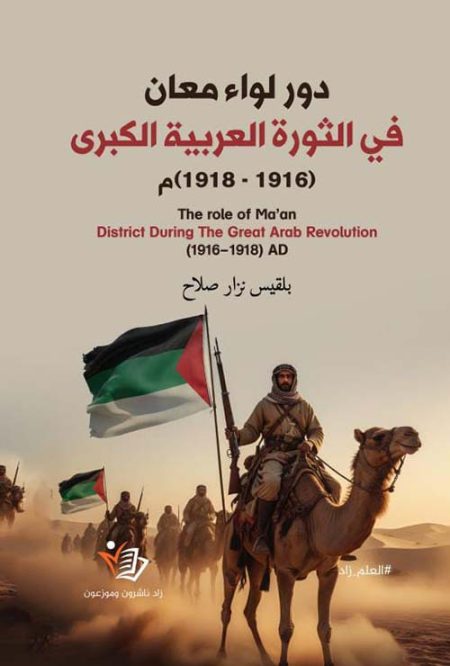
This historical study examines the strategic and military importance of Ma’an District during the Great Arab Revolt, and reviews its role in the battles and the political and social events that the region witnessed between 1916 and 1918.
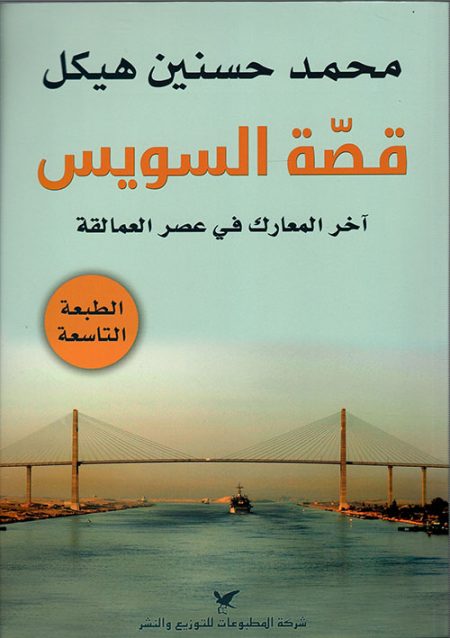
The book presents a dense analytical account of one of the most important political and military battles in modern history, revealing the behind-the-scenes aspects of international decisions and conflicts. It highlights the tensions that created a pivotal moment in the region, with a deep look at the balance of power at that time.

The book reveals the backstage and background of the preparations for the Gulf War from a documented analytical perspective.


