962-7983-18423+
24/7 دعم

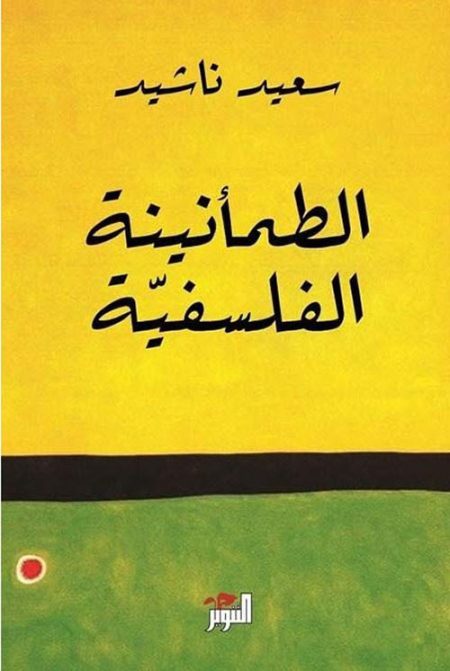
This book offers simple philosophical reflections that help the reader understand themselves and alleviate their inner anxieties by presenting practical and clear life lessons. It aims to guide the reader toward greater inner peace and an awareness of the meaning of tranquility.
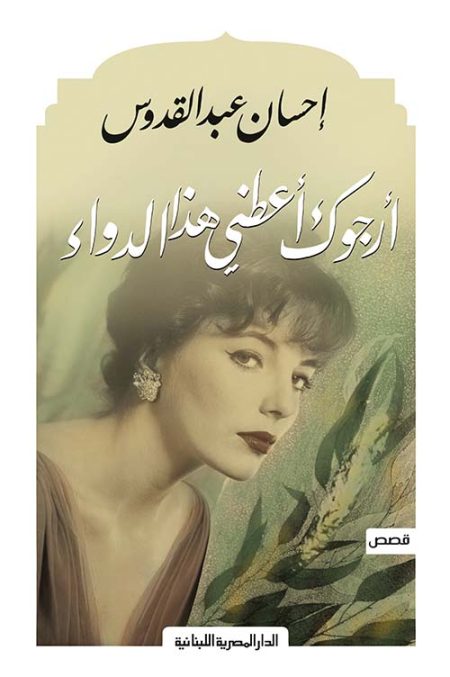
A humanistic novel that explores the inner struggle between weakness and the desire for salvation, where emotional feelings intersect with moral values under the pressure of reality. The text reveals the complexities of human relationships and the impact of mistakes and regret in shaping destiny.
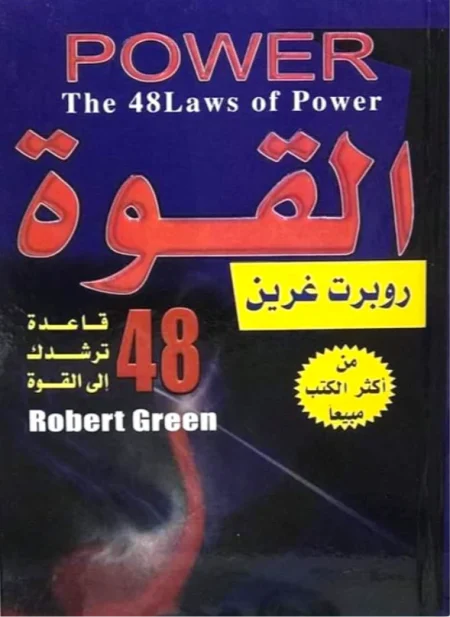
The book presents a set of laws and strategies for understanding influence and power, how to acquire and protect them, and how to deal with the methods of others, drawing on historical examples and analyses of human behavior.

This book offers a set of daily affirmations aimed at promoting positive thinking and self-confidence. It helps readers build a daily habit of focusing on personal growth and inner peace.
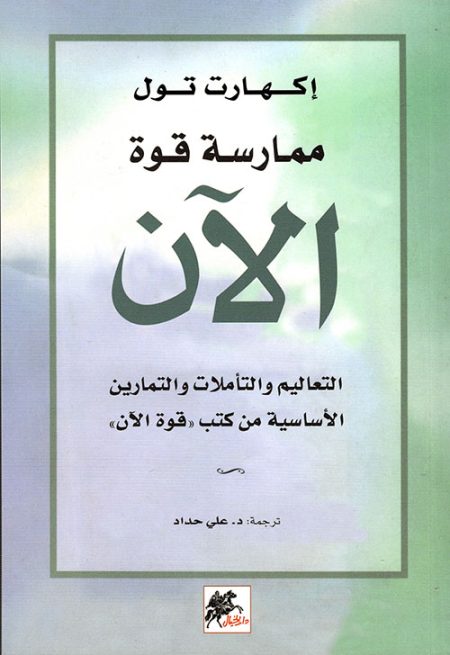
It is a practical guide that helps the reader apply the concept of living in the present and freeing themselves from the grip of the anxious mind. It offers methods and exercises that enhance awareness and inner serenity to achieve deeper inner peace.
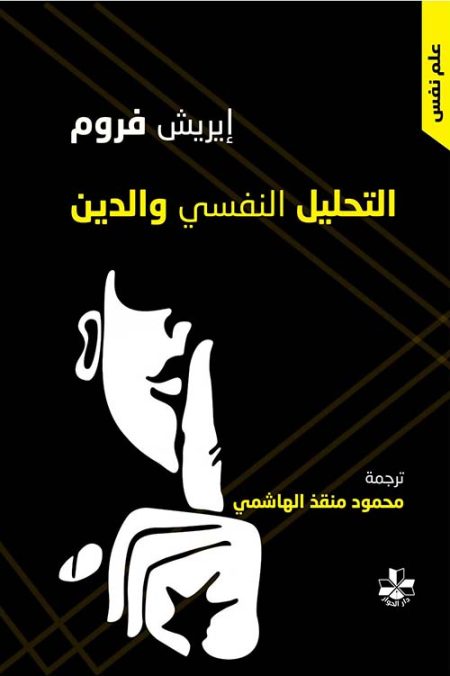
This book discusses the relationship between religious experience and psychoanalysis, exploring the meaning of faith and its role in human life from a psychological and philosophical perspective, while attempting to understand the roots of religiosity and its influence on human behavior.
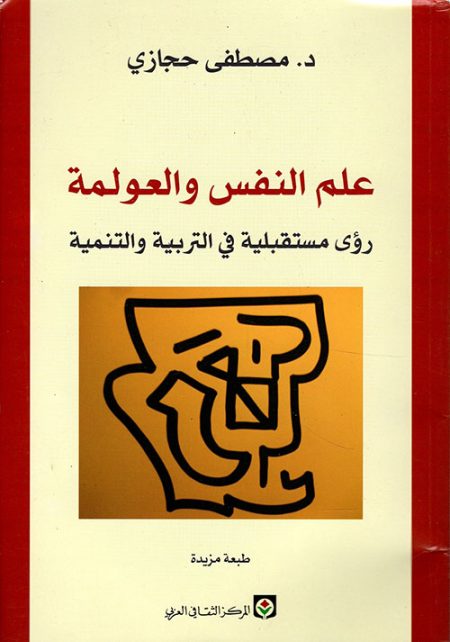
This book examines the impact of globalization on the human psyche and societies, and explores the educational and developmental challenges posed by modern global transformations, while presenting future visions for enhancing human beings and their ability to adapt.
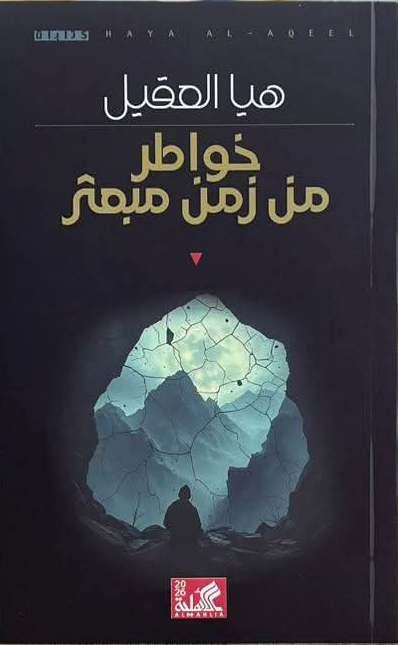
Short literary texts expressing human emotions and profound reflections on life, moving between pain and hope in a simple and heartfelt style.
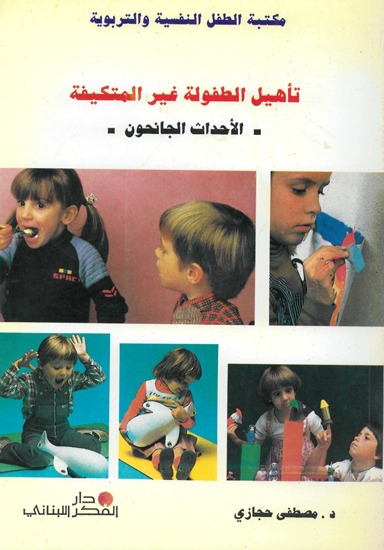
It examines issues of juvenile delinquency and methods for rehabilitating psychologically and socially maladapted children, analyzing the factors leading to delinquency and methods of treatment and rehabilitation within the family and community.
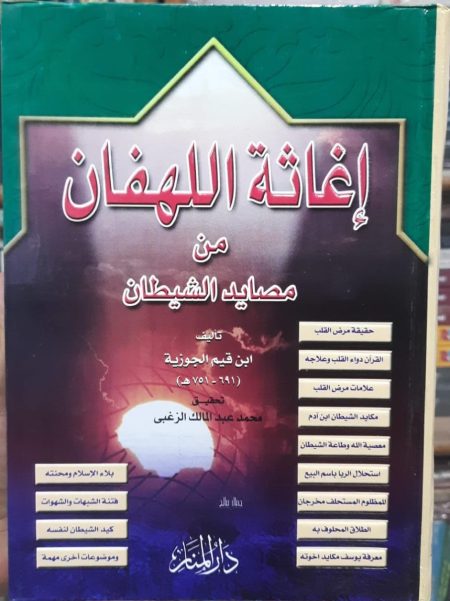
This book addresses Satan’s entry points into the human soul and reveals his methods of temptation. It also explains means of prevention and spiritual and behavioral treatment in a profound, sermonizing style based on texts and educational reflection.
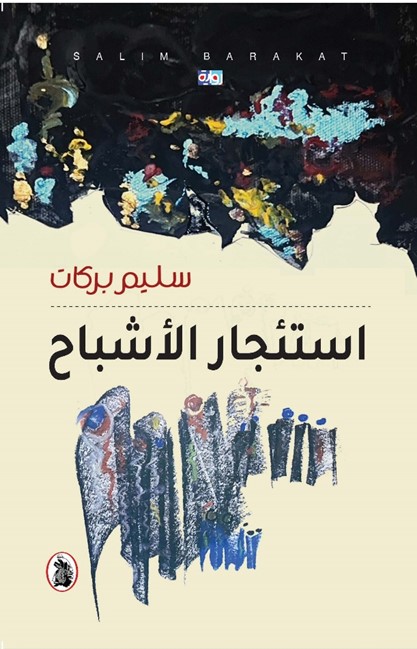
It is a surreal novel that tells the story of a wealthy man who hires writers to pen his biography; the writing assignment soon transforms into a labyrinth of mystery, crime, and psychological conflict, unfolding through a dense narrative that blends reality, fiction, and intellectual reflection.
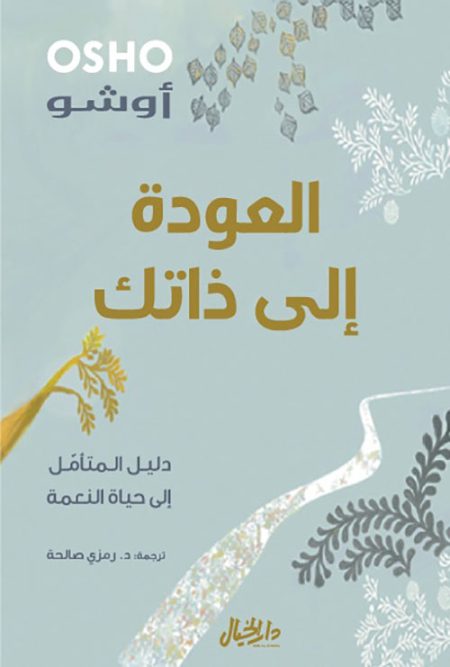
This book explores the journey of meditation and returning to one’s deepest self, inviting the reader to break free from mental constraints, discover inner peace, and live with full awareness and presence in the moment.
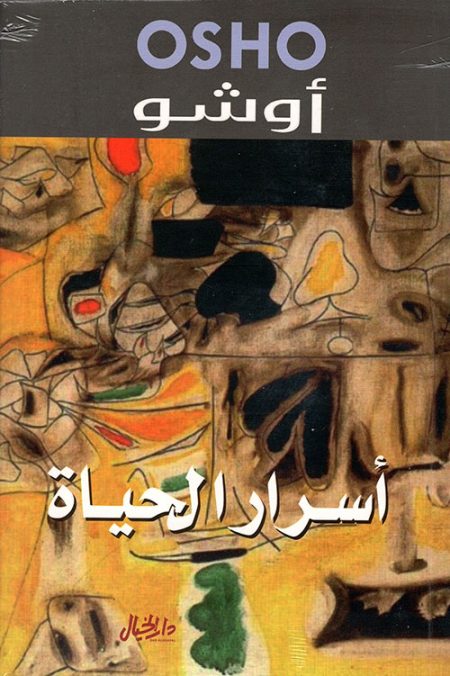
This book delves into the depths of the human psyche through a contemplative approach, exploring the meanings of life, consciousness, and love, and presenting ideas that promote inner liberation and a deeper understanding of the self.
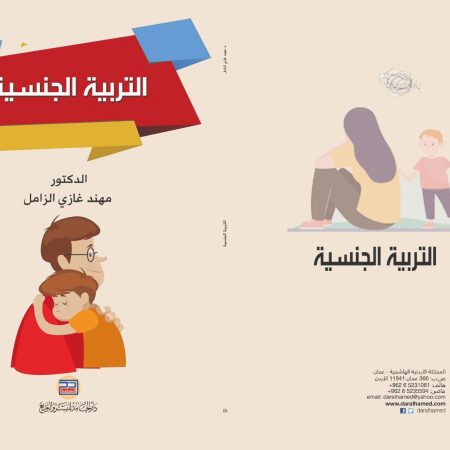
This guide provides well-researched scientific and psychological advice on sexual education for children, outlining sound educational approaches for dealing with this sensitive subject in accordance with social and legal values.
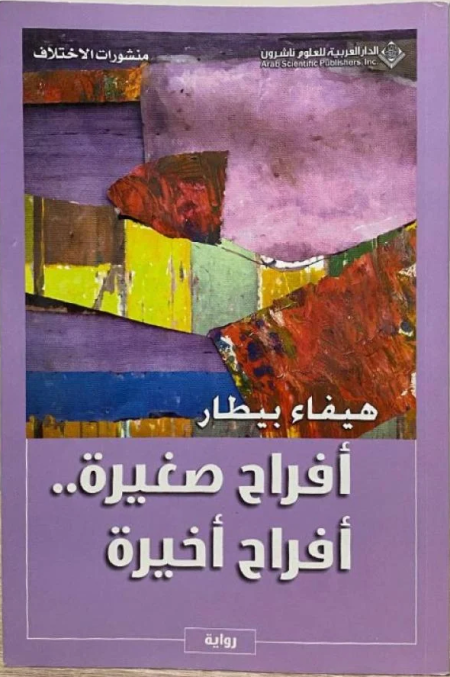
These are quiet, human texts that trace the details of daily life and its hidden emotions, capturing fleeting moments of joy before they fade. They focus on human relationships, women, and questions of love and loneliness with sincerity and profound reflection.
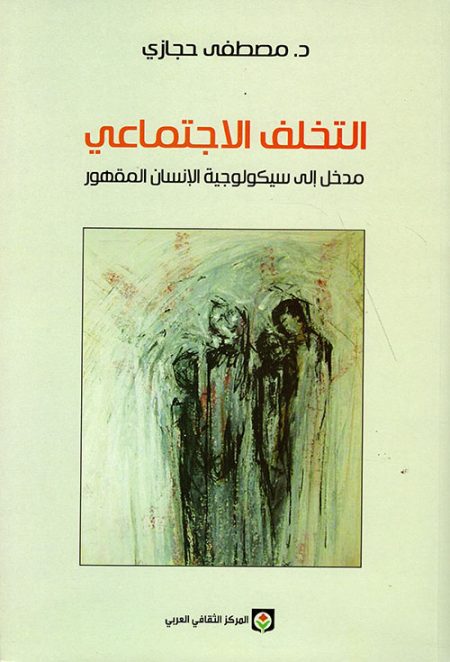
This is a socio-psychological analytical study that examines the impact of social oppression on the formation of human personality and behavior, and reveals the mechanisms that produce weakness and submission within traditional social structures.
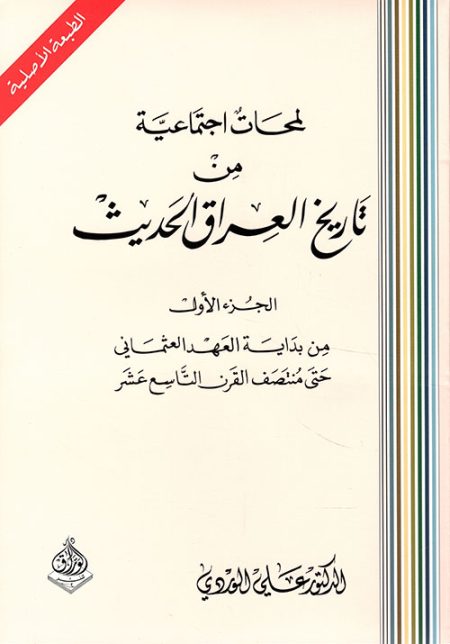
An encyclopedic work that studies the transformations of Iraqi society in the modern era, analyzing the social structure, intellectual and political conflicts and their impact on shaping the history of modern Iraq in an analytical style that combines history and sociology.
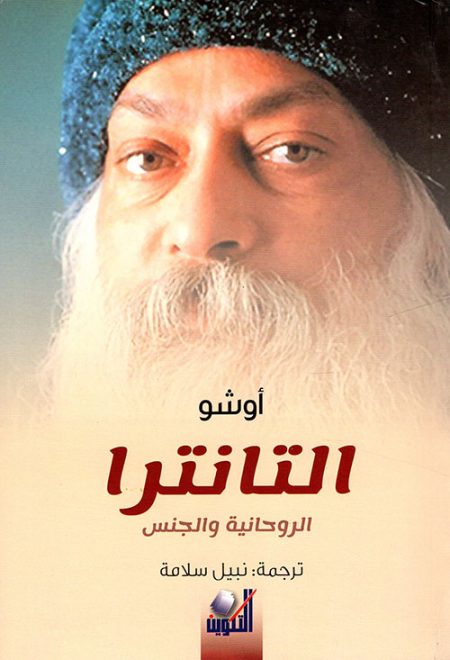
This book explores the philosophy of Tantra, which sees sexual energy as a path to deep spiritual awareness, presenting a different vision of the relationship between body and soul and considering love and awareness as means to achieve inner liberation.
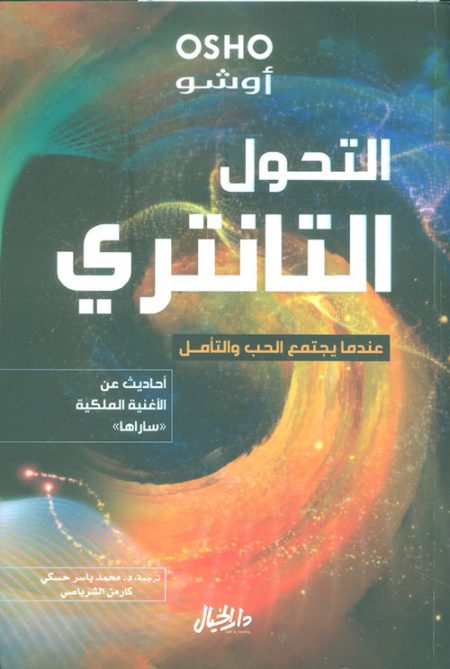
This book explores the concept of inner transformation through energy and awareness, explaining paths to achieving peace and balance by understanding the body and mind in a profound and spiritual way.
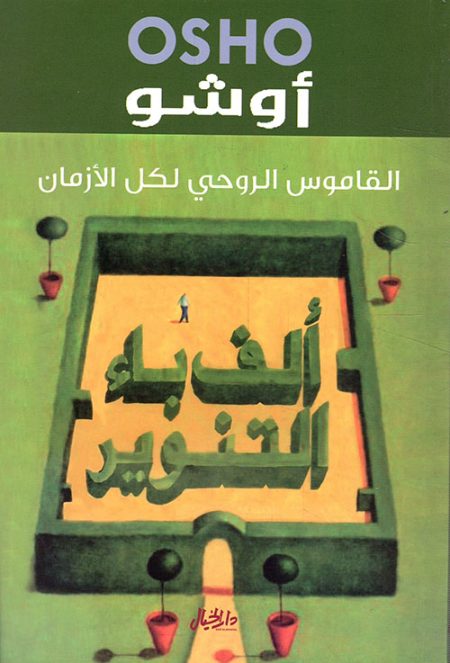
This book offers profound spiritual and philosophical reflections in a simple style, addressing the concepts of life, consciousness, love, and freedom through an alphabetical arrangement that facilitates the reader’s exploration of the inner meanings of existence.