962-7983-18423+
24/7 دعم

religions
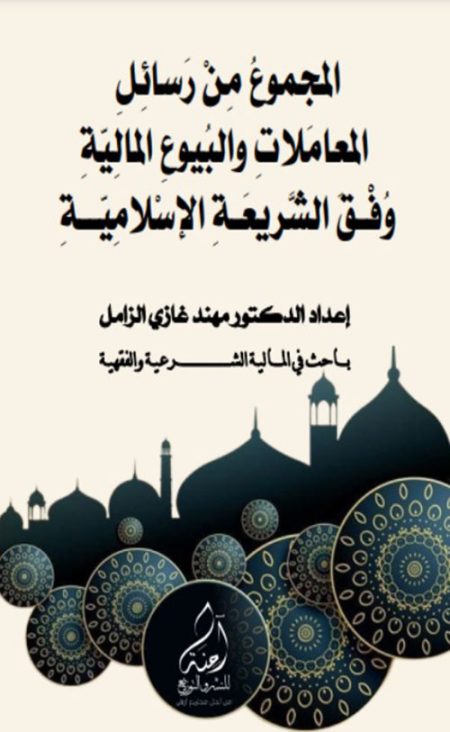
This book compiles a number of specialized jurisprudential treatises on financial transactions and sales. It presents the Islamic legal rulings related to contracts and financial transactions in a concise, scholarly manner, while also clarifying the Islamic legal principles governing contemporary issues.
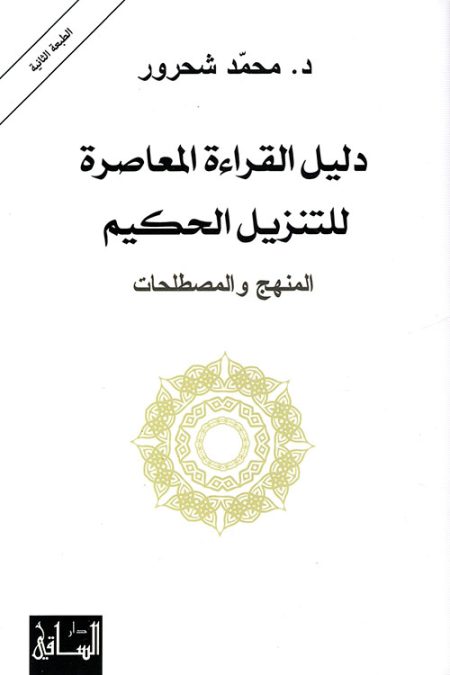
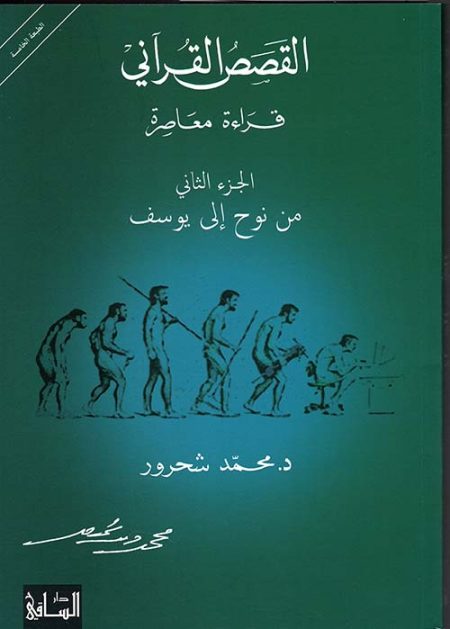
This book presents a modern methodology for understanding the Holy Qur’an, clarifying the essential terminology for interpreting texts in a contemporary manner. It addresses the relationship between the linguistic and historical context of the texts with a precise, analytical, and scholarly approach.
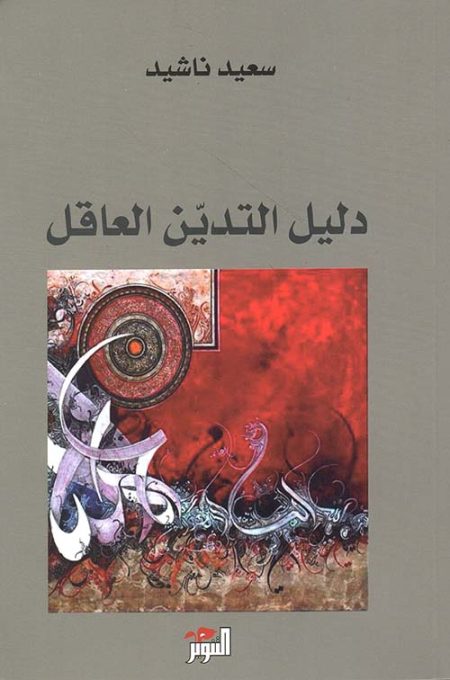
This guide offers a vision that calls for a deeper and more balanced understanding of religiosity by focusing on the human and intellectual dimensions of religious practices, moving beyond mere appearances and emotions, in a way that helps individuals build a conscious and balanced relationship with their faith.
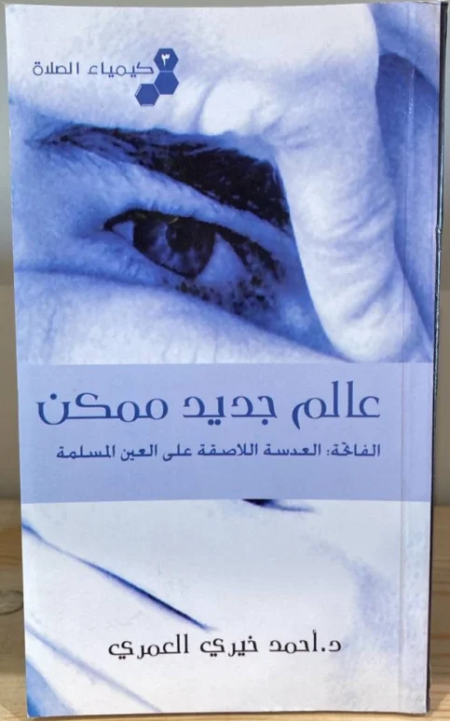
This reflective book reinterprets reality and humanity from a distinct Quranic perspective, attempting to offer a new intellectual vision that reshapes the relationship between Muslims and the modern world through profound analysis.
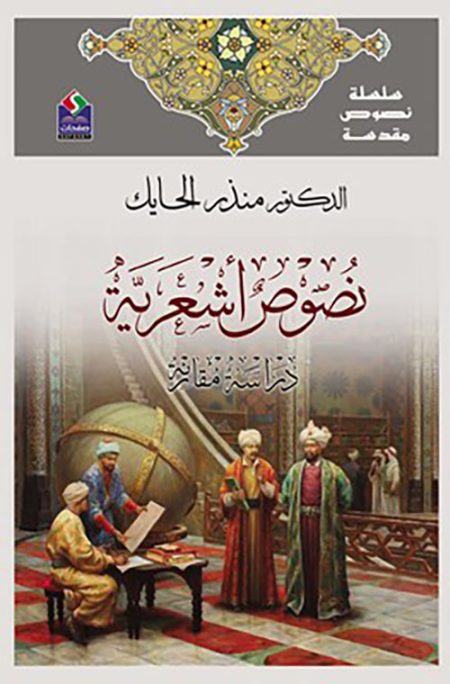
An intellectual work that deals with Ash’ari texts in a contemporary analytical spirit, and presents doctrinal and theological issues in a style that combines traditional investigation with a calm critical vision.
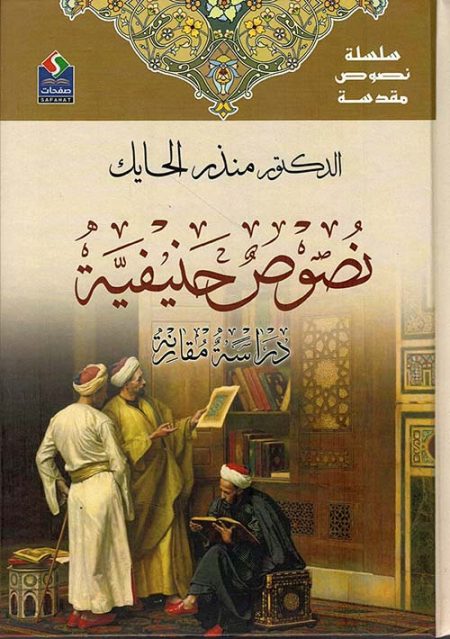
A collection of texts that contemplate the essence of monotheism as an innate tendency towards monotheism and spiritual purity, and present intellectual and linguistic visions that blend religious contemplation and cultural discourse in an intensive literary style.
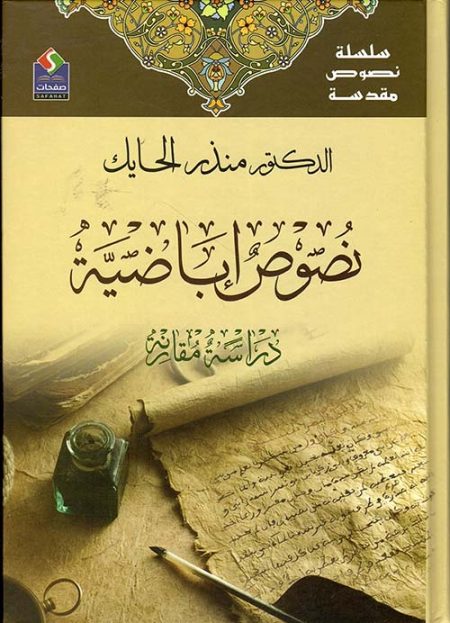
This book compiles Ibadi texts of an intellectual and religious nature, shedding light on the doctrinal and jurisprudential heritage of the Ibadi school and presenting analytical perspectives that reflect its historical and intellectual dimensions.

It examines marital life and family relationships from an Islamic and humanistic perspective, highlighting the meanings of love and mercy and the foundations for building a stable family based on mutual understanding and respect.
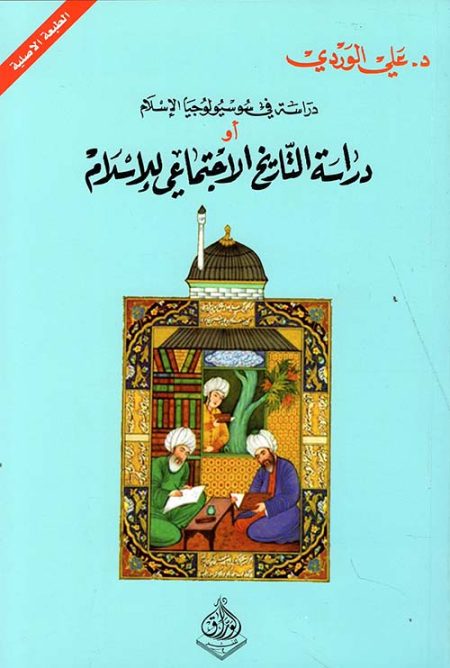
This intellectual work analyzes the origins and development of Islam from a sociological perspective, attempting to understand the relationship between religious values and social reality, and how historical conflicts and changes have shaped Islamic thought and society.
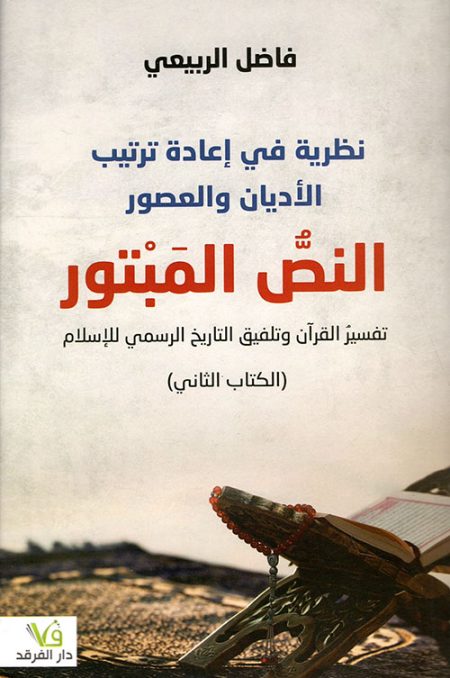
It offers a critical reading of religious and civilizational history, proposing a reinterpretation of ancient events and texts through a research approach that seeks to revise historical assumptions and rearrange the chronological order of religions and eras.
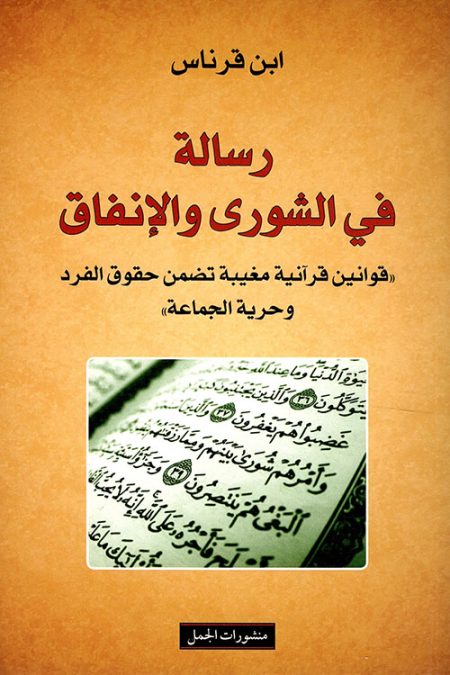
The book addresses the principles of consultation and spending as two Quranic systems that regulate the relationship between the individual and society, revealing how they guarantee social justice and the freedom of the community. It offers a critical intellectual reading aimed at reviving neglected values and establishing a moral and economic balance in public life.
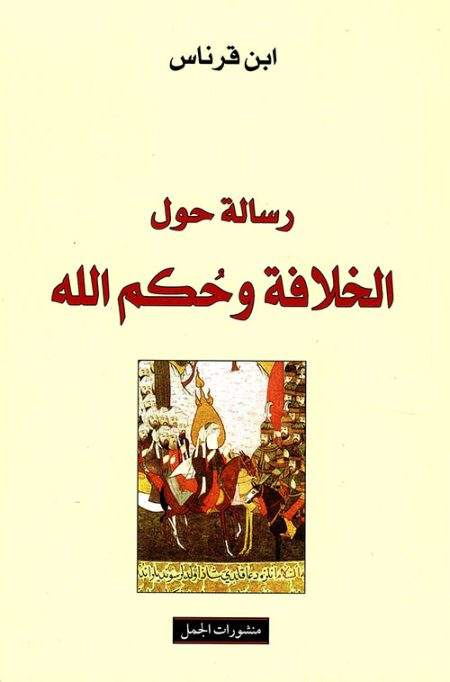
The book addresses the concept of the Caliphate and God’s sovereignty from a legal and intellectual perspective, discussing the religious foundations upon which governance in Islam is based, and distinguishing between human authority and divine legislation in a focused, dialectical manner.
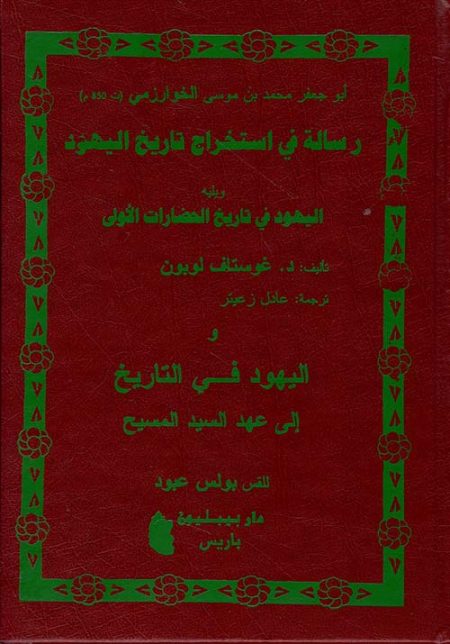
This book examines the history of the Jews from their origins to the time of Jesus Christ, reviewing their social, religious, and political conditions, their relationship with ancient civilizations, and analyzing their role and place in ancient history.
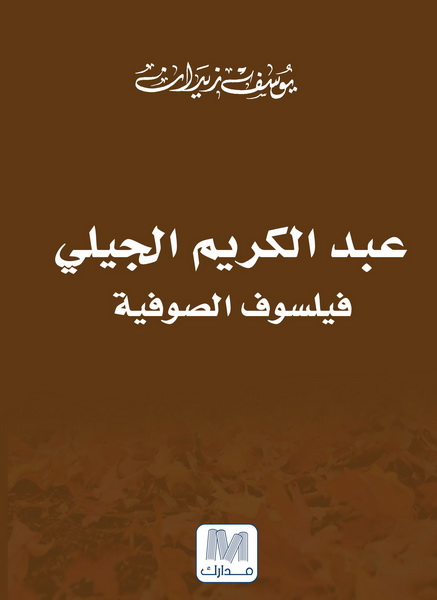
The work explores the profound intellectual and spiritual life of one of the most prominent figures in Sufism, revealing the development of his ideas and reflections on existence and knowledge in a style that combines narration and analysis.

A spiritual historical narrative that presents an imagined and reflective biography of a prominent Sufi figure, blending reality and fiction to offer a journey into the human soul and the meanings of faith and asceticism.
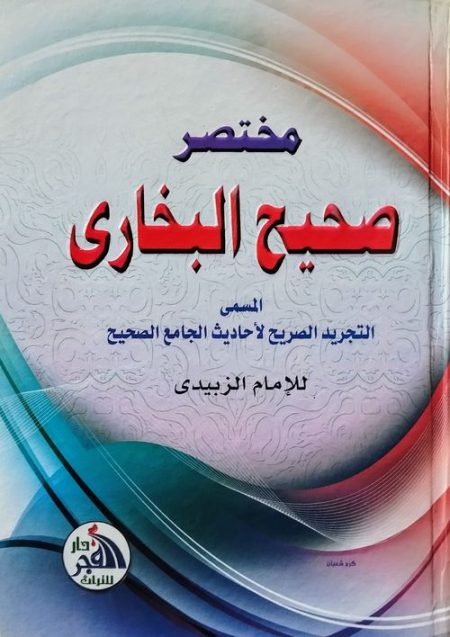
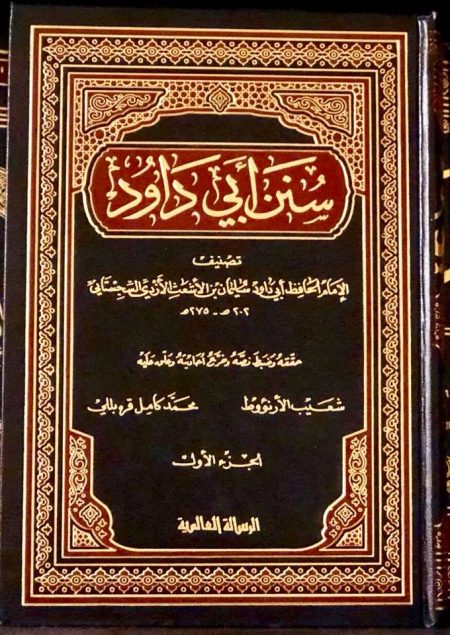
A book that compiles authentic hadiths in a concise and organized style, focusing on the essence of meanings and legal rulings without being lengthy, to make it easier for the reader to understand the Prophetic Sunnah and benefit from it in matters of faith and daily conduct.
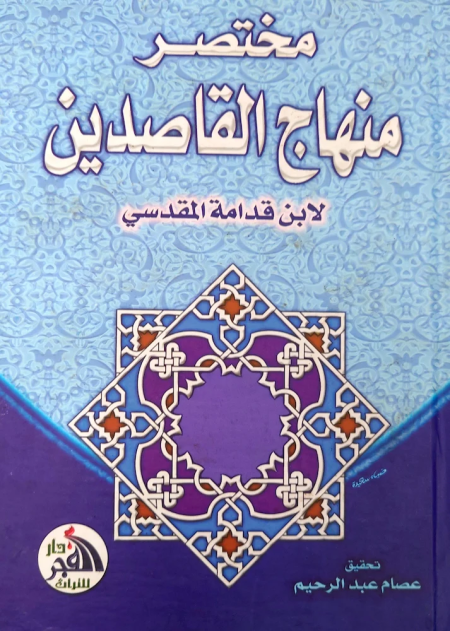
This faith-based educational book addresses the purification of the soul and the refinement of character. It offers practical guidance in worship, ethics, and the struggle against desires, presented in a clear style that combines preaching and knowledge, aiming to reform both the heart and actions.
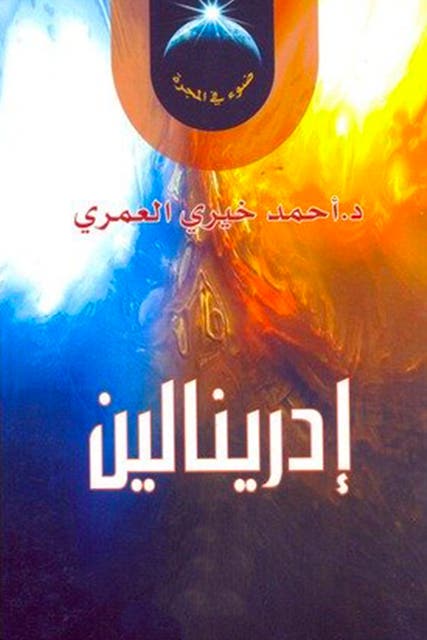
This is an intellectually stimulating book that discusses the concept of zeal for values and principles, and calls for not tolerating wrongdoing and injustice in silence, but rather to transform the feeling of responsibility into effective, practical action.
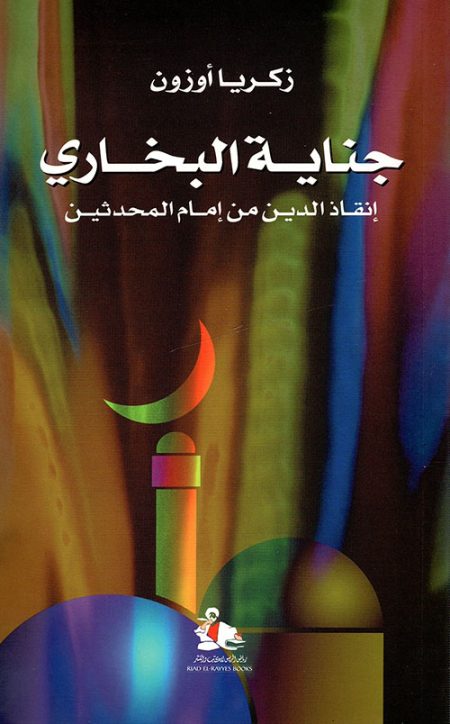
This book discusses the methodology of hadith compilation and raises critical questions about some narrations and their impact on religious understanding, offering a dialectical reading that aims to re-examine the narrative tradition. It employs a rational analytical approach to stimulate discussion about the relationship between religious texts and human history.
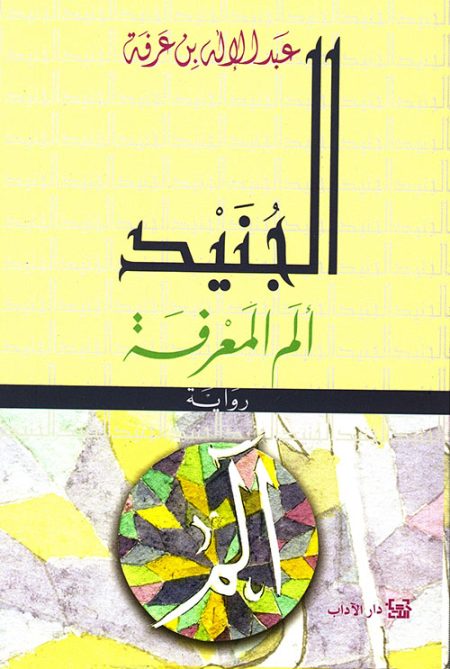
A mystical historical novel that takes the reader to Abbasid Baghdad on a deep spiritual and intellectual journey, blending mysticism, knowledge, and the struggles of thought and power in a rich literary style and moving poetic language.