962-7983-18423+
24/7 دعم

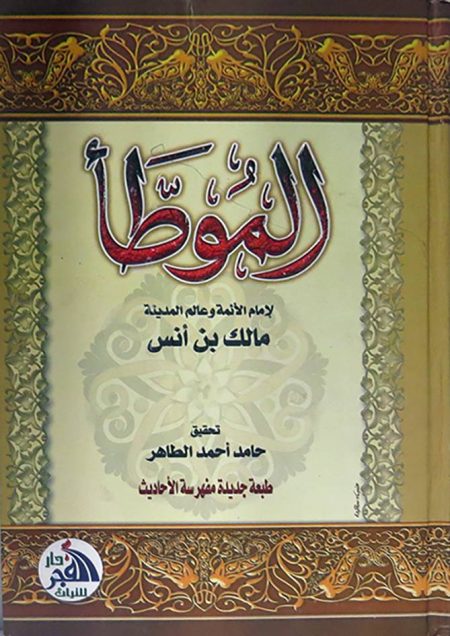
This book of jurisprudence and Hadith combines Prophetic traditions, sayings of the Companions, and statements of the Successors, organizing them into practical chapters relevant to the daily life of Muslims. It is distinguished by its precision, conciseness, and connection between the legal text and its practical application.
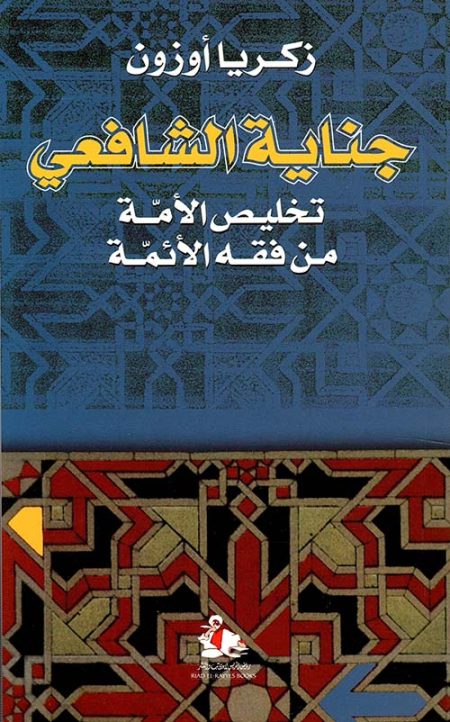
This book presents a bold critical reading of the jurisprudential heritage, discussing prevailing concepts and reconsidering the formation of Islamic jurisprudence and its impact on the nation’s reality, offering a vision that encourages review and analysis.
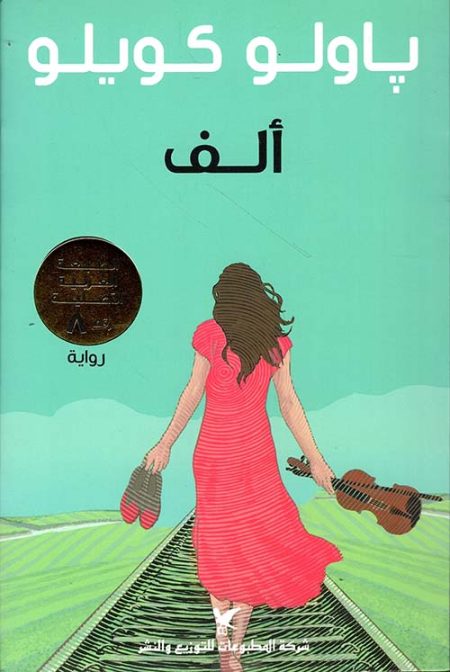
A spiritual and symbolic novel that blends mysticism and contemplation on the meaning of faith and love, it recounts a journey in search of inner truth through signs and events that transcend the material world toward a purer and deeper horizon.
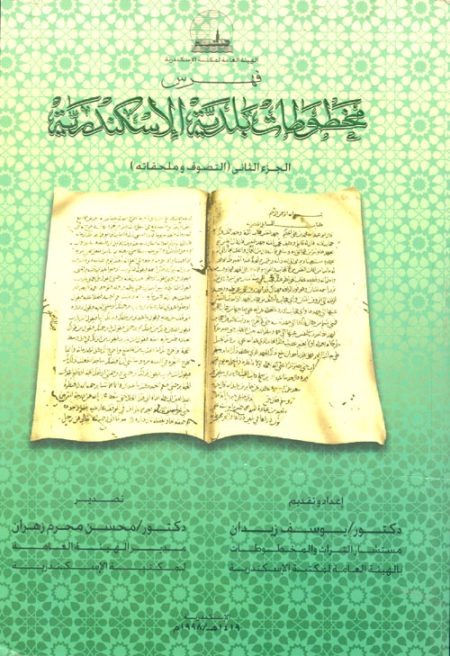
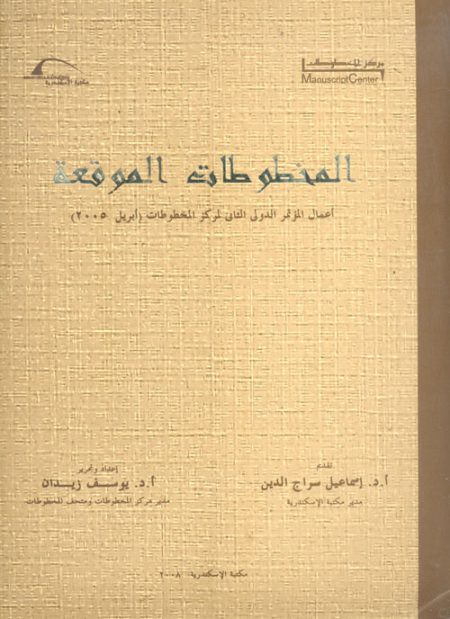
This book documents and classifies the Sufi manuscripts held in the Alexandria Municipal Library, offering a precise scholarly overview of their themes and trends, making it an important resource for researchers in Islamic Sufi heritage.
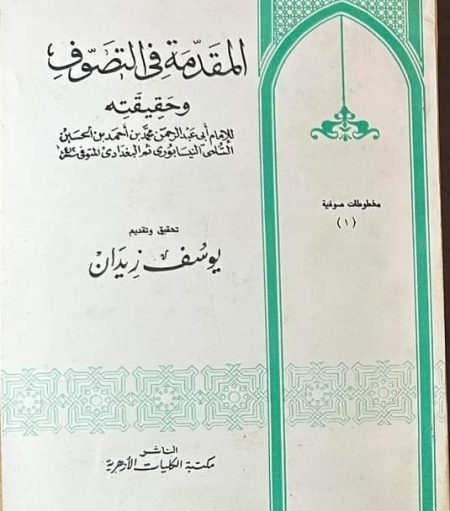
This book offers a simple yet profound introduction to understanding Sufism, explaining its origins, basic concepts, and spiritual manifestations in a style that combines scientific analysis with contemplative discourse.
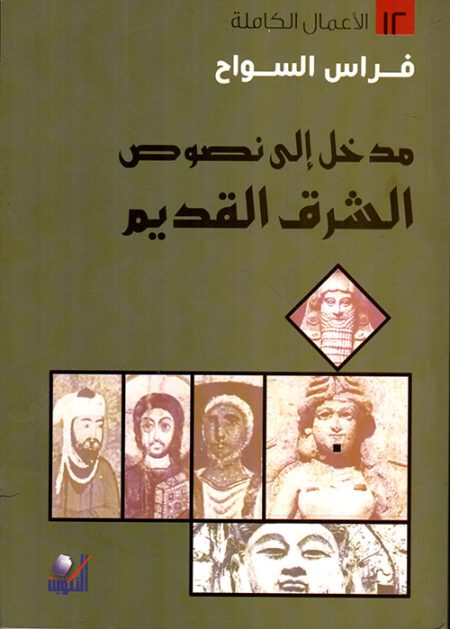
This book presents a collection of ancient Eastern literary texts such as myths, epics, wisdom, hymns, and prayers, with selections and brief explanations that help the reader understand these cultural and spiritual texts from different civilizations.
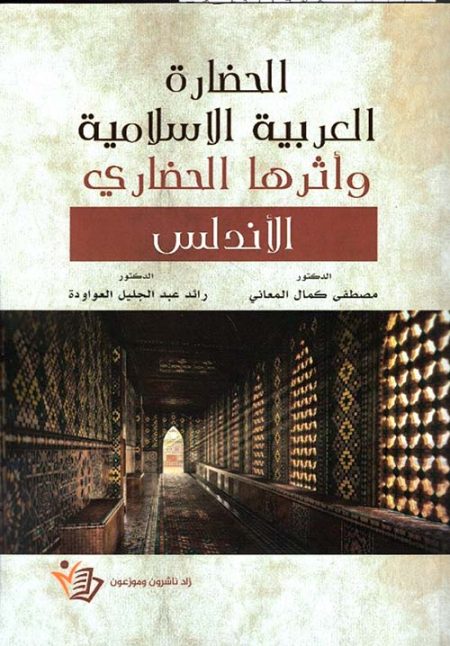
The book examines the rise and development of Arab-Islamic civilization in Andalusia, highlighting its scientific and cultural contributions, its influence on European civilization, and the pathways of knowledge transfer between East and West.
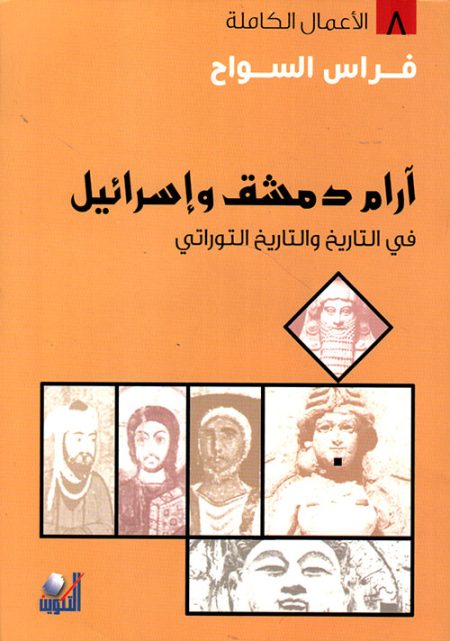
The book examines the history of the Arameans in the Levant and their relationship with neighboring entities, while analyzing the development of Damascus and its role in ancient historical conflicts and transformations.
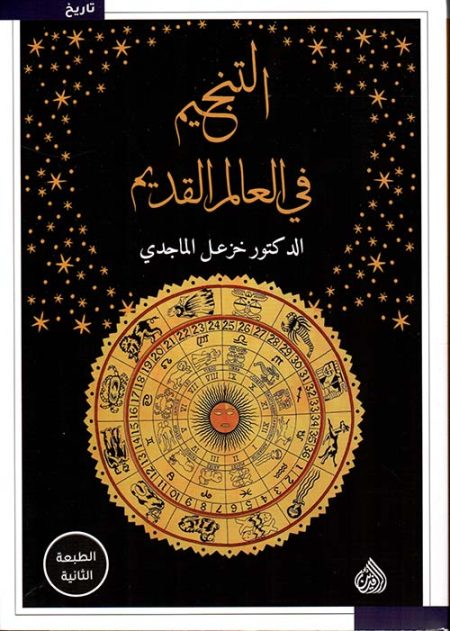
This is an extensive study examining the origins of astrology in ancient civilizations, exploring its intellectual and religious roots and its connection to astronomy and mythology, while analyzing its role in shaping cosmological views and rituals throughout the ages.
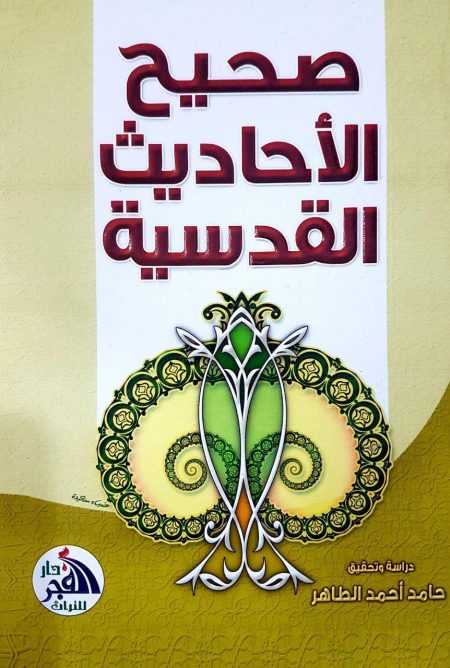
This book compiles authentic hadith qudsi in a clear and direct style, highlighting the values of faith and morality in the relationship between the servant and his Lord. It focuses on purifying the soul and deepening the spiritual understanding of Islam through reliable texts.
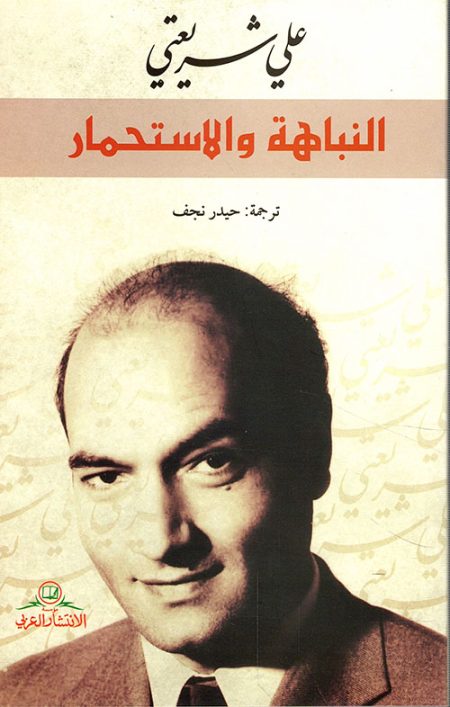
The book discusses the mechanisms of suppressing awareness and how individuals can be exploited intellectually and socially, while also advocating for critical thinking and an awareness of individual responsibility in confronting deception and alienation.

This book explores the phenomenon of hypocrisy and its effects on a Muslim’s life. It presents the reasons for falling into hypocrisy and offers solutions using an educational approach that combines psychological analysis with faith-based guidance, urging self-reflection before it’s too late.
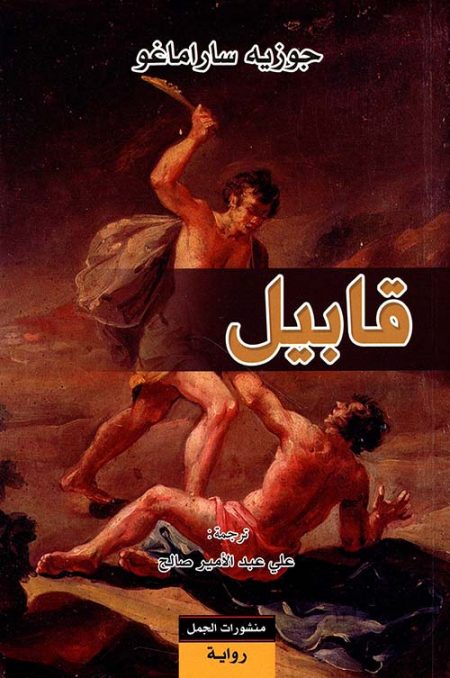
The novel reimagines the story of Cain with a satirical and bold style. The protagonist journeys through the events of the Old Testament as a rebellious witness to divine and human violence, in a philosophical narrative that blends myth with critique and irony.
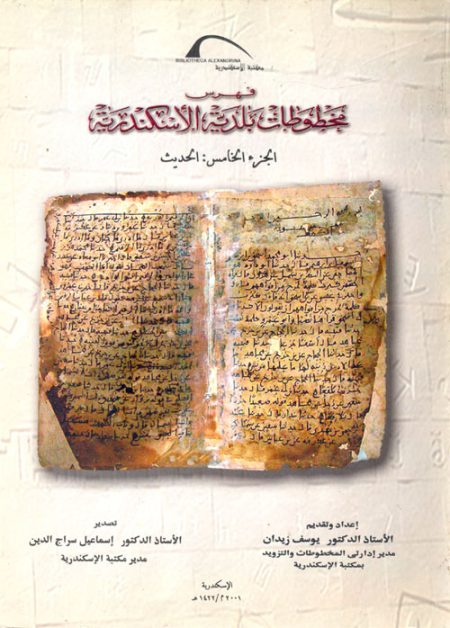
This documentary work provides a precise scholarly catalogue of the Hadith manuscripts preserved in the Alexandria Municipal Library, along with a systematic description of their content and heritage value.
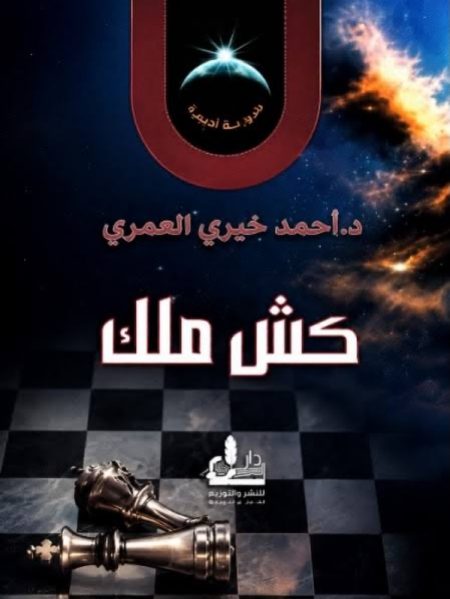
The book portrays human life as a game of chess with the devil, showcasing the tricks and traps that can lead a person into heedlessness and weakness, while also presenting ways to become aware and overcome them.
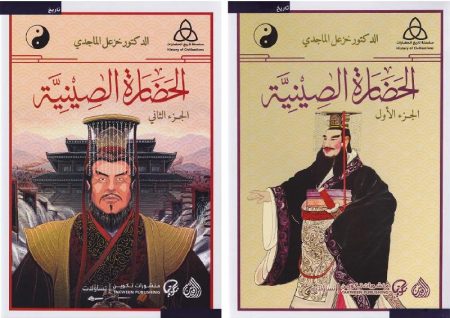
This is an encyclopedic overview of Chinese history from its origins to later periods, covering the development of its political, intellectual, religious, and social systems, along with a profound analysis of the components of its civilization and its impact on human history.
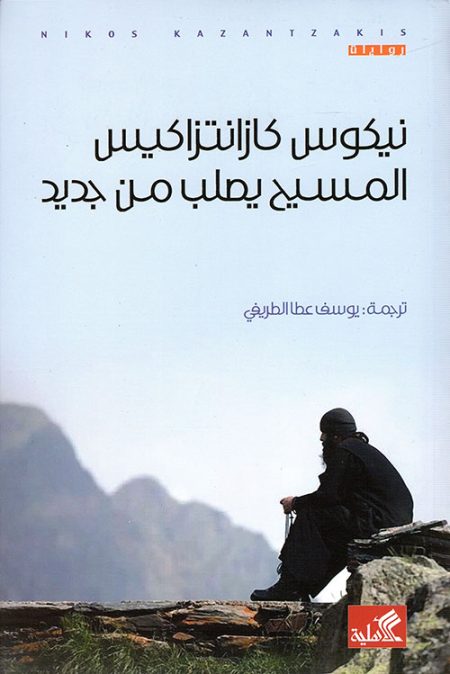
A novel set in a Greek village where the inhabitants reenact the Passion of Christ, but the events turn into a real conflict between spiritual values and worldly interests, revealing the contradiction between declared faith and actual behavior.
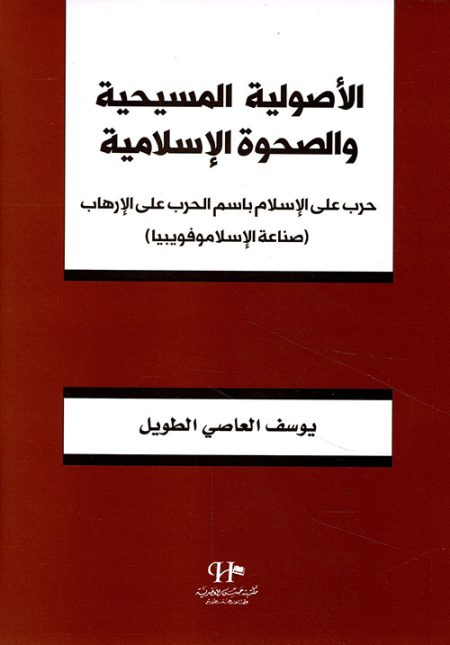
The book discusses the origins of the term “fundamentalism” and its relationship to Christian and Western movements. It also addresses the phenomenon of Islamophobia and the intellectual and media war against Islam within the context of the so-called “war on terror.”
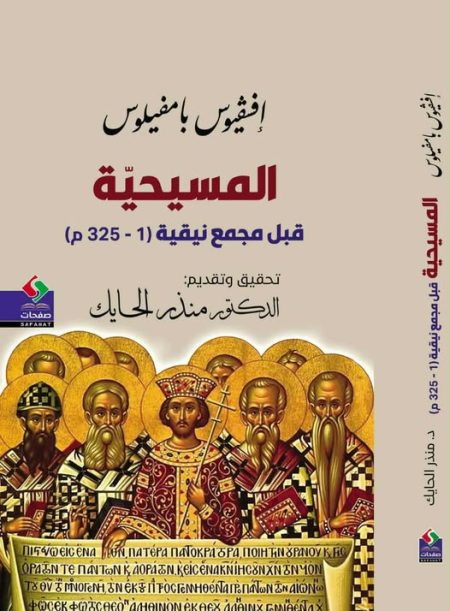
This historical study examines the origins of Christianity and the development of its ideas and doctrines in the early centuries before the Council of Nicaea, analyzing the theological and political disputes that shaped its early features.
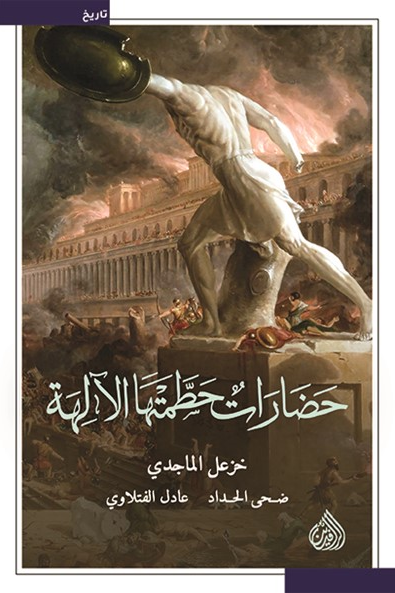
This study explores the centrality of the female deity in ancient civilizations, demonstrating how societies shifted with the transformation of religious and symbolic structures from sacred femininity to masculine dominance, drawing upon a profound mythological and historical analysis.