
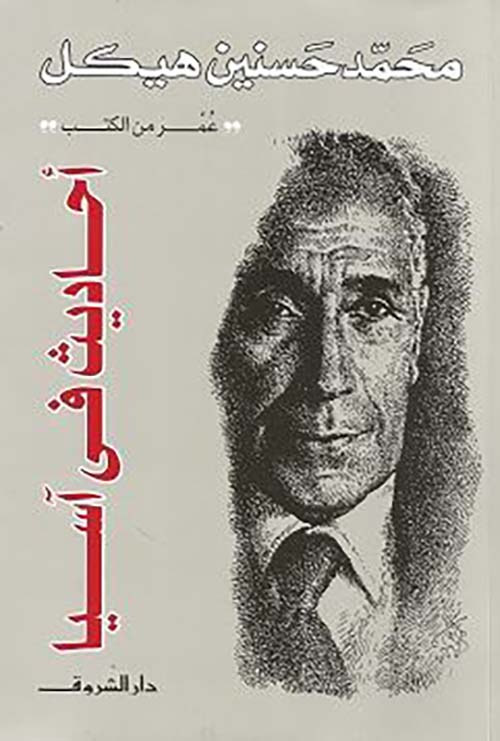
Description
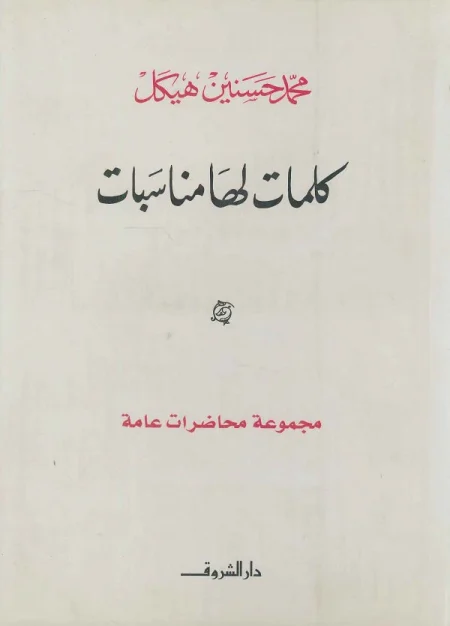
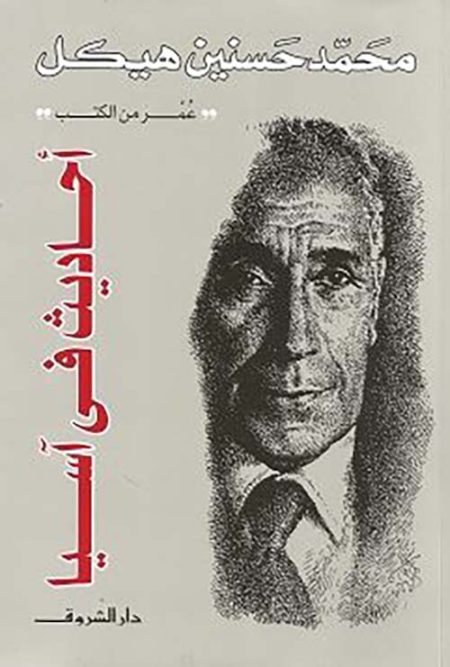
At one point in the life of the political thinker Mohamed Hassanein Heikal, he decided to embark on a quick and hasty trip to Asia. This period was marked by turmoil in his life, and not just in Egypt’s. He and President Sadat had been engaged in heated debates regarding his right to publish his views and share them with the public. Realizing that this turmoil would escalate and that the country couldn’t bear any more, he decided to make this trip, which he had repeatedly postponed, to conduct political dialogues and discussions with leading figures in Asian politics at the time. This trip took place in 1973.
I don’t know if it was a man’s bias towards what he had written and known, or if he had made a judgment on the matter, regardless of the changing times. But what I do know is that he was convinced that a printed book has a long lifespan and remains ever-present, no matter how much the world around it becomes crowded. This means that the written word on paper endures, the spoken word on radio and television is fleeting, and the digital word on a computer is effervescent—and like all effervescence, it vanishes. The written word on paper is a solid structure: stone or metal, and so on, as with water. Other forms of communication are fleeting, changeable, glittering, and glittering. For a writer of paper and ink, their writing is the culmination of their life’s work, and thus this collection ultimately represents a lifetime of books.

Reviews
There are no reviews yet.