
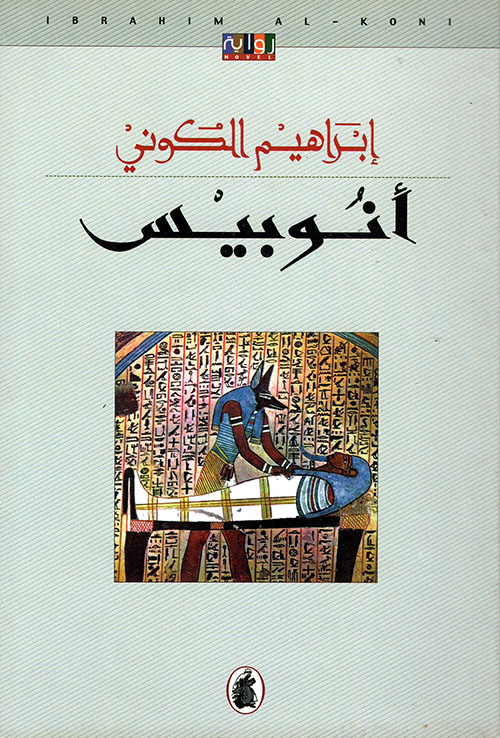
Description
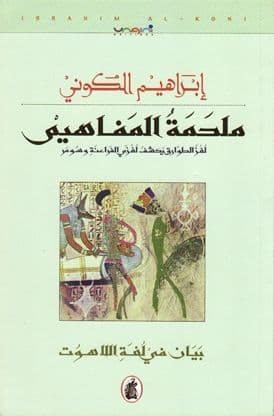
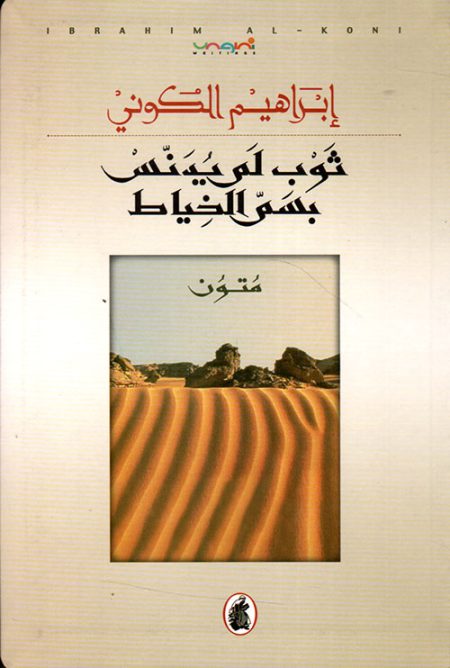
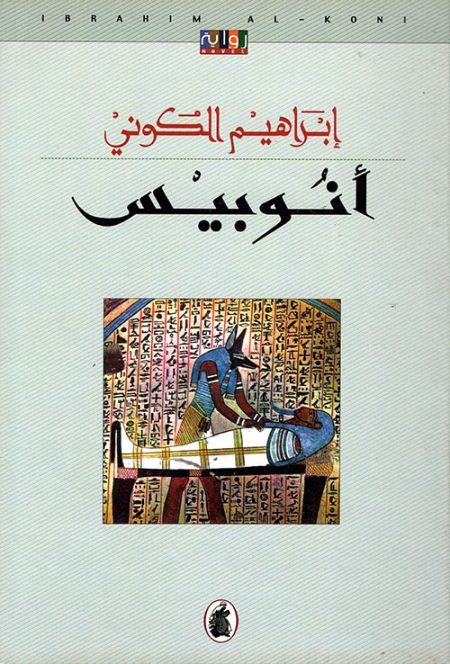
“Doesn’t the ancestor have the right to enjoy the company of the descendant for a night?” He glanced at me disapprovingly. He seemed not to understand and remained silent. I should have interpreted his disapproval as a threat and stopped, but I found myself going further in my quest to unveil my secret: “Will you spend the night with me if I tell you who you are?” In the moonlight, I saw a strange gleam in his eyes. I saw astonishment, confusion, and pain. He didn’t answer my question, so I took a step, then two. I bent over his head and cried out in the voice of one who had discovered a well or a spring: “You are Ara! There is no doubt that you are Ara!” Everything changed in the blink of an eye. The slender phantom sprang from its hiding place with the leap of a giant and trembled with a tremor unlike any I had ever seen in a creature’s body. I had only ever seen it in the bodies of the possessed, those tormented by longing. After that, I didn’t know for sure what happened. All I glimpsed was the blade of the knife as it bathed By the light of the newborn moon. Then… then the heat of the viscous, clotted fluid that flowed from my throat. I was still standing facing him when I gasped, “But… why? Why did you kill me?” I heard him answer, “Because you would reveal my secret to the world if I didn’t, so forgive me!” I clutched my throat. I felt dizzy, but the stab I felt in my heart was more painful than the one in my body, so I fought back fiercely, “Don’t you know that you… killed your father?” Many have claimed my fatherhood. A prophecy is only believed the time we deem it a lie. I am your father! Nonsense! Is it the son’s destiny to kill his father?! I read a prophecy in his words that appealed to me, so I fought off the dizziness, stuffed the edge of my veil into my wound, and sat down. I decided to speak my own prophecy: We must kill the father in order to search for the father. We must kill the father in order to find the father! I heard him repeat it as if possessed: We must kill The father, so that we may search for the father. We must kill the father to find the father! I know that your father once did to his father what you have done to yours now? He did not answer. The full moon began to tremble and grow melancholic in my eyes, so I spoke to the phantom with my last will and testament: I have a request of you: Do not lay a hand on a man from whose hands you have drunk a sip of water! It vanished—and I found myself in my silence, isolated, abandoned, as I have always found myself. What frightened me most was not being able to light a fire to illuminate myself with its light, to complete the final chapter in my story, which I now realized was not real. But my mad desire to transform the dream into reality made me fight tooth and nail until I managed to light the fire, to imprint on the grandfather’s map a final mark that would be proof to future generations of the reality of “Anubis,” who was not a shadow or an illusion, but a man who crossed the desert. In Ibrahim al-Koni’s desert, the mirage transforms into a screen upon which the puppets of imagination dance. His mind soars, carrying him on a journey with these puppets to the realms of legend. In the stillness of silence, a legend takes hold of him, and a yearning stirs within his heart to uncover the truth about “Anubis.” He sets out in search of it across his vast, endless desert, much like the adventurers and treasure seekers who teemed in the desert at that time. The only difference is that while they were accustomed to finding treasure sites with maps stamped on pieces of leather, Ibrahim al-Koni’s treasure is a hidden testament, its root in his heart and its trunk buried in the mouths of peoples wandering the desert’s labyrinth. He roamed far and wide, traveling on camels and crossing the desert with some relatives, visiting the most remote tribes in Azjer, Aïr, Adagh, and Ahjar to interrogate their leaders, elders, and wise men. In Timbuktu, some sheikhs revealed to him pieces of leather. Hidden in old wooden boxes, worn and eroded, the color of the Tifinagh symbols printed on its pages faded. They said that this text is the oldest written record of the legend. In Agaris, the storytellers and wise men of the pastures pointed out the difficulty of extracting the biography of the ancestor Anubis from the legends of the desert feet, because the biography often overlapped with the legends of the epics and the biographies of the ancients. But he did not despair. He recorded everything he heard from the narrators, deciphering the lost symbols of the myth, comparing them to oral accounts, then arranging and organizing the events of the epic, and rewriting it in his native language. The legend lay dormant between the pages for a time, until thought revisited it after the writer had endured a long journey through the world’s capitals. He found in the story of the first ancestor, Anubis, reflections of his own life (and the life of every human being thirsting for truth). He then translated it from his native language into Arabic, certain that Anubis’s journey was none other than humanity’s journey in this desert that nations call “the world.” Anubis’s suffering in his search for his secret was none other than humanity’s suffering in its search for the secret. And Anubis’s secret tribe was, in truth, nothing other than the human tribe that has not discovered its secret since that distant time until this very day.


Reviews
There are no reviews yet.