
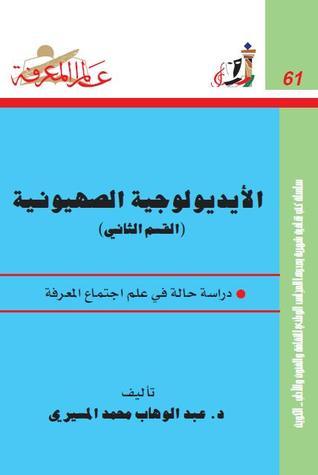
Description
After the glorious Battle of Beirut and the bloody massacre that followed, the dimensions of the global Zionist confrontation became clear, embodied in Western imperialism in the Middle East and Arab nationalism. It has become clear that the Zionist plan does not target only Palestinian land or even the Palestinian people, but its ambitions extend to Lebanon, Jordan, and Egypt, and to whatever extent its own power can take it.
Therefore, it can be said that this comprehensive study of Zionist ideology is being published at a crucial historical moment, as all parties are regrouping and reassessing their strategies to prepare for the coming battle. The battle is not over, as some believed after the Camp David “peace”—an illusion that did not last long. This study attempts to avoid focusing on certain aspects of Zionist ideology while neglecting others—for example, by focusing on the religious aspects while ignoring the economic ones. This study does not focus solely on the political aspects, nor on the relationship between Zionism and the Arabs, excluding the Jews. Rather, it aspires to be a comprehensive and systematic study, in the truest sense of the word, examining Zionist ideology from all angles. If there is anything new in this study, it lies in this aspect.
This study can also be considered a sociological study of knowledge, using Zionist ideology as a case study. The sociology of knowledge is the science that examines the relationship between ideas and society, how these ideas are formed, how certain individuals adopt a set of specific, shared ideas to form a human group with a particular understanding and vision that determines their political behavior, how these ideas are subsequently realized, shaped, and modified through political practice, how they confront challenges arising from within and outside the intellectual framework itself, and what the outcomes of these challenges are.









Reviews
There are no reviews yet.