
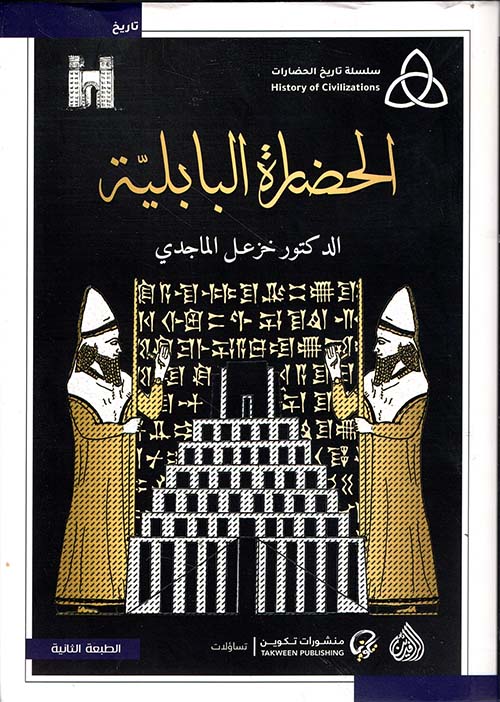
Description
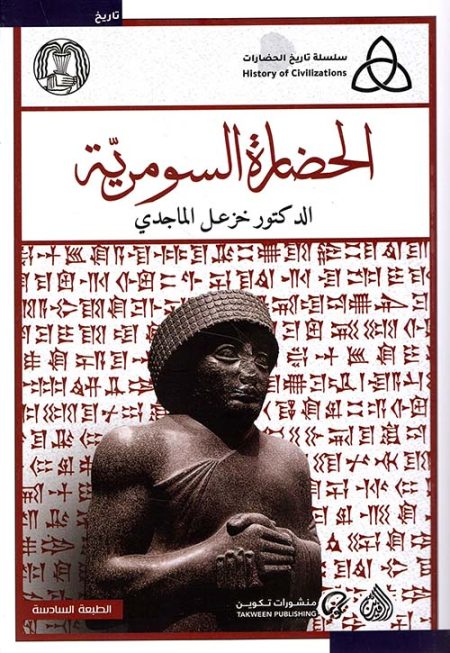
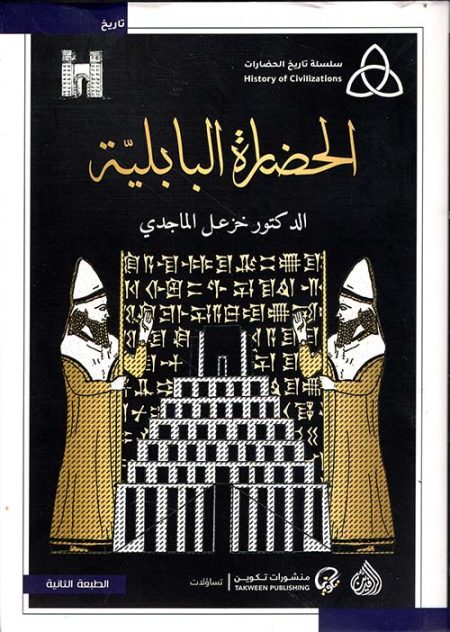
This book is the first scholarly study of Babylonian civilization in Arabic. It sheds light on fifteen components of this civilization through information, explanation, and analysis. The material elements manifest in their tangible heritage across various aspects (geographical, political, military, economic, material, energy, and scientific), while the cultural elements correspond to these in their historical, legal, civil, literary-intellectual, psychological, religious, and artistic aspects. These two elements form the two sides of the scale of civilization, the balance of which is maintained by ethics and the equilibrium of its material and cultural components. Each of these elements is explored in detail in a separate chapter of the book.
To complete the picture of Babylonian civilization, an introductory chapter was necessary, introducing Babylon, its peoples, their names, the sciences and specialized studies that have investigated it, and the scholars who contributed to these studies. A concluding chapter was also essential, offering an assessment, evaluation, and critique of this civilization and exploring its unique characteristics.
The book’s seventeen chapters offer a portrait of Babylonian civilization unmatched by any other work in this field, providing a level of diversity and depth unparalleled. Therefore, we can confidently say that it is a truly novel book, unique in its domain.
The unfortunate image of Babylon presented by the three Abrahamic religions contradicts the reality of Babylon’s civilization in every respect. For a long period in the past, spanning approximately 2,000 years, and continuing for nearly a century and a half, the image of Babylon in the Torah dominated the minds of people in both the East and the West. Babylon was portrayed as a land of magic and divination, a realm of evil teeming with demons, jinn, sorcerers, and magicians.
Babylon perished, but the image of its debauchery and immorality, as depicted by these religions, persisted. This image was only altered by archaeologists who, beginning in the mid-nineteenth century, began to uncover the true nature of Babylon and its civilization.
Not only did the image change, but Westerners were shocked to discover that the Bible, which had so vehemently criticized and vilified Babylon, was rooted in its very foundations and religious content. This absurdity ended when they learned that the authors of the Torah and the Talmud wrote in Babylon, copying its heritage and attributing it to themselves and a people who had no distinct identity until they settled in Babylon, benefited from its natural, economic, and intellectual resources, and formed their religion there.





Reviews
There are no reviews yet.