
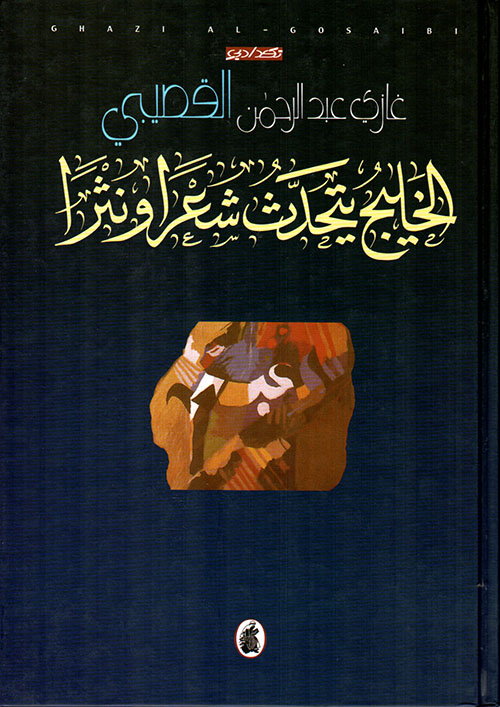
Description
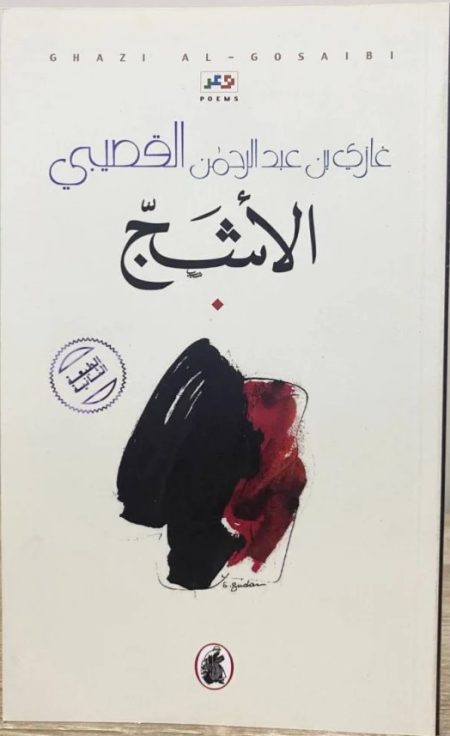
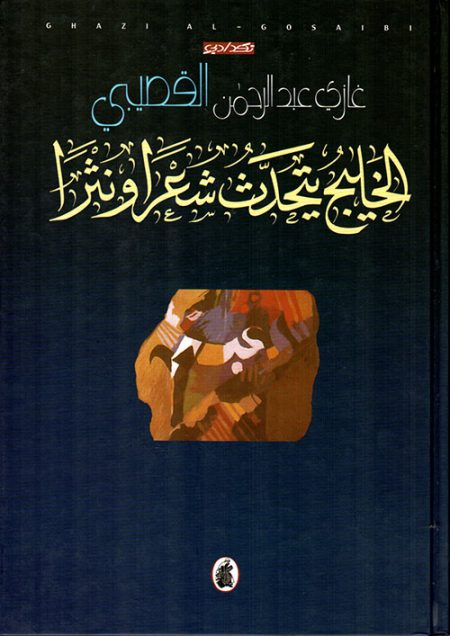
Al-Gosaibi took the poetry collection from the shelf, initially reading it merely as a courtesy to his friend, the Sheikh. Yet, after just a few pages, the work seized him—violently—and drew him into its depths. There, Sinbad the Poet—the collection’s author—awaited him, whisking him away without preamble on a strange and thrilling journey. Sinbad began in the Arabian Peninsula, pausing amidst the Sheikh’s trees to recount the days when Rakan used to visit the region… “content, delightful, and elegant—like a flash of lightning on evening balconies; flowing like a dream upon the back of a dapper twilight; conquering the surging horizon; sipping from thirsty eyes… and etching a poem upon the water… or vanishing!” Then, Sinbad the Poet ventured deeper into the Arab lands, halting Al-Gosaibi in Palestine to contemplate the unequal struggle between the “Child of Stones” and the ogres: “where poems stand defiant in the open wild, and where birds carve—from the chainmail of night—a hymn for the ruins and a sigh for the departure of evening.” In another corner of the Arab world, Al-Gosaibi sees the “Southerner” Amal Dunqul riding his bed toward the soil of the homeland. Sinbad the Poet cries out: “Oh, the humiliation of Taghlib, when others accepted self-erosion! Are the gateways to be violated? Are all visions and torches to be slaughtered? And all that the proud years had stored away? Do the horses lose their urge to neigh?” Then, Sinbad—and Al-Gosaibi, the reader—are swept into a terrifying, hellish scene: figures bearing “Arabism” like a well-bucket, casting it into the abyss, securing the heavy bolt, and then heaping its pure blood atop the carnage. “Then Sinbad returned… bearing the old longing, all that young women and lavish tales desire, and all that the stirring restlessness had left him; upon his weather-beaten features lay the traces of sea-swept evenings—a hint of incense.”



Reviews
There are no reviews yet.