
Description
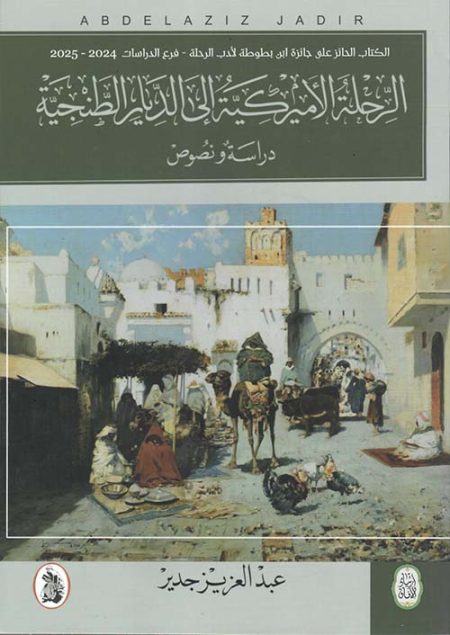
This account of the Hajj journey offers an intriguing glimpse into the character of the Moroccan intellectual and his perspective on the “Other.” It addresses thorny issues—such as quarantine regulations and the phenomenon of religious innovations (*bid‘ah*) in both the Maghreb and the Mashreq—as well as the author’s (Hajj Bouchaara’s) conception of modernity. The journey took place during a critical historical juncture, shaped by two factors: the general transformation of the Hajj pilgrimage route and the specific historical and political conditions prevailing in the colonized regions of the Maghreb and the Mashreq at the time. Undoubtedly, this context resonates directly within the travel texts. The editor—whose work on this text earned the Ibn Battuta Prize for Travel Literature—notes that Hajj Bouchaara’s observations in the Mashreq extended beyond mere landmarks and religious shrines. He engaged with social realities, criticizing the behavior of pilgrims within the Sacred Mosque in Mecca and expressing dissatisfaction with various matters, while also voicing his annoyance at certain myths and superstitions associated with visiting the region’s historical sites. The researcher attempts to indirectly address pressing, complex questions—such as whether a travel narrative constitutes a historical source and, if so, in what sense. She also explores the genre’s potential as a source, given that it blends literature, geography, the marvelous, accounts of miraculous deeds, and a wide array of sciences, disciplines, and literary forms.



Reviews
There are no reviews yet.