
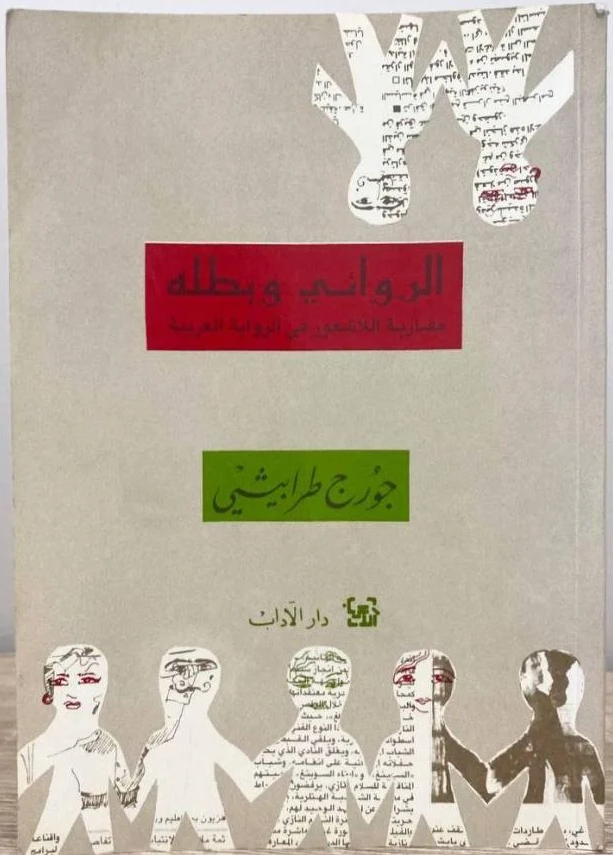
Description
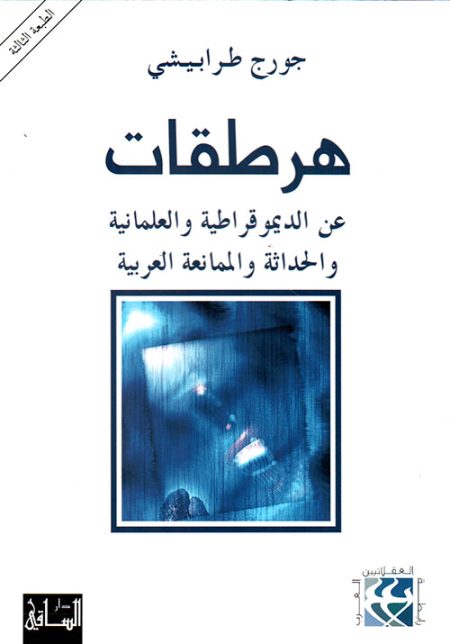
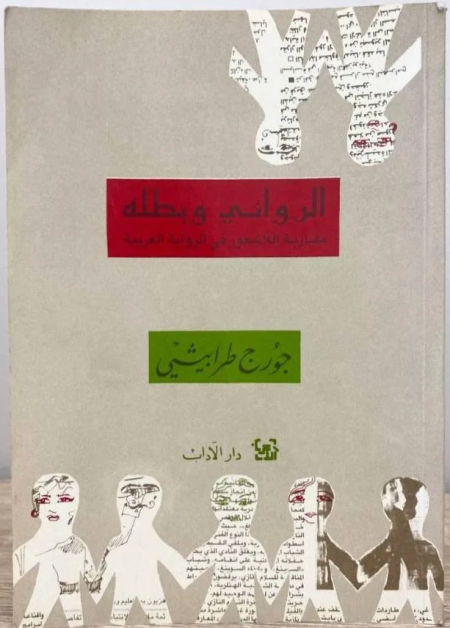
The hero, a creation of the novelist’s imagination, occupies a place alongside famous figures—kings, leaders, and luminaries of politics, science, literature, and art—as if he were a real person with an actual existence in history. Some critics have even made this “realism” a criterion for the success of a novel: only characters that appear genuine, as if they were “of flesh and blood,” can truly win the reader’s conviction and capture their emotions to such an extent that they forget they are merely words. If the researcher here employs psychoanalysis as a method, can fictional characters dispense with the existence of an unconscious? Are fictional characters necessarily constructed, while the unconscious is spontaneous, and therefore impossible to originate from a genuine unconscious? And if so, do they originate from the novelist’s unconscious? Here, George Tarabishi argues that the unconscious of the fictional protagonist is independent, to a greater or lesser extent, from the unconscious of the novelist. Regardless of the degree to which the protagonist’s unconscious is defined in relation to the novelist’s, a distance of freedom must always separate the two. He insists that the subject he places on the bed of psychoanalysis in this book is the fictional protagonist, not the novelist himself. The established practice was precisely the opposite: the shift from the “written” fictional protagonist to the “writer” novelist was precisely what the founder of psychoanalysis did when he set an example in his analysis of the German writer Wilhelm Jensen. However, the path George Tarabishi takes in this study comparing the unconscious in the Arabic novel is the exact opposite. His point of arrival, as well as his starting point, is literary criticism, and psychoanalysis, which he approaches only as a methodological tool, is employed to serve literary criticism. Therefore, the writer himself is of little or no concern to him. He asserts that the most original works of art, the most capable of communication, and the most enduring are those that cross the forbidden threshold. The sacred realm of the unconscious, and it seems to him that the tales of the sailor “Hanna Mina” and “Badr Zamaneh” by Mubarak Rabie are among the few Arabic novels that have managed to approach that threshold. These two novels, through the dialectic of giant fathers and dwarf sons, have managed to liberate themselves to a considerable extent from the weight of ideological constraints operating under the banner of religion and linked to the nature of the Arab historical period. This audacity in challenging the realm of the unconscious, with its unraveling of the paternalistic knot, was the primary criterion for nominating George Tarabishi, the protagonist of these two novels, for further psychoanalytic analysis. This is the first point. Secondly, there is another consideration behind this choice: the first novelist is from the East and the second from the West, and this is done to preserve the unity of Arab culture and restore its essence after recent attempts to fragment it.

Reviews
There are no reviews yet.