
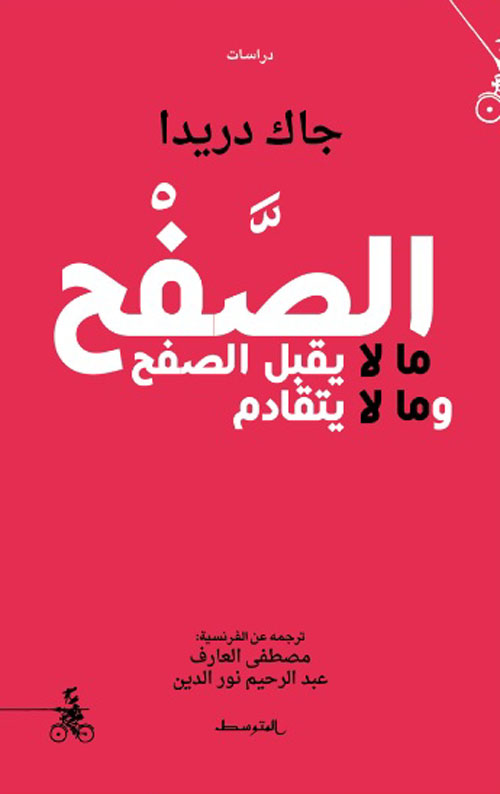
Description
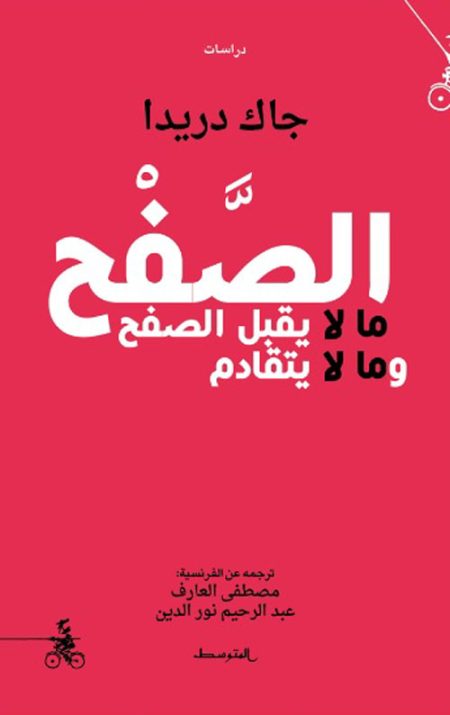
The book “Forgiveness, What Cannot Be Forgiven and What Does Not Grow Old” by the famous French philosopher Jacques Derrida, translated from French by Mustafa Al-Aref and Abdul Rahim Nour El-Din, was published by Al-Mutawassit Publications – Italy. This book discusses the concept of forgiveness, insofar as it is an exceptional concept. Crimes committed in the name of humanity, and against humanity—those atrocities and horrors that transcend the bounds of humanity, reaching the superhuman realm and attaining the level of radical and absolute evil—cannot be reconciled with the naive notion of forgiveness as a political, legal, legislative, or religious consensus. These atrocities fall into the category of the unforgivable, the irreparable, the indelible, the irreversible, the unforgettable, the uncancellable, and the unassailable. They transcend the ultimate and final limit. This text by Derrida is a reading and discussion of the arguments of the French philosopher Vladimir Jankélévitch, who addressed the issue of forgiveness for the perpetrators of the Nazi Holocaust in his books “Forgiveness” (1967) and “What Does Not Statute of Limitations” (1986). However, his approach was characterized by excessive harshness and escalating excess, which ultimately stripped forgiveness of its meaning.
Forgiveness, perhaps, presupposes from the outset, as if it were a hypothesis, the involvement of a third party. Yet, this party must, or may be obligated to, exclude them. In all cases, and even according to common sense, no one seems to have the right to forgive on behalf of another for an insult, crime, or harm committed. Forgiveness should never be granted in the name of the victim, especially if the victim is entirely absent from the scene of forgiveness, such as if they are deceased. Forgiveness cannot be sought from the living, from survivors, for crimes whose victims are now dead.






Reviews
There are no reviews yet.