
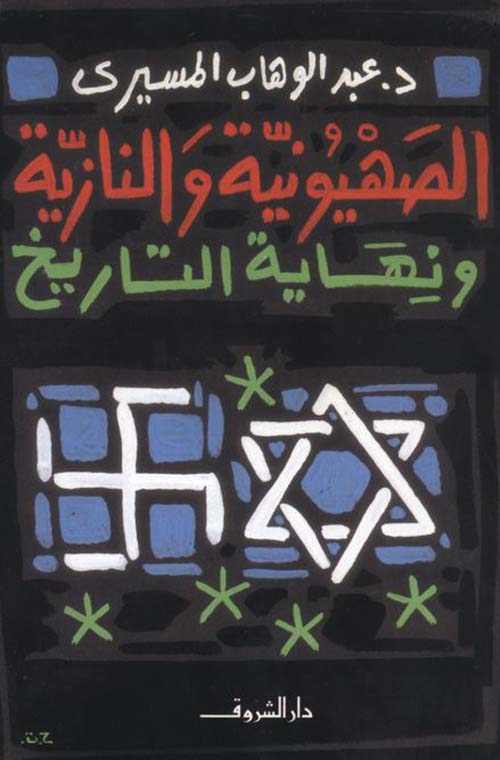
Description
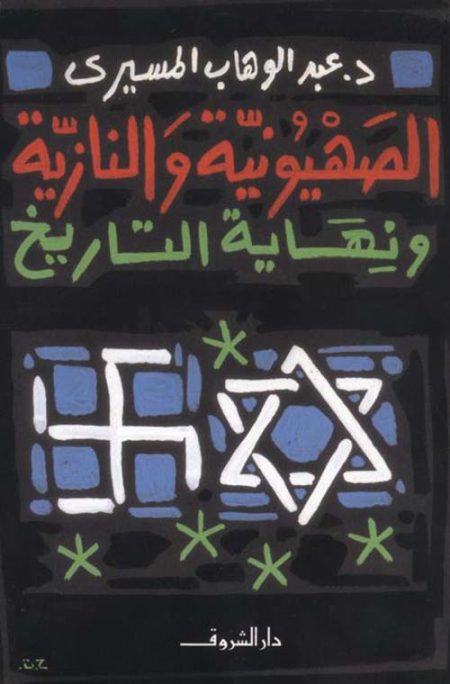
This book examines Nazism from a civilizational and epistemological analytical perspective that transcends historical narrative and political analysis. It goes beyond the mere accumulation of information and facts, employing a methodology that studies historical and civilizational phenomena through explanatory models. The book begins by defining genocide and some of its key terminology. It then explores the phenomenon of genocide within its civilizational and German context, addressing some of the political and philosophical issues raised by the Nazi extermination of European Jews. These issues include the separation of science from values, the exploitation, monopolization, and denial of genocide, the question of the Final Solution, the number of victims of Nazi crimes, and the prosecution of Nazi war criminals. The book also examines the place of the Nazi genocide in Western philosophical and literary consciousness. Finally, it raises one of the most controversial issues: the collaboration between members of Jewish communities (especially Zionists) and the Nazis.












Reviews
There are no reviews yet.