
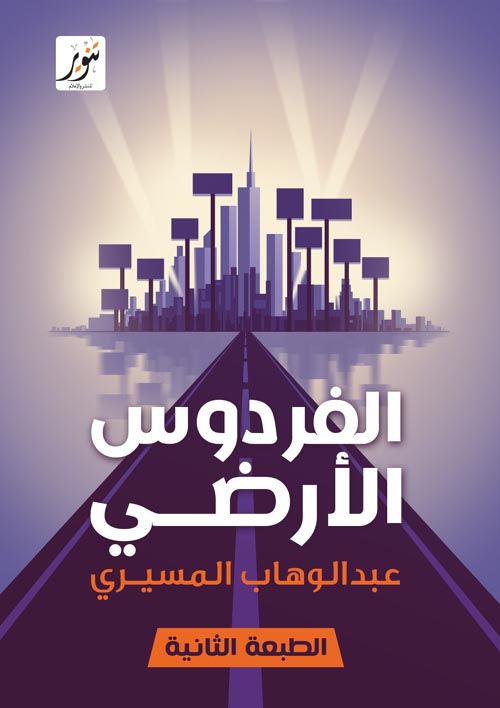
Description
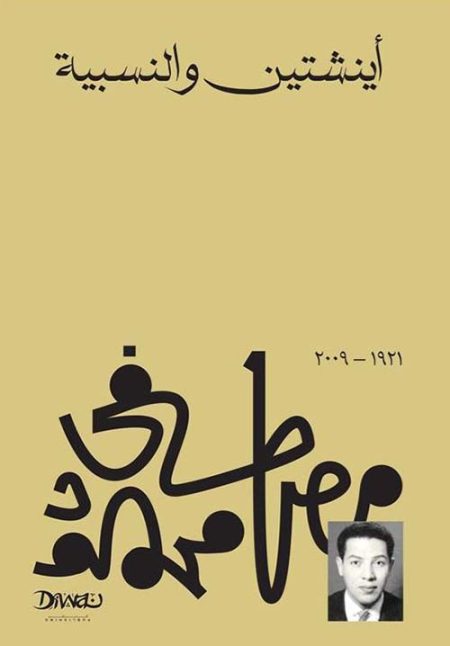
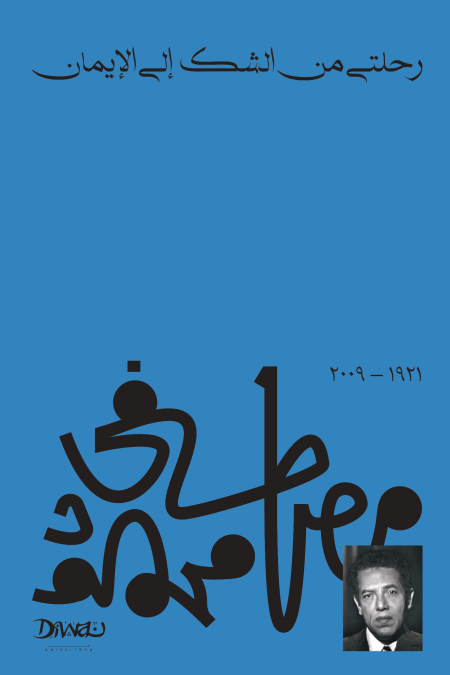
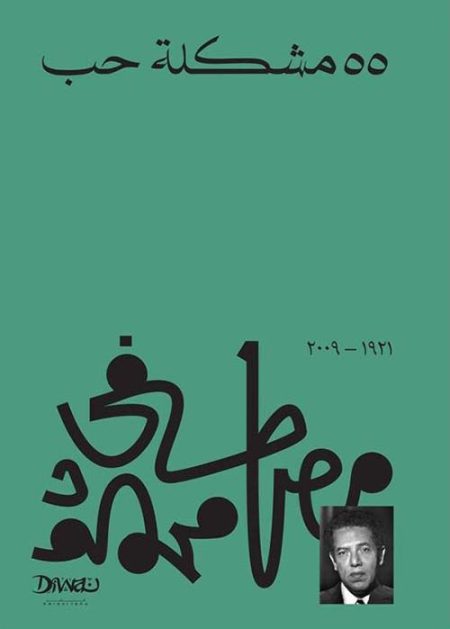
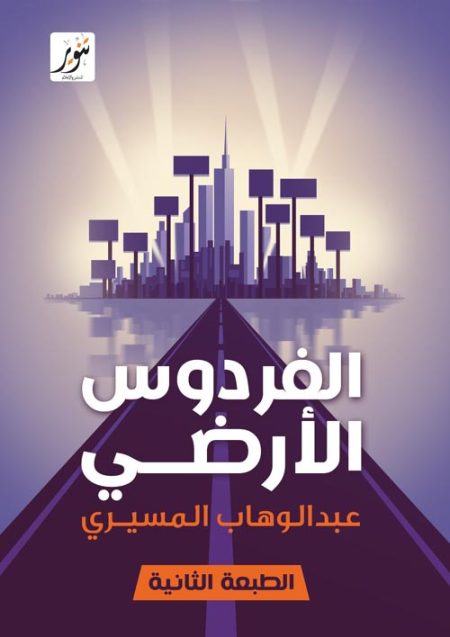
This book was published once, in 1978, in Beirut, and has not been republished, despite its immense importance in shedding light on a pivotal stage in the life and intellectual development of its author, the eminent scholar. This booklet, despite its small size, is of immense value; it encapsulates all the main tenets upon which his monumental intellectual project was built, a project that has influenced an entire generation of young Arabs. In this book, the author employs all his tools to achieve his spiritual salvation: literary criticism, Marxist analysis, the remnants of the sociological religious teachings he acquired in Damanhur, and his innate human nature. He uses them all with remarkable sincerity and fervor, rejecting not only materialism but all its manifestations, the most dangerous of which is utopia, or the earthly paradise, as he calls it. He rejects any ultimate worldly salvation that undermines humanity. He rejects any external paradise in this world; for the true earthly paradise is never external, but rather an internal paradise: the “paradise of the heart,” which Al-Messiri discovered with Malcolm X; the paradise of faith. In this book, Abdel Wahab transitioned from materialism to humanism and Islam. He mentioned in his autobiography that Malcolm X was his guide to Islam. Anyone who reads the chapter the author dedicated to El-Hajj Malik El-Shabazz (Malcolm X) will understand how the American Malcolm served as Abdel Wahab’s gateway to Islam. While El-Messiri’s intellectual biography traces the birth of his ideas and methodology, and his poetic biography depicts the transformations of his conscience, this book—perhaps unintentionally—combines intellectual and poetic biography. It is a portrait where thought and feeling intertwine in a unique moment of human transformation. It is a book written with the light of the heart and the ink of the mind.


Reviews
There are no reviews yet.