
Description
Cain did not kill, even though humanity has regarded him with disdain throughout the ages. This, in any case, is the lesson we should draw from the Old Testament, and even more so from the Gospels, rather than from the crude examples of Mosaic Law. And nothing prevents our country from undertaking a time-bound experiment (for ten years, for example) if our parliament remains incapable of atoning for its votes favoring alcohol production with that great civilizing measure of abolishing the death penalty altogether. If public opinion and its representatives truly cannot abandon this lazy law that merely eliminates those it cannot reform, then let us at least strive, while awaiting the dawn of a truly serious life, to abolish this “celebratory slaughterhouse” that pollutes our society. The death penalty, as it is applied, however sparingly, is a revolting massacre, an affront to the human person and body. This beheading, this severed living head, these long fountains of blood—these belong to a barbaric age that believed it could terrify the people with humiliating spectacles. Today, when this vile death is carried out in secret, what meaning remains in this torture? The truth is that we kill in the atomic age as we did in the age of scales. No person of sound mind would fail to feel nauseated at the mere thought of this brutal surgery. If the French state is incapable of overcoming its own limitations in this regard, and of providing Europe with one of the remedies it so desperately needs, then at least it should begin by reforming the way the death penalty is administered. The science that facilitates mass killing can at least facilitate killing with dignity. The executioner’s penguin would transport the condemned from a state of sleep to death, remaining at his disposal for at least a day so he could use it freely. It would be enforced in another way should he refuse or his will fail him. Such a penguin would guarantee death, if we were to cling to it, but it would lend a semblance of dignity to a process that today is nothing but a vile and obscene spectacle.
I mention such a compromise insofar as we must sometimes despair of seeing wisdom and civilization impose themselves on those responsible for our future. Knowing the true nature of the death penalty and being unable to prevent its application is unbearable and horrifying for some people. And they are more numerous than one might think. They, too, suffer from this punishment, in their own way, and without any justice. Let us at least alleviate the burden of these sordid images under which they are languishing, and society will lose nothing by doing so. But even this, in the end, is not enough. There will be no lasting peace, neither in the hearts of individuals nor in the morals of society, until death is placed outside the law.
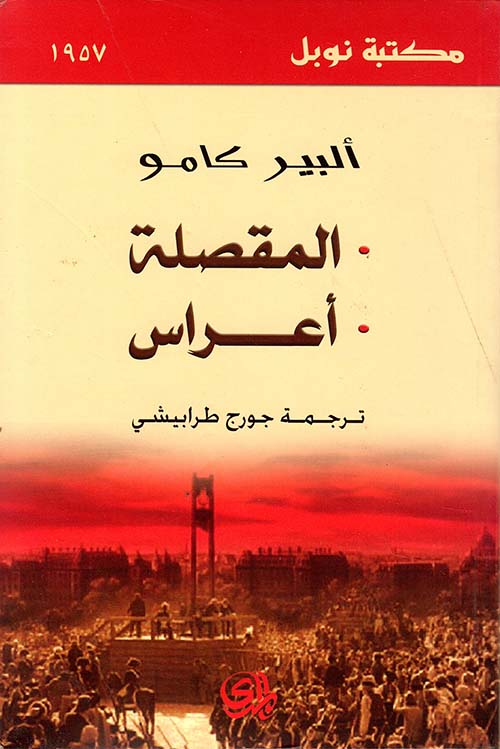
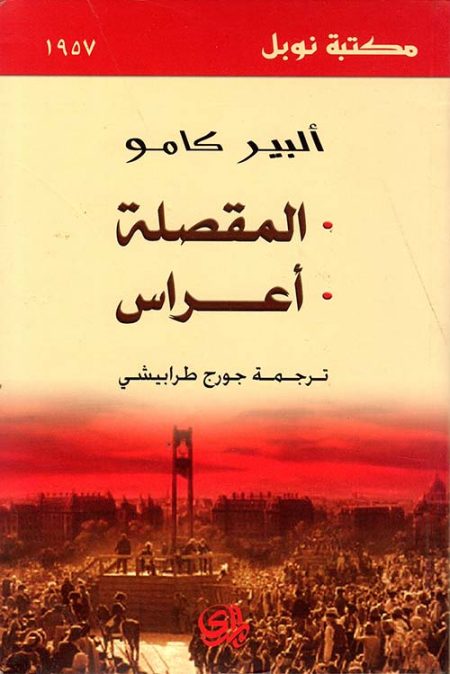
In 1955, Arthur Koestler launched a newspaper campaign to abolish the death penalty in England. Shortly after his campaign, the British House of Commons voted to abolish capital punishment, but the Conservative House of Lords blocked the measure. In 1957, Albert Camus wrote this essay on the death penalty, adding his voice to Koestler’s and calling for its abolition in France.










Reviews
There are no reviews yet.