
Description
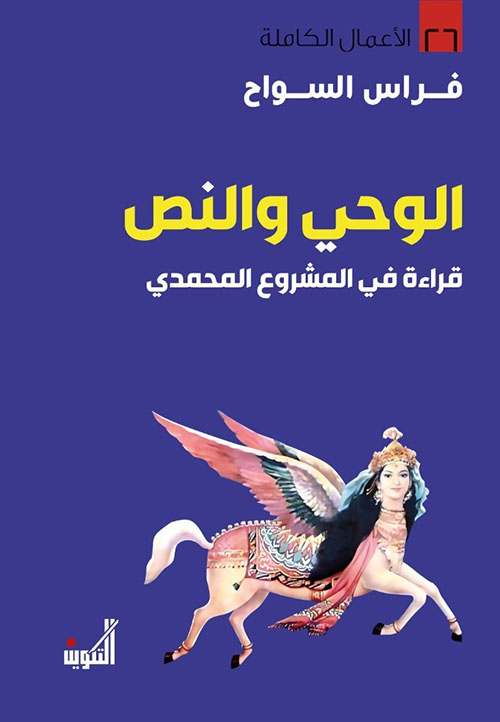
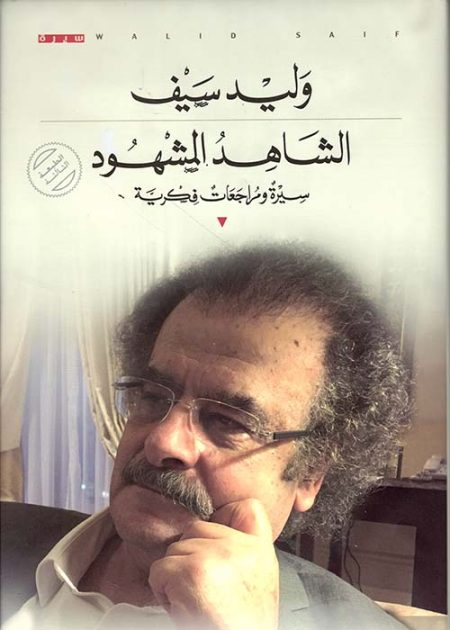
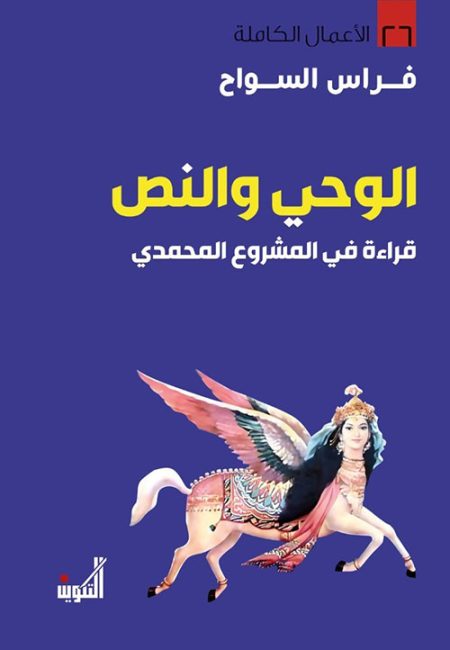
The Islam that has reached us from the early centuries of the Hijra is called orthodox Islam by Western researchers. This term does not refer to orthodoxy as a Christian doctrine, but rather encompasses meanings of conservatism, veneration of the past, and fear of the new. Since the sixth century AH, Islam has been reproducing itself, or rather, inferior versions of it, more resistant to adapting to the realities of its time. This has recently manifested itself in political Islam, which has produced takfiri and jihadist thought. Therefore, Muslims preparing to enter the modern age and participate in producing its culture, rather than merely consuming it, face two choices: either to enter the modern age without religion, as Europe did when it abandoned religion to individual piety and transformed into secular societies, or to enter it with religion after a comprehensive and critical review of the entire religious heritage, in order to develop an Islam that is more suited to the modern age and more aligned with the objectives of the Holy Quran. The following chapters of this book are a contribution to this project, presented with the methodology of a historian of religions who views Islam within the broader context of human intellectual development.
Reviews
There are no reviews yet.