

Description
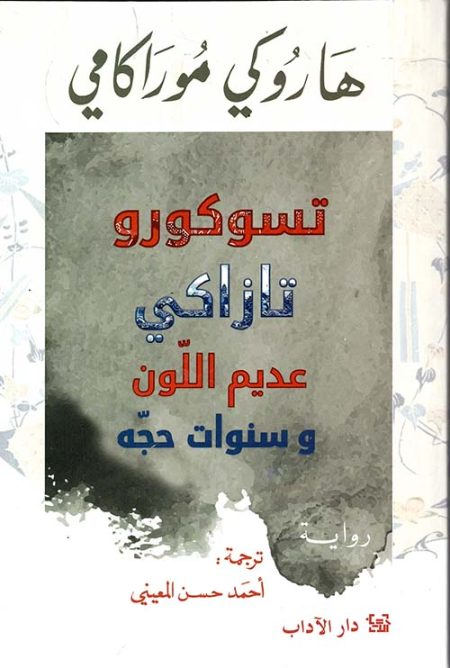
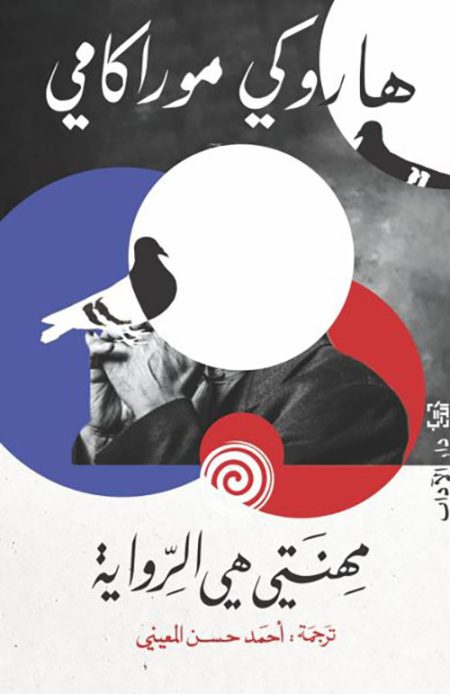
The Japanese novelist Haruki Murakami is the most widely read Japanese writer among Arab readers, who eagerly embrace his works. This isn’t solely due to his literary style and innovative ideas, but perhaps also because Arab readers have access to little more than his novels and a few other Japanese authors. I don’t say this to diminish him, but rather to acknowledge the shortcomings of the Arab translation movement in general.
The writer is completely dedicated to writing, like his counterparts in the developed world. His publications provide him with a livelihood that lifts him out of the cycle of subsistence and abject poverty (unlike many of our Arab writers). This explains his prolific output, but it varies in artistic and literary value. Some of his works can only be described as empty or tedious chatter. (This novella is an example.)
The author suffered from a writer’s block; his inspiration deserted him, and the sources of his creativity dried up. He was unable to conjure a new idea that would once again draw his audience to bookstores to buy his novel. Then, one day in 2015, the prestigious magazine “The New Yorker” asked him to publish a story. He gave them something from his earlier work, something he didn’t expect to be successful. Thousands of copies of the magazine were sold, which motivated him to continue the story with other tales, compiling them into a book called “Men Without Women,” which sold 72,000 copies in just two weeks!
This novella begins with the protagonist, Keno, going through a period of self-disorientation after his life collapsed. He was a famous runner, but he lost his ability to run due to a tragic accident. He lost his job at a sporting goods company, and then his marriage ended after he found his wife by chance in the arms of his best friend. These successive misfortunes robbed poor Kino of all hope and ambition for a comfortable life, so he decided to withdraw into a quiet, simple project to spend the rest of his bitter days.
Kino rented a shop owned by his aunt and converted it into a simple bar where he worked alone. Because the bar was located in a remote corner of the neighborhood, his clientele was small, but he adapted to this new situation as long as he was isolated from the world and its problems.
The novella’s plot and meaning revolve around Kino beginning to get to know a group of mysterious characters who frequented the bar. Various conversations take place between them, and through them, he learns about their personal lives and tries to help them, at least by listening to them. And, as is his custom, Murakami insists on including intimate encounters between Kino and one of his new female friends who frequents his bar. The novel primarily addresses the themes of loneliness and the psychological exhaustion resulting from human interaction, but it doesn’t present escape as a solution. “Keno’s Bar” is not merely a place for entertainment; it symbolizes the point where human imagination intersects with the ghosts of the past, and the failure to appreciate life in its true form.
In short, “Keno’s Bar” is a novella with a clear and beautiful concept, but it seems to have been written hastily, carelessly, or with the intention of later revisions. I don’t find it to be of the same caliber as the beautiful and timeless works of the beloved Arab reader, Haruki Murakami.





Reviews
There are no reviews yet.