
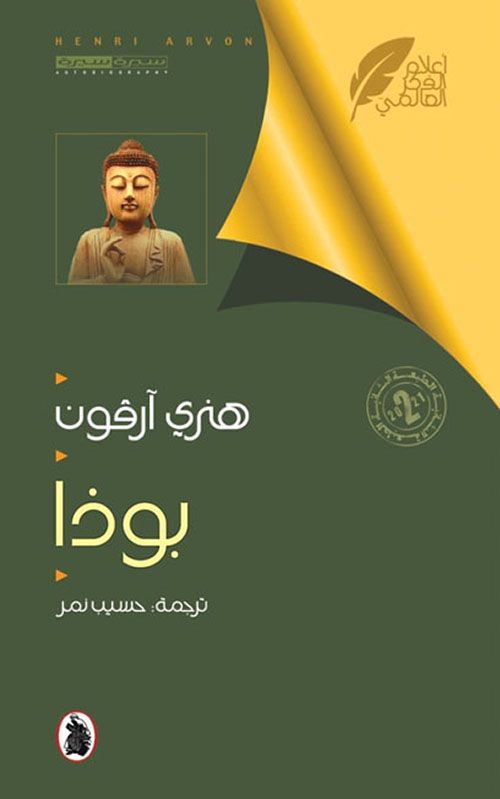
Description
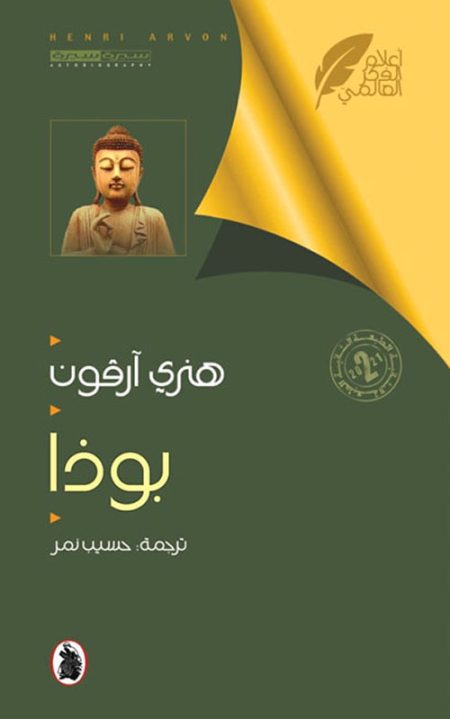
Prince Siddhartha was born in 563 BCE; his father was the leader of the Shakya tribe in northern India. At the age of twenty-one, he decided to renounce the world and devote himself to meditation and the search for truth. He experimented with asceticism for years, only to discover that tormenting the body clouds the mind and hinders the perception of truth. Abandoning this path, he withdrew from society and engaged in deep meditation until he attained the truth, becoming “Buddha”—that is, an enlightened being.
He was a man of strong will, sincerity, gentleness, kindness, and benevolence. He never claimed to have a connection to divine revelation, nor did he profess to speak on behalf of any deity. He was patient in debating his opponents, compassionate, and steadfast in his refusal to harm any living creature—no matter how small—even though he belonged to the *Kshatriya* (warrior) caste.
According to him, the Four Noble Truths are: that life is a form of suffering; that suffering stems from desire; that wisdom is founded upon the suppression of all desires; and that the path to achieving this lies in seclusion, liberation, and the renunciation of the world.
Buddha traveled throughout India, preaching his views on suffering. Many Hindu ascetics responded to his call, and he continued his mission until his death in 480 BCE at the age of eighty. His followers cremated his body and distributed his ashes among eight locations where Buddhism had taken root.
He was asked, “Are you a god or an angel?” He replied, “No.” They asked, “Are you a saint?” He replied, “No.” They then asked, “Who, then, are you?” He said, “I am Gautama, the enlightened, the awakened one.”

Reviews
There are no reviews yet.