
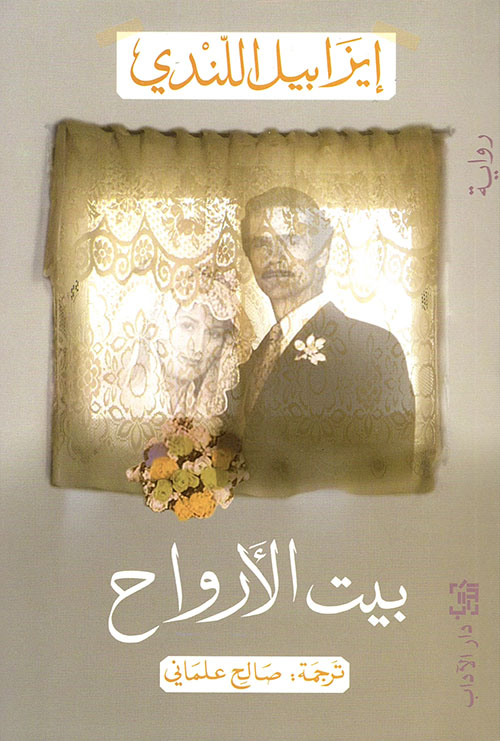
Description
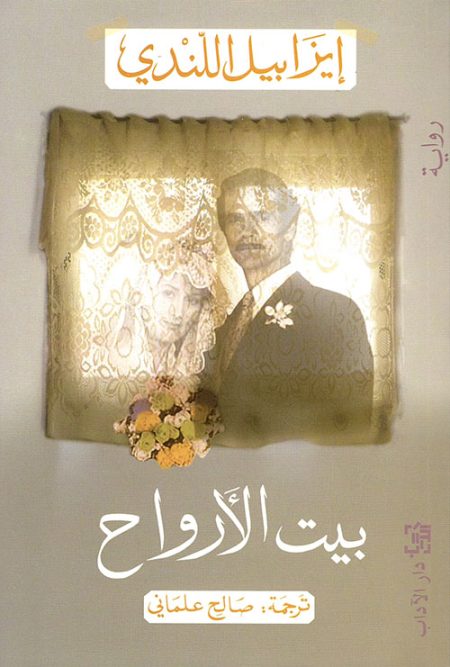
Isabel Allende’s novel, *The House of the Spirits*, became a bestseller and critical success upon its publication in 1985. The author won the Panoramic Literature Prize for this novel, and it has been translated into nearly thirty languages. Some critics believe the novel has social and political dimensions, while others see it as a blend of real events and fiction. It is a magnificent epic that recounts the lives of the Trueba family: their romances, ambitions, spiritual quests, relationships with one another, and their role in the events of their time and history—a history that became a destiny beyond them all.
The novel begins at the end of the 19th century in an unnamed town in South America, in the childhood home of Clara del Valle, the kind-hearted and overly sensitive girl who would become the mother and grandmother of the family. Clara was distinguished from a young age by her powers and abilities: telepathy, fortune-telling, moving objects as if they possessed life, and predicting the future. Following the death of her legendary sister, the beautiful Rosa, Clara remained mute for nine years, resisting all attempts to coax her to speak. When she finally broke her silence, it was to announce to everyone that she would soon be married. Her future husband, Esteban Trueba, a stern and strong-willed man, known for his outbursts of anger and haunted by profound loneliness, was thirty-five years old. Esteban had returned to the capital from his rural estates to visit his dying mother and to seek a wife (he had been Rosa’s fiancé, and her death had deeply affected him, as it had Clara). He was the man Clara had prophesied—and summoned—to be her husband, and in turn, a love for Clara would grow within him, a love that would last him for the rest of his long life. We follow the couple as they move into the magnificent house he built for them. A building everyone calls the Great Corner House, which quickly becomes crowded with Clara’s spiritual friends, the artists she sponsors, and the charitable causes she supports, in addition to Esteban’s political cronies and, above all, the children of the Trueba family: their daughter Blanca, pragmatic and self-conscious, who, to spite her father, forms a lifelong alliance with the son of his business boss; the twins, Jaime and Nicolás; the former, born autistic, who becomes a doctor dedicating his practice to treating the poor and afflicted, and the latter, a playful boy immersed in Eastern religions and mysticism; and in the third generation, the child Alba, Blanca’s daughter (the family refused to acknowledge her father for years due to Esteban’s anger), a pampered and spoiled child, controlled by them all.
Reviews
There are no reviews yet.