
Description
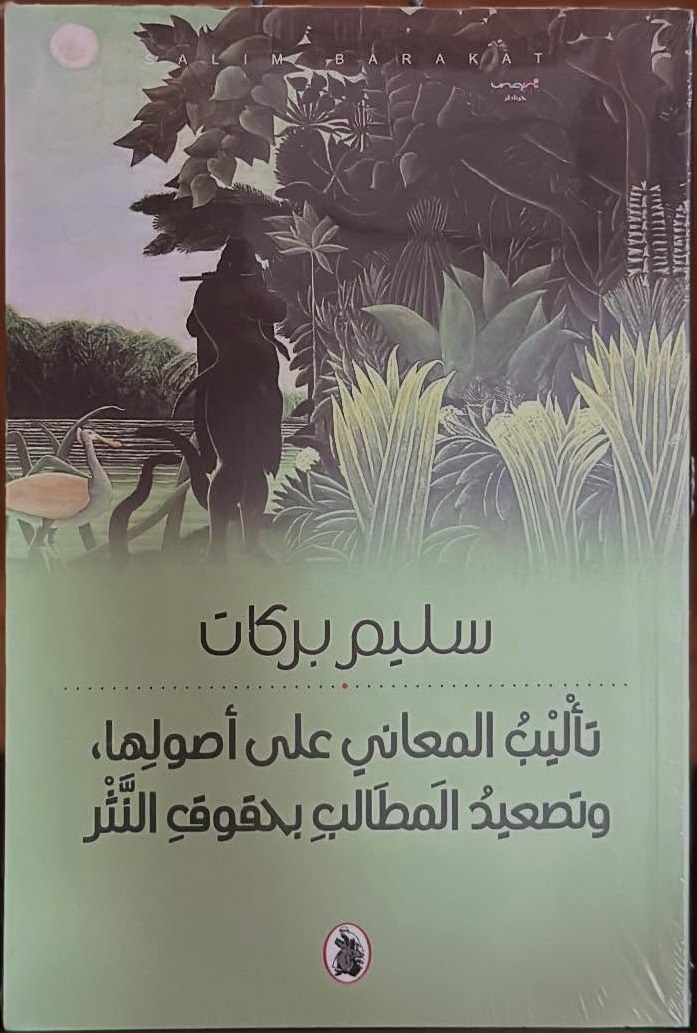
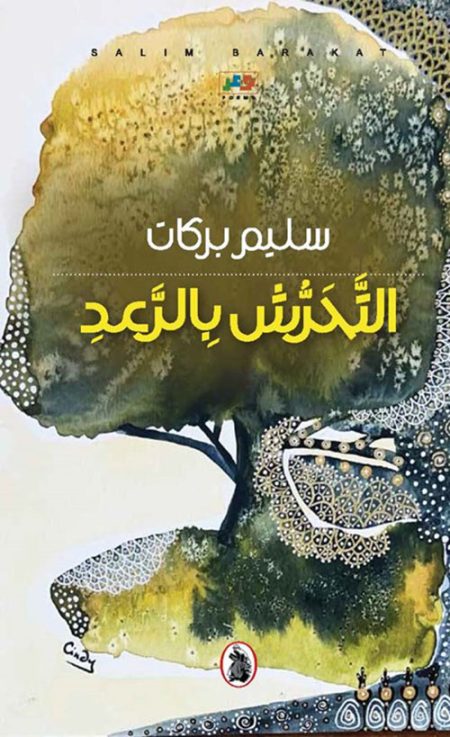
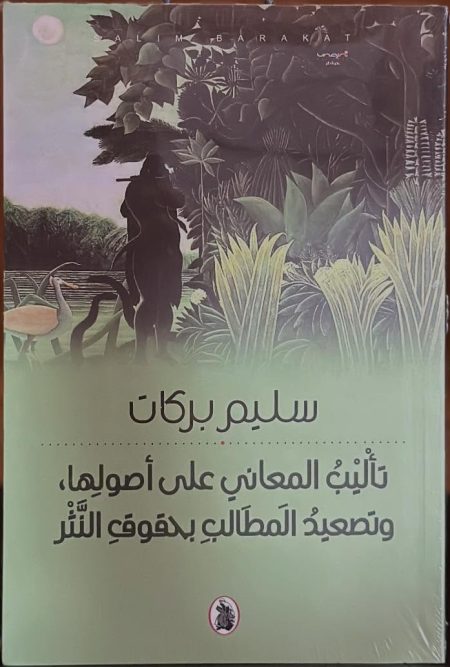
The Arab Institute for Research and Publishing has recently released a new book by the Syrian novelist and poet Salim Barakat, titled *Inciting Meanings Against Their Origins… and Escalating Demands for the Rights of Prose*.
The introduction asks: What do we read in this work—which, in terms of genre, leans closer to Barakat’s poetry collection *The Five Hundred Fragments*? The difference is significant. *The Five Hundred Fragments* was a poetic documentation of sensations that relied on rhetoric as its own aesthetic source—both in crafting linguistic structures and combinations and in “sculpting” images. This new book, which the author categorizes under “Reflections” (or *Khawatir*), ventures into expressions that are essentially prose-like, seeking to reveal a hidden poetry within them:
“Every number is sacred by convention,
Except the number that begot the zero.”
These are gestures and very brief flashes—dense, possessing a wild wit born of a vast imagination, and featuring expressions as volatile as gunpowder:
“A single explosion does not suffice to demolish the dam between creation myths.”
Barakat’s battle plan is clear: by swapping a single word in a prose sentence, he can flip its meaning from the familiar to the new. He deliberately intends for prose to serve as a vehicle for poetic inspiration, rather than remaining confined to the realm of expository or reportorial writing. The image he constructs for this endeavor is striking:
“Unknown girls,
And unknown boys,
Exchanging meeting addresses in the cabaret of prose—
Where the dancers have cast off the trousers of poetry
In the midst of their dance.” Enchanting delirium: “Tears are a patent of invention.” Unvarnished violence: “Demolishing the building upon those inside.” Philosophical contemplation: “Bathing is a series of equations based on the logic of water.” Timeless wisdom: “Madness sometimes loses its mind, behaving just like ordinary people.”
One cannot reduce this book and its content to mere categorized definitions. The list would extend to the point of “inciting meanings against their own origins”—that is, provoking them to destroy their past in order to forge a content capable of accommodating a different present and future of prose rhetoric.
The book spans 160 medium-sized pages.
Reviews
There are no reviews yet.