
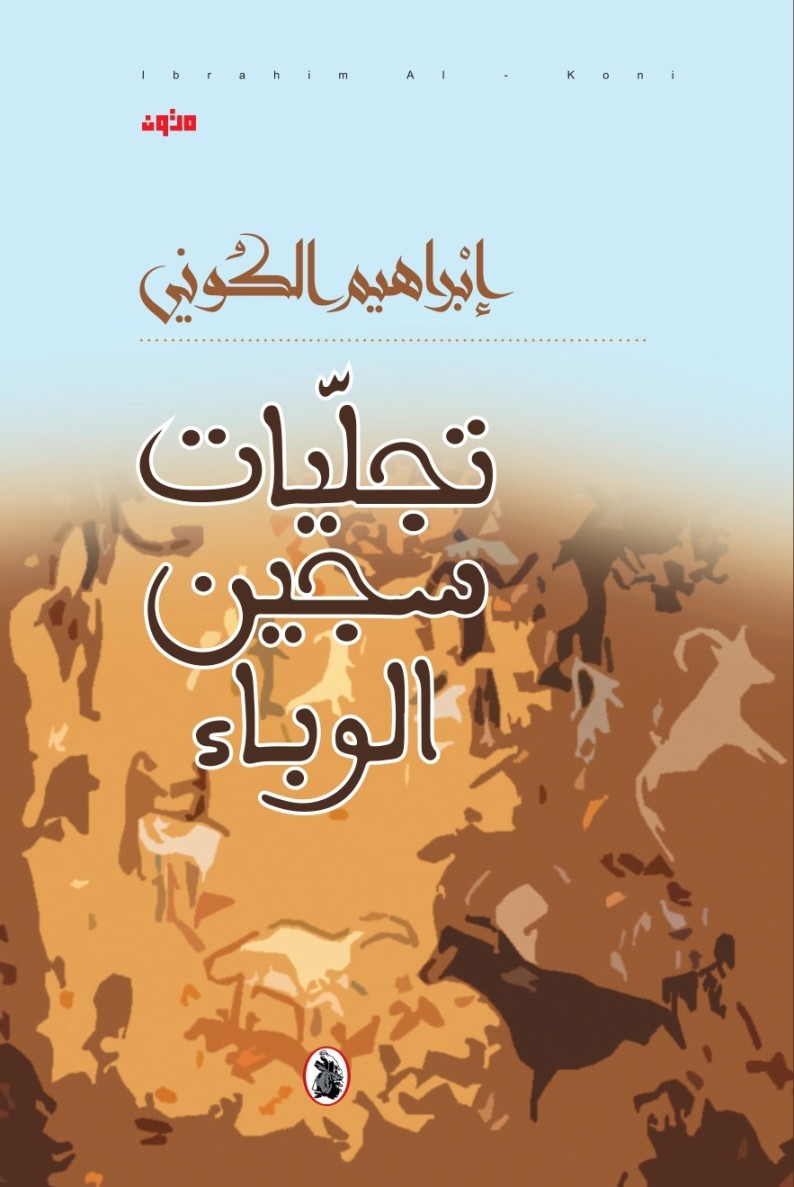
Description
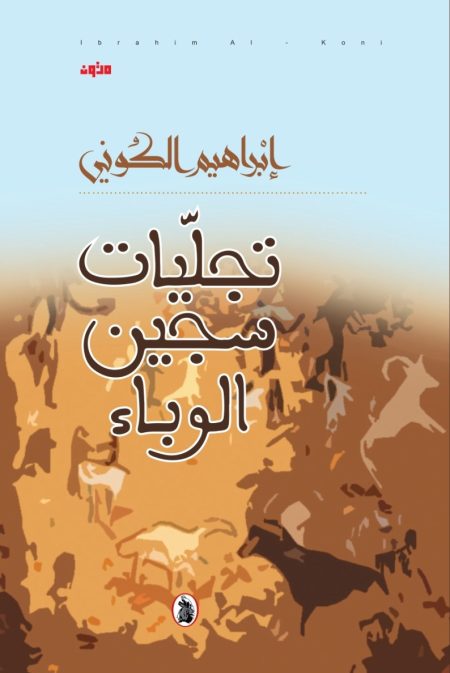
Ibrahim al-Koni’s novel, *The Pandemic Prisoner*, is a symbolic and philosophical work that draws inspiration from the atmosphere of isolation and existential anxiety imposed by the coronavirus pandemic. However, al-Koni takes it beyond reality, transforming prison and the pandemic into metaphors for the search for truth and for humanity’s self-examination and questioning of its destiny.
The novel revolves around the character of a prisoner who finds himself isolated from the world in an undefined place, both temporally and geographically. He begins to contemplate his existence and ponder questions related to freedom, guilt, fear, and fate. Al-Koni does not treat illness as a biological condition, but rather as a spiritual and moral revelation of human vulnerability in the face of incomprehensible forces.
The language in the novel is contemplative, profound, and imbued with mystical thought and myth, which is characteristic of most of al-Koni’s works. He does not present conventional events as much as he offers a mental and emotional experience where isolation intersects with revelation, and imprisonment with inner freedom.
The novel is an extension of al-Koni’s enduring interest in the great questions of existence, but in “Prisoner of the Pandemic,” it takes on a dimension closer to contemporary humanity, reconsidering the meaning of isolation, death, and survival.
The value of any creative work lies in its stance toward mythology, specifically in the place that belongs to the very fabric of that creation. This means that the value of a place resides in its mythology, because it is this mythology that creates the identity of the place.
This identity, distinguishing it from any other place, is the sole prerogative of fabricating the reality of the place, which will ultimately become the place’s treasure, its wealth, marketed as an argument that forges its glory.
But is mythology content to merely assume the role of the voice of the place as a place? In truth, we cannot grant mythology this honor unless it surpasses itself and assumes the authority of the official spokesperson for the spirit of the place, not merely for the place itself. This priestess, who speaks the language of poetry, embraces the religion of philosophy, and recites her prayers in the sanctuary of the worshipped entity of existence, boasts of her role as the interpreter of lost time, borrowing the power of memory: the memory of a forgotten reality.




Reviews
There are no reviews yet.