
Description
If we were to ask any person on this earth how they were born, why they were born, and what they want, they would answer quite simply: “It’s not my fault,” or “It’s the way of the world,” or “This is how all people are born.”
And this is how they will die.
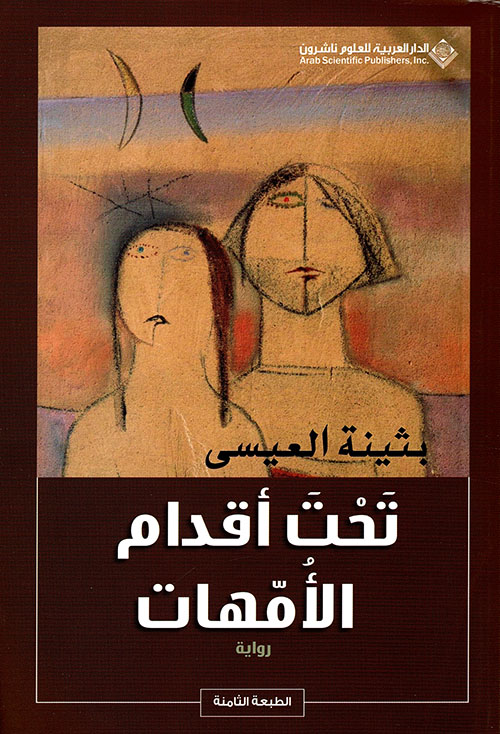
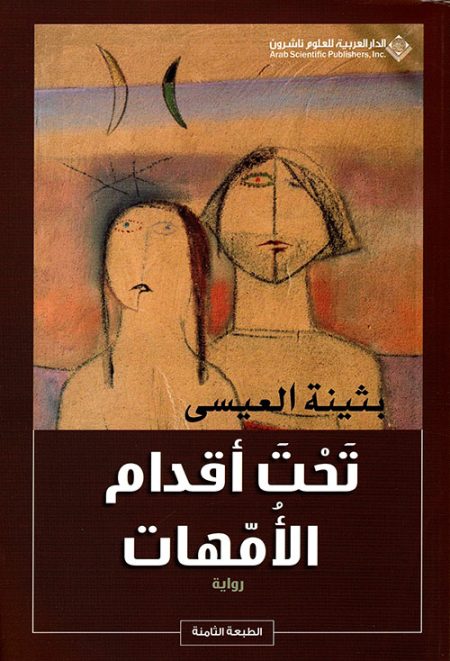
“Under the Mothers’ Feet” is a novel that takes you into a patriarchal world, or rather, a patriarchal society where men are masters and women are created to love and submit to them, simply because they are men. This is the story of Fahad bin Ali, the novel’s protagonist and central character. Through him, the author portrays a society governed by customs, traditions, and religious values that grant men the right to marry more than one woman. The novel also highlights the responsibility of society and religion in instilling these values in men at a young age. The protagonists are still young schoolgirls, two innocent girls eating chocolate and competing for Fahad’s affections. He intends to marry both of his relatives when he grows up. His grandmother, who describes him as the man of the house, the only son, the sole descendant of the noble lineage, the king of kings, the prince of princes, the sheikh of sheikhs, and the knight of knights, supports him. The novelist describes him as a poet without a poem, a scholar without knowledge, and a warrior without a story. The reason for his elevated status in the family is explained by Haila: “When Fahad was born, he came to this…” The world without the cry of birth, a facet of divine dignity,” and that the cries of the newborn signify the presence of demons and devils, and Fahad is distinguished from the rest of humanity by this.” “Under the Mothers’ Feet” is an enjoyable novel, well worth reading and paying attention to. Through her character development and the actions of those in this closed world clinging to its traditions, the novelist Buthaina Al-Essa has managed to put her finger on the wound—the wound of those who are innocent except for being born into such a society. With the same rebellious, conscious woman and the same critical eye, Buthaina Al-Essa crafted her wonderful novel… Madawi wouldn’t let the story end there. She demanded that the narrative shift to the other side, to Fahad, who was born without a cry of birth. Something changed in my mother’s face; a slight frown crossed her brow as she struggled to gather the details of that day. My mother said that the branch had taken its toll on them, and that doubts had crept into their minds that Ali’s son might have been born dead, or sick, or too weak to cry. But something of That wasn’t all. The baby was born without any desire to cry, and even when the nurse held him by his feet and patted his back several times, he didn’t cry. He was placed peacefully in his mother’s lap and immediately began staring, absorbing the world with his enormous, dark eyes, scrutinizing the faces of three mothers all at once.
Reviews
There are no reviews yet.