
Description
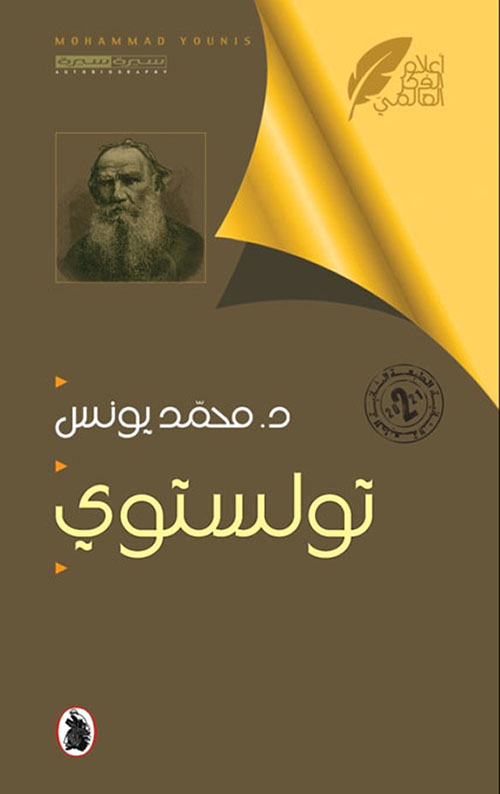
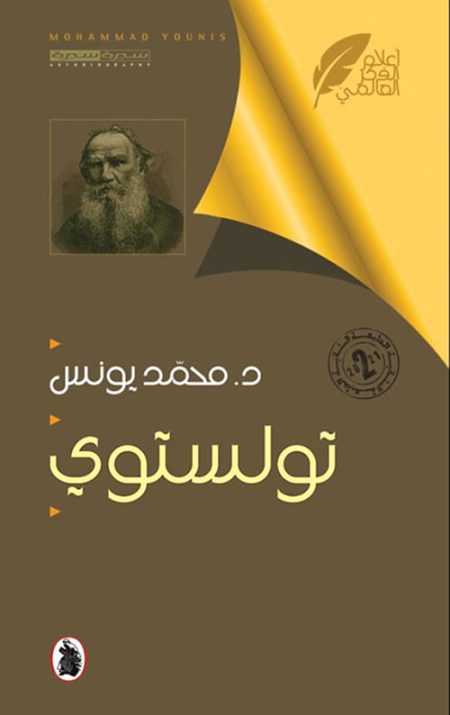
If we were to carefully examine the timeless literary masterpieces endorsed by human reason—from ancient times to the present—we would find that they are not numerous. Furthermore, the brilliant minds who created these works do not constitute a vast multitude; rather, their number is quite small. [Publisher’s Note: Tolstoy belonged to a family of Russian nobility. He was born near Moscow in 1828…] He was two years old when his father passed away—an event that occurred when he was nine. He later moved to Kazan, where he spent the remainder of his childhood and enrolled at the university to study Arabic and Turkish, aspiring to become a diplomat in the Arab world. He eventually shifted his focus to the study of law, but soon left the university to dedicate himself to managing the vast Yasnaya Polyana estate, which he had inherited from his family. Two years later, he moved to Moscow, then to Saint Petersburg, and subsequently to the Caucasus—a region whose mountainous landscapes captivated him. Tolstoy harbored a profound respect for Arab culture; from his childhood, he was enamored with the tales of *One Thousand and One Nights*. This interest in Arab literature later influenced his own work, most notably in his novella *The Kreutzer Sonata*. The final thirty years of his long life were marked by intense turmoil, as his personal ideals clashed with the traditions of his family. Ultimately, he chose to flee his home, his family, and the life of luxury he had known. He died of exposure to the cold at a railway station in the village of Astapovo in late 1910.


Reviews
There are no reviews yet.