
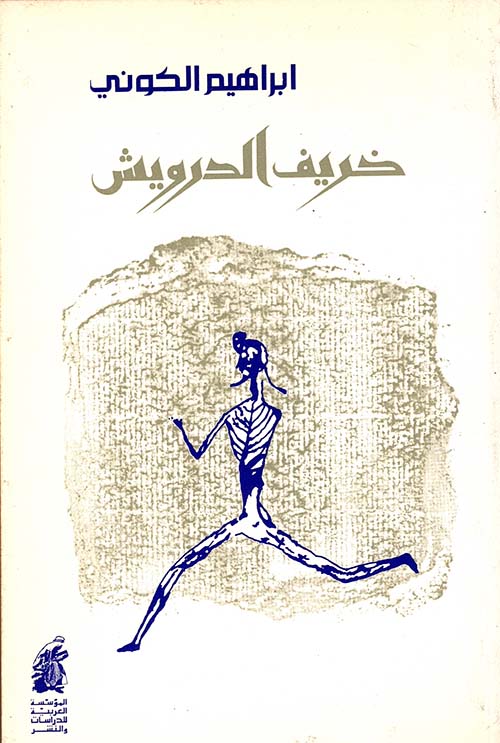
Description
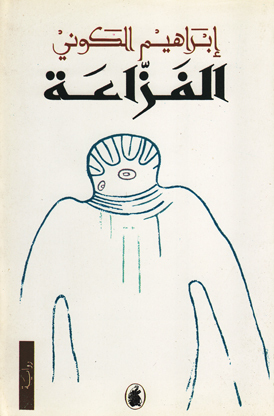
He arrived early at the Leader’s tent. He coughed twice at the entrance but received no reply. Pushing aside the tent flap, he poked his head inside; darkness, desolation, and silence reigned within. He circled the tent. Outside, he stumbled against a peg, staggered, shook a threatening finger at the stake, and continued on his way. He found the tent encircled by a ring of emptiness, desolation, and silence on the outside as well. He gazed out at the desert. The open expanse stretched before him—expanding, multiplying, and multiplying—until it merged with the arc of the horizon. It did not halt at that harsh distance—that invisible barrier marking the boundary between sky and desert—but continued to stretch along the taut arc, anchored at both ends to the circle… The desert exhaled a cold breath, and a messenger arrived from the Kingdom of the North. Pale valley grasses greeted him with a mournful dance; the *ratam* shrubs swayed, revealing to the messenger wisps of foliage that had withered, drooped, and fallen away. The defiant *talh* tree, however, did not stagger like the grasses nor sway with the *ratam’s* submissiveness; instead, it engaged the Northern messenger with a melancholic song—a melody that all creatures delight to hear. It answered the prophecy by declaring that the succession of seasons was of no concern to it, and that the natural law—whereby days follow one another and conditions shift—was merely a curse befalling those who had severed ties and chosen a life of seclusion.
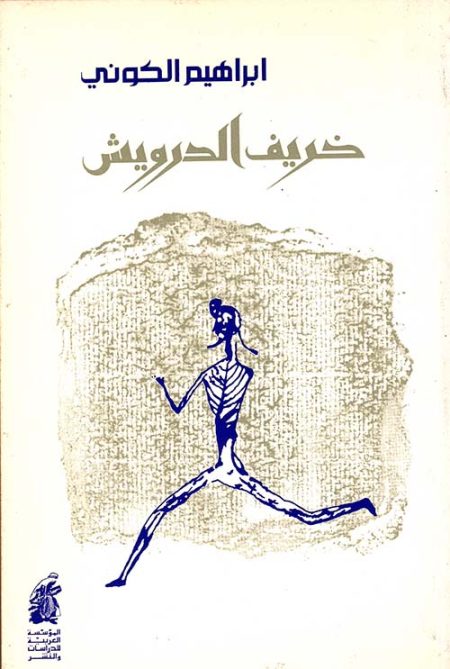
Ibrahim Al-Koni’s visions proliferate just as silence proliferates in the desert—a desert that forever fortifies him, planting within him images and ideas that flow across the vast expanse stretching between reality and imagination. The narrative of his novel *The Dervish’s Autumn* flows seamlessly, painting a magnificent portrait of the desert’s atmosphere and nature. Through evocative language and imagery, it transports the reader into a realm of myth and fantasy—a storytelling landscape where one can wander freely, delighting in the creative brilliance of Ibrahim al-Koni.

Reviews
There are no reviews yet.